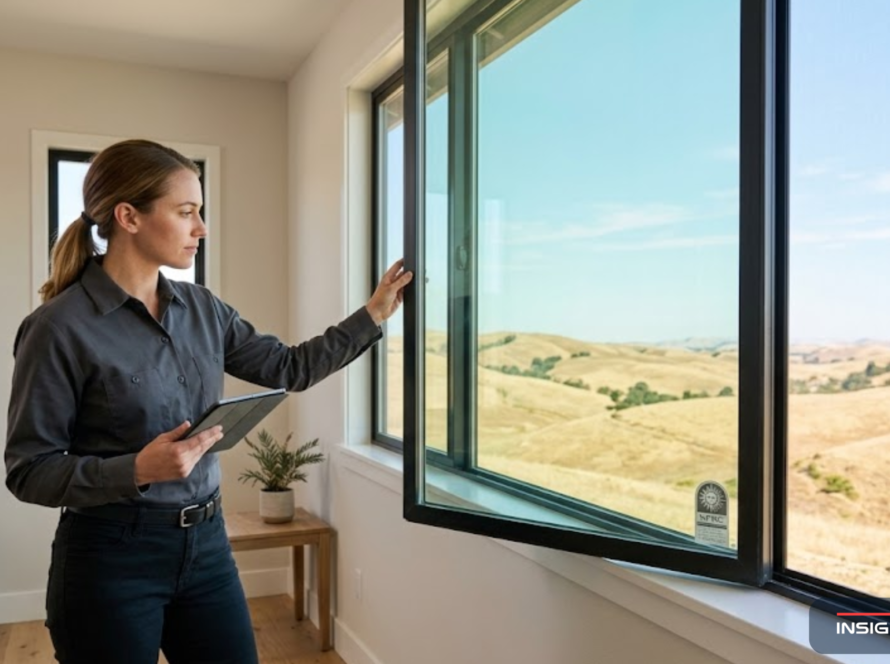

Marine glass windows bring boat-grade durability to coastal homes, using engineering principles from yacht construction to protect Bay Area properties from relentless Pacific fog, salt spray, and moisture that destroys traditional wood-framed windows within years
When Your Home Faces the Same Conditions as a Sailboat
Homes perched along Marin’s coastline, Pacifica’s cliffs, or Half Moon Bay’s bluffs endure environmental assaults comparable to those of ocean-going vessels. The same Pacific fog that shrouds the Golden Gate carries salt particles that corrode metal, rot wood, and degrade standard building materials. Marine glass windows—designed using principles from boat windows—offer the only practical solution for properties that face constant moisture, salt air, and UV exposure, defining Bay Area coastal living.
The term “marine layer” understates the challenge. This isn’t occasional fog but a daily bombardment of salt-laden moisture that penetrates wood grain, corrodes hardware, and breaks down protective finishes. Traditional wood windows in these locations require constant maintenance and still fail prematurely. Marine-grade engineering applies decades of nautical innovation to residential installations, creating windows that withstand conditions wood cannot survive.
Why Wood Fails in Pacific Fog Conditions
Wood’s vulnerability in marine environments is well documented by centuries of shipbuilding. The material absorbs moisture, swells, contracts, and eventually rots. In Marin County, homes facing Pacific exposure experience this degradation faster than anywhere else in California.
Comparisons of fiberglass windows vs. wood reveal stark performance differences in coastal settings. Wood absorbs moisture from fog even without rain. The Bay Area’s diurnal cycle—foggy mornings, sunny afternoons—creates constant expansion and contraction that cracks paint, breaks seals, and opens grain to deeper moisture penetration. Within 3-5 years, coastal wood windows show rot in the bottom rails, corner joints, and other areas where water accumulates.
Repainting temporarily extends the life of wood windows, but protective coatings degrade quickly in UV-intense coastal environments. Salt spray accelerates paint breakdown. The maintenance cycle becomes relentless: scrape, sand, prime, paint every 2-3 years just to slow inevitable decay.
How Marine Engineering Solves Residential Coastal Challenges
Marine glass windows for homes borrow technology proven on yachts and commercial vessels. These applications face 24/7 exposure to saltwater, extreme UV, and structural stress that make residential conditions look gentle by comparison. Materials that survive ocean service excel in coastal home installations.
Fiberglass frame construction eliminates wood’s fundamental weakness—moisture absorption. The material is essentially impervious to water. It won’t rot, swell, or degrade from continuous exposure to fog. Coastal homeowners install fiberglass windows and forget about them, rather than planning for biennial maintenance.
High-quality fiberglass formulations resist UV degradation, unlike early composites. Modern marine-grade fiberglass uses UV stabilizers throughout the material, not just surface coatings. When coatings eventually fade, the underlying material maintains structural integrity and appearance.
Material Science: Why Fiberglass Outperforms in Salt Air
The fiberglass windows vs wood debate centers on fundamental material properties. Fiberglass is a composite material—glass fibers embedded in a resin matrix. This construction creates exceptional strength-to-weight ratios and dimensional stability that wood cannot match.
Coefficient of thermal expansion—how much materials grow or shrink with temperature changes—matters tremendously in coastal climates. Wood expands and contracts significantly with fluctuations in moisture and temperature. Fiberglass remains dimensionally stable across the Bay Area’s temperature range, maintaining seal integrity and preventing the air leaks that compromise energy efficiency.
Salt spray-resistant windows require materials that don’t provide pathways for salt penetration. Wood grain acts like capillary tubes, drawing saltwater deep into the material, where it causes internal damage that is invisible from the outside. Fiberglass has no grain structure—it’s a homogeneous material that salt cannot penetrate.
Marin County’s Unique Window Challenges
Marin window glass installations face California’s most demanding coastal conditions. Properties from Stinson Beach to Bolinas, Muir Beach to Point Reyes experience weather that combines Pacific Ocean exposure with San Francisco Bay winds funneling through the Golden Gate.
This convergence creates microclimate extremes. Morning fog saturates everything with salt-laden moisture. Afternoon sun bakes that moisture into surfaces. Evening winds return with more salt spray. This daily cycle repeats 200+ times each year, creating conditions that no interior California location experiences.
Traditional window materials fail predictably in these environments. Wood rots. Aluminum corrodes. Vinyl becomes brittle from UV exposure. Only marine-grade materials engineered for harsh exposure survive Marin’s coastal assault.
Glass Technology Adapted from Marine Applications
While frames matter tremendously, the glass itself requires marine-grade specifications for coastal performance. Boat windows use tempered or laminated glass that withstands impact and maintains clarity despite salt spray and UV exposure.
Tempered glass—heat-treated for strength—resists breakage from windborne debris common during coastal storms. When tempered glass does break, it shatters into small granules rather than dangerous shards. This safety feature matters in exposed locations where storm damage risks increase.
Laminated glass bonds multiple glass layers with polymer interlayers, creating impact resistance and UV filtering. The interlayer blocks UV radiation that fades furnishings while maintaining visible light transmission. For homes with valuable interiors facing Pacific views, laminated glass protects investments.
Low-E coatings engineered for marine environments must bond permanently to glass surfaces. Salt spray degrades inferior coatings, but marine-grade Low-E formulations resist corrosive attack while maintaining thermal performance. These coatings reflect infrared energy, reducing heat gain from afternoon sun while keeping interior glass surfaces warmer to prevent condensation.
Hardware and Seal Requirements for Marine Exposure
Marine glass windows require hardware engineered to the same standards as frames and glass. Stainless steel—specifically 316 marine-grade stainless—resists corrosion in salt-fog environments, whereas standard stainless steel rusts within months.
Hinges, locks, operators, and fasteners must all be made of marine-grade materials. The weakest component determines system longevity. Premium fiberglass windows with standard hardware fail prematurely when locks corrode or hinges seize from salt damage.
Glazing seals face unique challenges in coastal installations. Standard silicone sealants degrade from UV and salt exposure. Marine-grade polyurethane or specialized silicones formulated for saltwater exposure maintain flexibility and adhesion despite harsh conditions. These materials cost more but deliver the multi-decade performance coastal locations demand.
Installation Considerations for Maximum Coastal Performance
Proper installation determines whether salt spray-resistant windows deliver their potential lifespan. Flashing details must be executed perfectly—no gaps where salt-laden moisture can penetrate behind frames. Water intrusion in coastal environments can cause rapid damage that might not appear for years in protected locations.
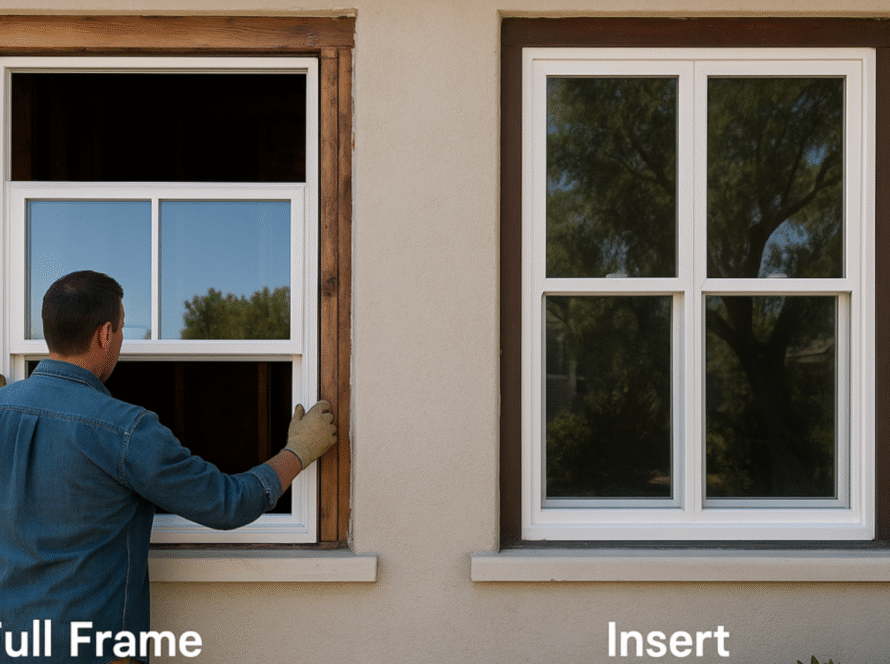
A qualified window installation contractor experienced with marine conditions understands critical installation details. Sealant selection, flashing sequences, and drainage plane integration require expertise beyond standard window installation.
For new construction windows installation in coastal locations, specifying marine-grade materials and installation methods from the design phase prevents costly failures. Builders working in Marin, Pacifica, and other exposed areas should default to fiberglass and marine-grade components rather than treating them as upgrades.
Long-Term Value in Harsh Coastal Environments
Marine glass windows cost 30-50% more than standard windows, but this premium disappears when maintenance and replacement cycles are factored in. Wood windows requiring repainting every 3 years plus replacement at 15 years cost more over 30 years than maintenance-free fiberglass lasting 40+ years.
Energy performance remains stable with fiberglass frames. Wood’s dimensional changes from moisture cycling compromise seals and create air leaks. These inefficiencies compound over decades, increasing heating and cooling costs while reducing comfort.
Protect Your Coastal Investment with Marine-Grade Solutions
Bay Area coastal properties deserve windows engineered for the environment. The Pacific’s relentless assault on building materials demands marine-grade solutions that wood simply cannot provide.
Ready to upgrade to windows built for coastal durability? Consult experienced window replacement experts who understand marine-grade requirements. Insight Glass has installed thousands of coastal windows throughout Marin, San Mateo County, and San Francisco’s ocean-facing neighborhoods.
Our team specifies fiberglass frames and marine-grade glass for properties in areas with Pacific fog and salt spray. We understand which materials survive coastal conditions and which fail despite manufacturer claims. Let us assess your specific exposure and recommend solutions that protect your investment for decades.
Contact us to discuss marine-grade window solutions for your Bay Area coastal home. Stop fighting wood rot and corrosion—install windows engineered to withstand everything the Pacific throws at them.
Since 1987, Insight Glass has provided top-quality windows replacement or installation in the Bay Area.
Call 707-746-6571 for Expert Installation!
CONTACT US TO GET A FREE ESTIMATE!