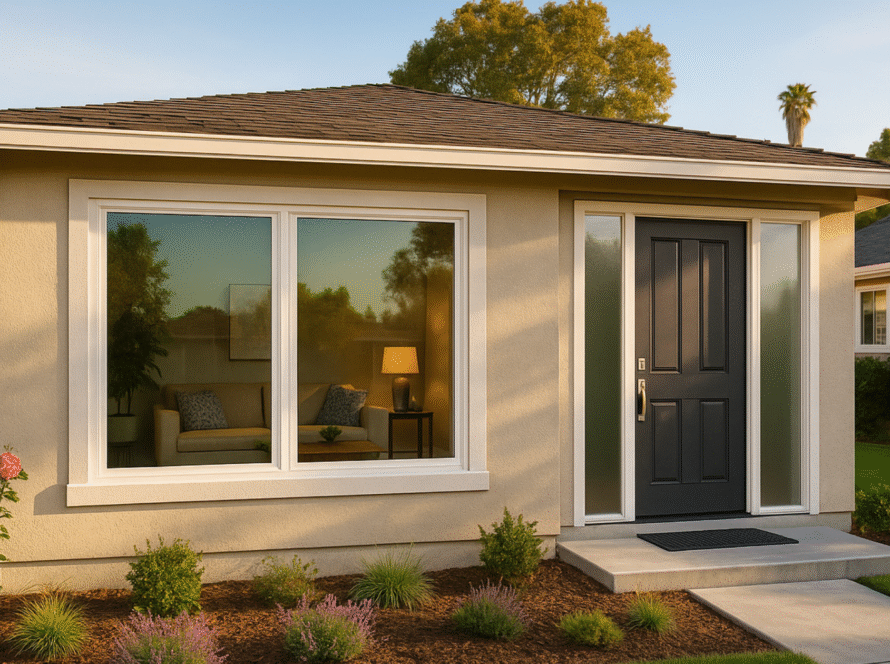

Bird safe windows use visible patterns, films, or specialized glass that birds can detect, preventing the estimated billion birds killed annually in North America from striking transparent or reflective surfaces they mistake for open sky
Why Bay Area Buildings Need Bird-Friendly Solutions
The Bay Area’s glass architecture creates stunning views of the Golden Gate Bridge, San Francisco skyline, and coastal mountains. But these same windows pose deadly risks to migratory birds traveling the Pacific Flyway. Bird safe windows are no longer optional in many Bay Area cities—they’re now required by law.
Birds colliding with windows are among the largest human-caused sources of bird mortality. The American Bird Conservancy estimates that up to a billion birds die from window strikes annually in North America. The Bay Area lies along migration routes used by hundreds of species traveling between breeding grounds in Alaska and wintering habitats in Central America.
The good news? Bird-friendly glass technology has advanced dramatically. Modern solutions prevent birds from striking glass without compromising views, natural light, or architectural design. As cities like Palo Alto adopt bird-friendly building requirements, understanding these technologies becomes essential for homeowners and developers.
Understanding the Palo Alto Bird-Friendly Design Ordinance
The Palo Alto bird-friendly design ordinance reflects California’s growing recognition of window-collision hazards. Passed to protect birds in one of the Bay Area’s most development-active cities, the ordinance requires bird-safe treatments on new construction and major renovations.
The ordinance focuses on high-risk locations: buildings near parks, water features, or open space; structures with green roofs that attract birds; and buildings with transparent corners or walkways where birds perceive flight paths. Any building meeting these criteria must incorporate bird-safe design elements.
Compliance requires following the “2×2 rule”—patterns or markings spaced no more than 2 inches apart horizontally and vertically. This spacing deters birds from attempting to fly through what appears to be open space. Smaller patterns protect even tiny species like hummingbirds that might try squeezing through larger gaps.
Other Bay Area jurisdictions are closely watching Palo Alto’s implementation. San Francisco’s green building codes already reference bird-friendly design in certain contexts. As awareness grows, expect more cities to adopt similar requirements.
How Birds Perceive Glass Windows
Birds collide with windows for two main reasons: reflection and transparency. Reflective glass windows mirror sky, trees, or landscape, creating the illusion of habitat. Birds fly toward these reflections, not recognizing the solid barrier.
Transparent glass poses different risks. Corner windows, glass railings, or walkways connecting buildings create sight lines through structures. Birds perceive clear flight paths and attempt to fly through. Even slight changes in angle or lighting can make glass that was previously visible to birds suddenly invisible.
Lights at night compound these problems. Artificial lighting disorients migrating birds, especially during foggy conditions common along the Bay Area coast. Disoriented birds circle lit buildings repeatedly, exhausting themselves or striking windows.
Understanding these perception issues guides effective solutions. Treatments must work from the bird’s perspective, not just human aesthetics.
Bird-Friendly Glass Technologies That Work
Several proven technologies reduce bird collisions without sacrificing building performance.
Fritted glass features ceramic dots, lines, or patterns baked onto the surface during manufacturing. These patterns break up reflections while maintaining views from inside. Spacing follows the 2×2 rule for maximum protection. Fritted glass works well for new construction, where it’s specified from the design phase.
UV-reflective coatings appear invisible to humans but glow to birds, which see ultraviolet light. These coatings signal barriers that birds recognize and avoid. The technology keeps views clear while providing protection visible to birds.
Etched or acid-etched glass creates permanent surface patterns that eliminate reflections. While more visible to humans than some alternatives, etched glass offers durability and zero maintenance—the pattern can’t peel or fade.
External films and tapes provide retrofit solutions for existing windows. Applied to exterior surfaces, these products use patterns, dots, or stripes that break up reflections. The key is exterior application—internal treatments don’t eliminate reflection from outside.
Solutions for Bay Area Homes
Residential properties are a significant source of bird strikes, especially homes backing onto open space, near water, or with native landscaping that attracts birds. Several practical options help homeowners prevent birds from hitting windows.
Window screens installed 3 inches from the glass allow birds to bounce off harmlessly if they strike the screen. The gap prevents birds from hitting the hard glass surface with enough force to cause injury. This works well for frequently opened windows where films might not be practical.
Exterior shutters or awnings reduce reflections by shading glass or changing angles. In the Bay Area’s mild climate, operable shutters add architectural character while protecting birds and controlling solar heat gain.
Decorative patterns made with tempera paint, soap, or specialized markers provide temporary seasonal protection during peak migration. Many homeowners apply patterns in spring and fall, when migration activity peaks, and remove them during other seasons.
The most effective residential approach combines strategies. Treat high-risk windows facing greenery or water first. Add whole-house solutions during window replacement projects.
Commercial Applications and Building Standards
Bird collisions at commercial buildings occur most frequently in ground-floor retail areas, transparent lobbies, and reflective curtain walls. The Bay Area’s tech campuses, with extensive glazing surrounded by landscaped grounds, represent particularly high-risk environments.
The collisions program, led by organizations like Golden Gate Audubon, provides data showing where Bay Area buildings cause the most strikes. This research informs both building design standards and retrofit priorities.
Green building certification programs now include bird-safe design credits. LEED, Living Building Challenge, and other frameworks recognize that truly sustainable buildings must protect wildlife. Forward-thinking developers view bird-friendly glass not as a regulatory burden but as responsible design.
Choosing the Right Solution for Your Project
Selecting safe window treatments depends on building use, budget, and aesthetic goals. New construction offers the most options since bird-friendly glass can be specified from the start. The incremental cost over standard glass is minimal—often just 5-10% more.
Retrofit projects require different approaches. Films, screens, or external attachments work well but need professional installation to ensure proper coverage and durability. A qualified window installation contractor familiar with bird-safe products can assess your building and recommend appropriate solutions.
Consider maintenance requirements. Some films require replacement every 7-10 years. Permanent solutions like fritted or etched glass last the life of the window. Factor these lifecycle costs into decisions.
Protect Birds While Preserving Your Views
Bay Area property owners have both the opportunity and the responsibility to reduce the number of birds killed by window collisions. With proven technologies and growing regulatory requirements, bird-safe design is becoming standard practice.
Ready to make your windows bird-friendly? Work with experienced bird proof windows installers who understand both protection technologies and local ordinances. Insight Glass helps Bay Area homeowners and commercial property owners select and install bird-safe solutions that meet Palo Alto requirements and other jurisdictions’ emerging standards.
Our window replacement experts can incorporate bird-friendly features into new window installations or retrofit existing glass with protective treatments. We’ll explain your options, show samples of different patterns and technologies, and ensure proper installation that protects birds without compromising your building’s appearance or performance.
Contact us for a consultation on bird-safe window solutions. Together, we can create Bay Area buildings that showcase our stunning landscape while protecting the wildlife that makes this region special.
Since 1987, Insight Glass has provided top-quality windows replacement or installation in the Bay Area.
Call 707-746-6571 for Expert Installation!
CONTACT US TO GET A FREE ESTIMATE!