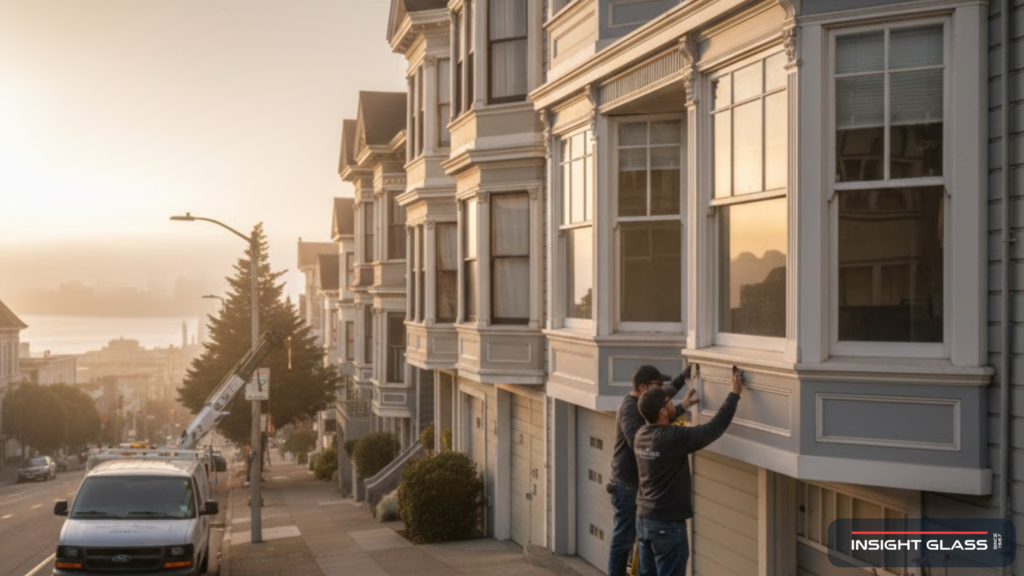
No window style is more closely identified with San Francisco than the bay window. Walk through any neighborhood in the city, from the painted Victorians of Alamo Square to the Edwardian flats lining the avenues of the Richmond and Sunset Districts, and bay windows are everywhere. They project outward from the facade, catch light from multiple directions, and create the distinctive rhythm of depth and shadow that gives San Francisco’s streetscapes their visual character. For homeowners thinking about upgrading or restoring these iconic features, understanding the bay window cost installation factors specific to San Francisco is essential to making an informed decision.
What Makes Bay Windows So Valuable in San Francisco
San Francisco’s residential lots are famously narrow, with many row houses sitting on parcels just 25 feet wide. Interior space is limited, and natural light can be scarce, especially on the middle floors of multi-story homes. Bay windows solve both problems simultaneously. By projecting outward from the exterior wall, they create additional interior square footage without expanding the building’s footprint. The angled side windows capture light from directions that a flat window simply cannot reach, flooding living rooms, dining areas, and bedrooms with daylight even on foggy mornings.
Beyond function, bay windows can add tremendous curb appeal. Among the many window styles found in the city, bay windows are a defining feature of Victorian and Edwardian architecture, and in a city where these styles dominate the housing stock, a well-maintained or properly restored bay window is both an aesthetic asset and a contributor to property value. Conversely, a deteriorated or poorly replaced bay window can detract from the appearance of the entire facade and, in historic districts, may draw scrutiny from the San Francisco Planning Department.
Restoration Versus Full Replacement
One of the first decisions San Francisco homeowners face is whether to restore existing bay windows or replace them entirely. The right choice depends on the condition of the current windows, the home’s historic classification, and the homeowner’s budget.
Restoration typically involves repairing the existing wood frames, replacing failed glazing, adding weatherstripping, and refinishing the exterior. This approach preserves the original window design and is often the preferred or required option in designated historic districts. Restoration costs for a single bay window unit in San Francisco generally range from $1,500 to $4,000, depending on the extent of wood repair and the number of individual sashes. For homes with Category A or B historic designations, the Planning Department may require that replacement materials and profiles match the originals as closely as possible, making restoration the more straightforward path to permit approval.
Full replacement is the better option when the existing frames are beyond repair, significant energy performance improvements are needed, or the homeowner is renovating a non-historic property and wants to upgrade to modern materials and glass technology. A standard three-panel bay window replacement in San Francisco typically costs between $3,500 and $7,000 installed, while larger or custom configurations with five panels or structural modifications can range from $7,500 to $12,000 or more. These figures reflect the higher labor costs associated with working in the city, including permitting, scaffolding for upper-story installations, and the careful finish work that San Francisco homes demand.
Bay Window Cost Factors to Consider
Several variables influence the total cost of a bay window for a San Francisco project. Understanding these factors helps homeowners budget accurately and avoid surprises.
Frame material is one of the most significant cost drivers. Vinyl frames are the most cost-effective option, typically starting around $1,000 to $2,500 for materials alone. They require minimal maintenance and insulate well, but their thicker profiles and limited color options may not be appropriate for historic homes. Wood frames offer the traditional appearance that San Francisco’s older homes require and allow for the slim sightlines and detailed profiles that match original millwork, but they cost more, ranging from $3,000 to $6,000 per unit for materials. Fiberglass frames sit between the two, offering good thermal performance, a slimmer profile than vinyl, and strong durability against the city’s marine climate.
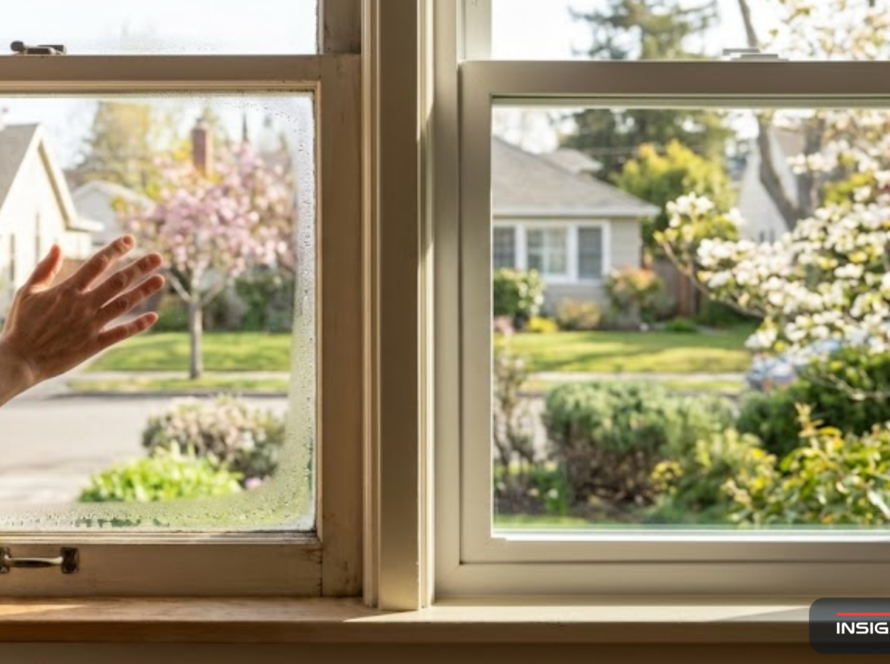
Glass selection also affects the total cost of installing a bay window. Dual-pane Low-E glass with argon fill is the current standard for meeting California Title 24 energy requirements and is included in most mid-range quotes. Homeowners who want additional sound reduction, which is common along busy San Francisco corridors, can upgrade to laminated or triple-pane glass for an additional $300 to $800 per window opening. These energy-efficient glass options reduce heat transfer, lower utility bills, and protect interiors from UV fading.
Window size and configuration matter as well. A standard three-panel bay window with a fixed center picture window flanked by operable side windows is the most common layout. Custom sizes, additional panels, or sharper angles that follow the geometry of an angled facade will increase both material and labor costs. The window design itself, whether the side windows are casement, double-hung, or fixed, also affects pricing and functionality.
Labor costs in San Francisco are higher than national averages. Installation typically accounts for 40 to 60 percent of the total project cost. For replacement projects using an existing opening, labor costs generally range from $1,500 to $3,000 per bay unit. For new installations that require cutting into the exterior wall, adding structural headers, and framing a new bay projection, labor can reach $4,000 to $6,000 or more. Upper-story installations that require scaffolding or specialized access add further to the total.
Navigating San Francisco’s Planning Requirements
For homeowners in historic districts or properties with individual landmark status, the Planning Department reviews window replacement projects to ensure they are consistent with the building’s architectural character. The city’s Standards and Recommendations for Window Replacement encourage in-kind replacement, meaning new windows should match the originals in materials, operation, profiles, and configurations.
This does not necessarily mean that every bay window replacement must use wood. In some cases, alternative materials that closely replicate the appearance and proportions of the original windows may be accepted. However, the permit review process requires documentation of the existing conditions and a clear explanation of why the proposed replacement is appropriate. Working with a window company experienced in San Francisco’s planning process can save significant time and frustration.
At Insight Glass, we regularly work with San Francisco homeowners and the Planning Department to ensure that bay window projects meet both code requirements and historic preservation standards. We handle documentation, material selection, and installation with the level of detail and precision required by the city’s review process.
Bay Versus Bow Windows
Homeowners sometimes ask about the difference between bay and bow windows. A bay window typically has three panels set at sharper angles, usually 30 or 45 degrees, creating a more pronounced projection. A bow window uses four or more panels arranged in a gentle curve. In San Francisco, bay windows are far more common because they fit the established architectural vocabulary of the city’s Victorian and Edwardian housing stock. Bow windows appear occasionally in mid-century or contemporary homes, but are less typical of the traditional San Francisco streetscape.
From a cost perspective, bow windows generally cost more than bay windows due to the additional panels and the curved framing required. A bow window installation in the Bay Area typically runs 15 to 25 percent higher than a comparable bay window project.
Customization Options and Final Considerations
Modern bay windows offer a range of customization options that let homeowners tailor them to their specific needs. Interior window seats, built-in shelving, or cushioned reading nooks are popular ways to use the additional space created by the bay projection. Exterior details such as decorative brackets, copper roofing over the bay, and detailed trim work can restore or enhance the architectural character of a Victorian or Edwardian facade.
When evaluating the cost of installing a bay window in your San Francisco home, consider the long-term benefits. A high-quality bay window that matches the home’s architecture, meets energy codes, and is installed correctly will add value to the property, reduce energy costs over time, and preserve one of the features that makes San Francisco’s neighborhoods so distinctive.
If you are considering a bay window project in San Francisco, Insight Glass is here to help. We bring deep experience with the city’s architectural styles, planning requirements, and installation challenges, and we are committed to delivering results that honor both the home and the neighborhood.
Since 1987, Insight Glass has provided top-quality windows replacement or installation in the Bay Area.
Call 707-746-6571 for Expert Installation!
CONTACT US TO GET A FREE ESTIMATE!Disclaimer: This article is for informational purposes only. Cost estimates are based on 2026 Bay Area market conditions and may vary by project. Always consult the San Francisco Planning Department and a qualified professional for guidance specific to your home.