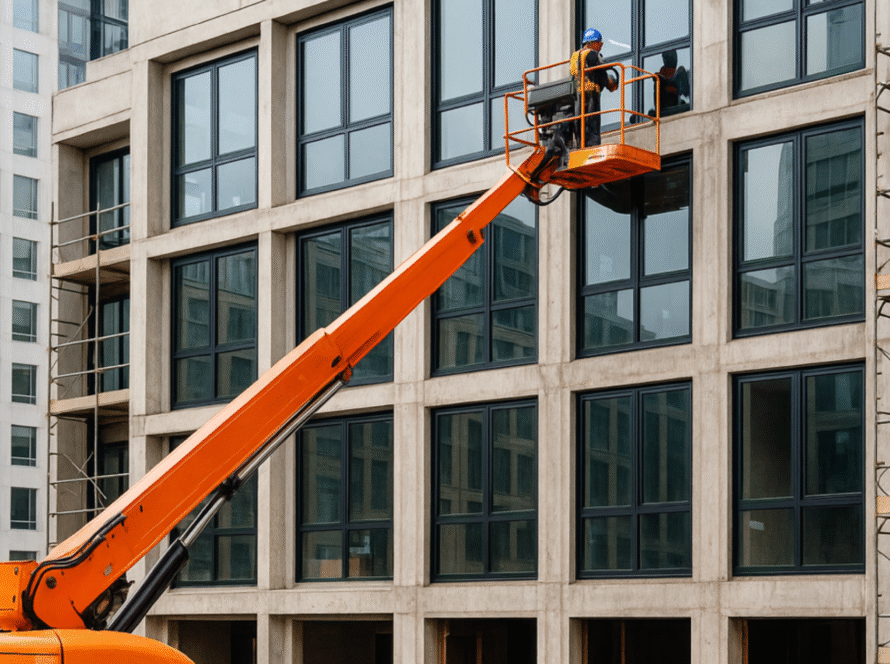

Understanding whether aluminum framed windows are fire rated is critical for Bay Area property owners—especially when building codes require specific fire protection levels for commercial and multi-family buildings.
Are aluminum framed windows fire rated? This question comes up frequently among Bay Area architects, contractors, and property owners planning commercial or multi-family residential projects. Aluminum frames are favored for their slim sightlines and sleek modern aesthetic, but there’s a persistent myth that because they’re metal, they’re automatically fireproof. This assumption can lead to dangerous code violations and costly replacement requirements.
Here’s the truth: Standard aluminum windows are not fire-rated. Aluminum melts at approximately 1,200°F (660°C), which is well below the temperature of a fully developed building fire that can reach 1,400-1,800°F or higher. However, specialized engineered aluminum systems do exist that can achieve fire ratings of 20 to 120 minutes through sophisticated internal construction.
This distinction matters tremendously for Bay Area construction projects where building codes require fire-rated windows on property lines, near escape routes, or in fire-resistive construction. Understanding the difference between standard and engineered fire-rated aluminum helps prevent costly mistakes during new-construction window installation.
This post explains why you cannot use off-the-shelf aluminum windows for fire safety applications and how specialized engineered systems overcome aluminum’s natural melting point to achieve legitimate fire ratings.
Why Standard Aluminum Fails in Fires
The science behind aluminum’s fire performance reveals why standard frames cannot provide fire protection despite being metal.
Low melting point represents aluminum’s fundamental limitation in fire conditions. Unlike steel, which maintains structural integrity until approximately 2,500°F, aluminum softens rapidly when exposed to fire. The material begins to lose strength around 600°F and completely melts at 1,200°F. Within minutes of exposure to fire, a standard aluminum window frame will lose its structural integrity and collapse.
This structural failure means the glass—regardless of type—falls out of the opening, creating a breach that allows fire, smoke, and oxygen to pass freely. The window assembly can no longer contain the fire or protect adjacent spaces.
Rapid heat transfer compounds the problem. Aluminum is an excellent thermal conductor, second only to copper among common building materials. Without specialized thermal protection, aluminum frames transfer extreme temperatures from the fire side to the protected side almost instantly. This heat conduction can ignite curtains, blinds, or other combustible materials on the supposedly safe side of the wall before flames even penetrate the glass.
Standard aluminum frames used in typical replacement window experts’ projects lack the engineering necessary to prevent these failure modes.
How Engineered Aluminum Achieves Fire Ratings
Sophisticated engineering allows specialized aluminum systems to achieve legitimate fire ratings while maintaining aluminum’s aesthetic advantages. Understanding this technology reveals why these systems differ fundamentally from standard windows.
The cooling core represents the key innovation. Fire-rated aluminum frames feature hollow profiles filled with specialized cement-like composite materials or advanced insulation. This core absorbs enormous thermal energy, keeping the aluminum skin cool enough to maintain its structural integrity and hold its shape throughout the rated fire duration.
The core’s thermal mass delays heat transfer, preventing the aluminum from reaching its critical softening temperature. While a standard hollow aluminum frame would collapse in minutes, these engineered profiles can withstand extreme temperatures for 60, 90, or even 120 minutes.
Intumescent seals provide the second critical component. Fire-rated aluminum frames incorporate hidden tapes or gaskets that expand dramatically when exposed to heat. These expanding seals fill gaps between the frame and fire-rated glass, blocking smoke and flame passage that would otherwise breach the fire barrier.
The intumescent material swells to many times its original size—sometimes 10 to 20 times—creating a tight, fire-resistant seal precisely when needed most. This active sealing mechanism prevents the thin gaps around glazing from becoming pathways for fire spread.
The system approach is mandatory for achieving fire ratings. A fire-rated aluminum frame must be paired with fire-rated glass—either ceramic glass or intumescent glass designed to withstand extreme heat. Simply installing fire-resistant glazing in a standard aluminum frame will fail because the frame melts away from the glass, breaching the window assembly.
Every component—frame, glass, seals, fasteners, and anchors—must be tested together as a complete system to achieve certification. This integrated testing ensures the entire window assembly maintains structural integrity and fire protection throughout the rated duration.
Standard Fire Ratings for Aluminum Windows
Fire ratings indicate how long the complete window assembly can resist fire penetration. Different applications require different levels of protection, based on building codes and fire protection requirements.
20- to 45-minute ratings typically apply to smoke barriers and corridor windows in office buildings, schools, or healthcare facilities. These moderate ratings provide adequate protection for interior applications where code authorities require fire ratings but where extreme fire exposure is less likely. The reduced rating allows for lighter, more cost-effective construction while still meeting building codes.
60 to 90-minute ratings represent the most common requirement for critical applications. Bay Area building codes require these ratings for lot-line windows—those facing neighboring properties where fire could spread from building to building. Stairwell enclosures, exit corridors, and fire-rated separations between occupancies also typically demand 60 to 90-minute protection, balancing safety requirements with practical construction considerations.
120-minute ratings remain rare for aluminum systems, but they are achievable with heavy-duty insulated cores in high-risk containment areas. Specialized applications like chemical plants, data centers, or buildings with extremely high occupancy loads sometimes require this extended fire protection. The engineering and material costs increase substantially for these extreme ratings.
Identification: How to Spot Fire-Rated Aluminum Windows
Distinguishing fire-rated aluminum windows from standard frames prevents dangerous assumptions about fire protection.
The permanent label provides definitive identification. Every fire-rated window must display a permanent label—usually etched on the glass or stamped on a metal tag attached to the frame—stating the testing standard (such as UL 10C, ASTM E119, or NFRC) and the specific rating achieved. This label includes the testing laboratory’s certification mark and identifies the manufacturer.
If you cannot locate this permanent marking, the window is almost certainly not fire-rated, regardless of appearance or materials. Codes require this labeling precisely so building inspectors and future owners can verify fire protection.
The profile’s appearance often reveals the presence of engineered aluminum frames. Fire-rated systems typically feature bulkier frame profiles than standard residential slimline aluminum windows. The additional depth accommodates the internal insulation core and intumescent seals necessary for fire protection.
While modern engineering has reduced this bulk compared to older systems, fire-rated aluminum still appears noticeably more substantial than decorative storefront framing. The added material isn’t aesthetic—it’s functional fire protection.
Common Fire-Rated Aluminum Window Questions
Can I retrofit my existing aluminum windows to be fire-rated?
No. Fire-rated assemblies undergo testing as complete integrated units—frame, glass, seals, and anchors together. You cannot simply add fire-resistant glass to an existing standard aluminum frame and claim fire protection. The frame itself must be engineered explicitly for fire resistance with internal cores and intumescent seals. Retrofitting requires complete window replacement with certified fire-rated systems installed by a qualified fire-rated window installer.
Is steel better than aluminum for fire ratings?
Steel offers naturally superior heat resistance with a much higher melting point than aluminum. However, modern engineered aluminum can match steel’s fire performance—achieving 90 minutes or more—while offering distinct advantages. Aluminum provides a cleaner, rust-free aesthetic that matches other contemporary storefront systems standard in Bay Area commercial architecture. The choice between steel and engineered aluminum often comes down to aesthetic preference and system compatibility rather than pure fire performance.
Do aluminum windows burn?
Aluminum itself does not burn or act as fuel for fires. The material is non-combustible, meaning it won’t contribute to fire spreading the way wood framing would. However, aluminum fails structurally because it melts at relatively low temperatures, which are not typical in fire conditions. This melting breaches the fire barrier by allowing the glass to fall out, creating an opening for fire, smoke, and heat to pass through freely.
Making Informed Fire Safety Decisions
While standard aluminum offers no inherent fire protection and should never be specified where codes require fire ratings, specialized engineered aluminum systems provide a sleek, modern alternative to traditional, bulky steel fire windows. These systems achieve legitimate fire ratings through sophisticated internal engineering while maintaining the clean aesthetic lines that make aluminum attractive for commercial and multi-family projects.
Bay Area property owners and architects must verify fire protection requirements early in the design process. If your building plans call for 60-minute or 90-minute fire ratings at property lines or exit routes, ensure you specify certified fire-rated aluminum systems, not just standard architectural glazing. The cost difference is substantial, but so are the safety and code compliance implications.
For expert guidance on fire-rated aluminum window systems in the Bay Area, consult with Insight Glass. As the best window installation contractor serving San Francisco and the surrounding commercial markets, we understand California fire safety codes. We can help you navigate the critical differences between standard and fire-rated aluminum systems. Whether you’re planning commercial construction, multi-family development, or renovation projects requiring fire protection, our team provides the expertise and certified products your project demands. Contact Insight Glass today for a professional consultation on fire-rated window solutions for your Bay Area property.
Since 1987, Insight Glass has provided top-quality windows installation in the Bay Area.
Call 707-746-6571 for Expert Installation!
CONTACT US TO GET A FREE ESTIMATE!