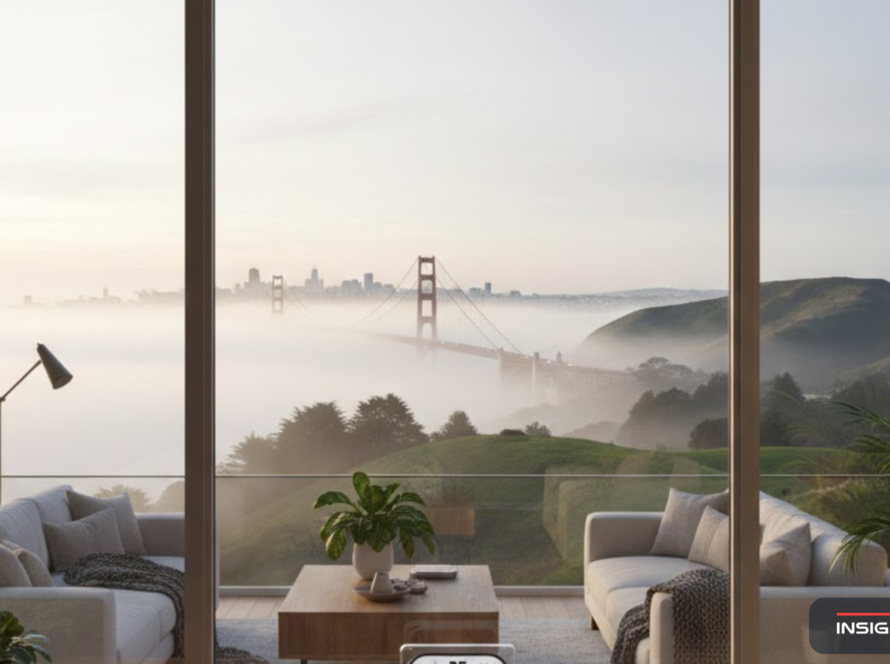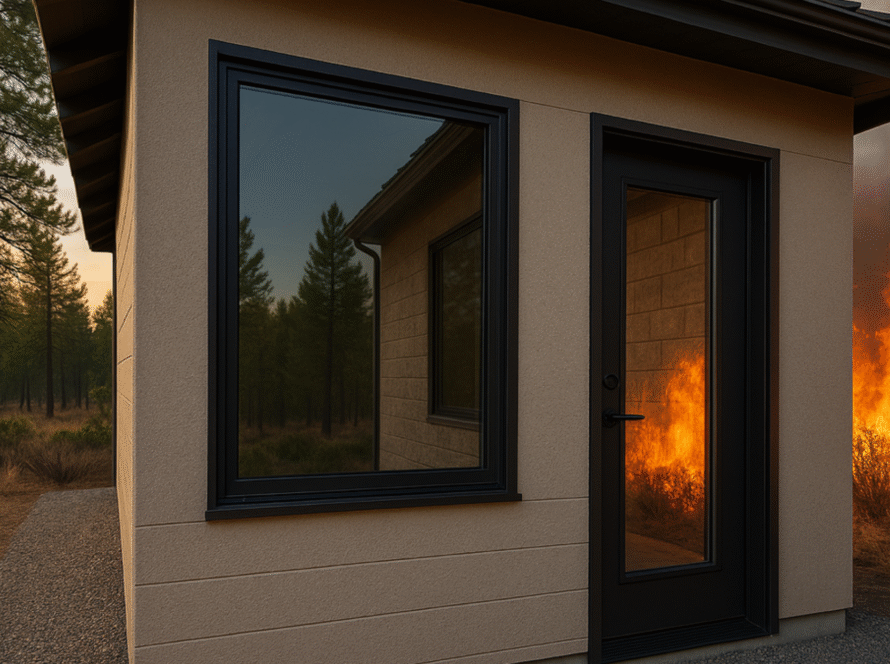

Fiberglass replacement windows solve the persistent corrosion and seal failure problems that plague Bay Area coastal homes, using composite technology engineered to withstand relentless salt fog without the rot, warping, or maintenance demands of traditional materials
The Coastal Challenge Traditional Windows Cannot Survive.
Fiberglass replacement windows represent the most durable solution for San Francisco Bay Area homes facing daily assault from salt-laden coastal fog. From Pacifica’s ocean-front properties to Sausalito’s bayfront communities, homeowners discover that standard window materials fail prematurely in marine environments. Wood rots within a decade, vinyl becomes brittle from UV exposure, and aluminum corrodes despite protective coatings. Fiberglass windows eliminate these failure modes entirely through composite construction impervious to moisture, salt, and temperature extremes.
The Bay Area’s unique coastal conditions create perfect storms for window degradation. Morning fog deposits salt on every surface. Midday sun heats frames and glass, driving moisture deeper into vulnerable materials. Evening fog returns with more salt. This relentless cycle—repeated 200+ days each year—destroys conventional windows faster than in any other California climate.
Understanding Marine-Grade Window Frame Construction
Marine-grade window frames employ glass fiber reinforcement embedded in resin matrices, creating composites with exceptional strength and complete immunity to moisture damage. Unlike wood, which absorbs water, or metals, which corrode, fiberglass maintains structural integrity regardless of salt exposure or humidity levels.
The manufacturing process pultrudes continuous glass fibers through resin baths, then cures the composite under controlled heat and pressure. This creates hollow profiles with reinforced walls that match wood’s strength while weighing significantly less. The hollow chambers accommodate insulation, improving thermal performance beyond what solid materials achieve.
Factory-applied finishes create durable finish surfaces that resist UV degradation, salt spray, and mechanical abrasion. These finishes penetrate the composite rather than simply coating surfaces, preventing the peeling and flaking that plagues painted wood or coated aluminum. When finishes eventually fade after 15-20 years, the underlying fiberglass maintains appearance and structural integrity.
Thermal Expansion and Seal Failure Prevention
Thermal expansion and seal failure destroy insulated glass units in coastal environments faster than anywhere else in California. Temperature swings—cool foggy mornings to warm sunny afternoons—stress window components through expansion and contraction cycles. Different materials expand at different rates, creating stress that breaks seals and causes glass unit failures.
Fiberglass’s coefficient of thermal expansion closely matches that of glass. When temperatures change, the frame and glass expand or contract together rather than fighting each other. This compatibility dramatically extends seal life—fiberglass installations from the 1990s maintain their original seals, while wood or aluminum windows from the same era typically require multiple glass-unit replacements.
Maintained seals prevent the insulating gas from escaping between glass panes. Argon or krypton gases provide superior insulation compared to air, but only when seals remain intact. Fiberglass windows protect these fills throughout decades of service, maintaining energy-efficient performance that deteriorating seals cannot match.
Corrosion Resistance in Salt Air Environments
Salt air causes electrochemical corrosion of metal components, which fiberglass completely avoids. Aluminum frames develop surface pitting even with protective coatings. Steel hardware rusts. Bronze and brass tarnish. These degradation processes accelerate in Bay Area coastal zones, where salt concentrations remain high year-round.
Fiberglass neither corrodes nor supports corrosion in adjacent materials. The composite’s chemical stability means it doesn’t react with salt, acids, or alkaline compounds. Hardware mounted to fiberglass frames lasts longer than identical hardware on metal frames because galvanic corrosion—accelerated deterioration when dissimilar metals contact—cannot occur with non-conductive fiberglass.
This corrosion immunity matters tremendously for Bay Area coastal home upgrades. Replacing corroded aluminum or rotted wood windows with fiberglass eliminates recurring damage cycles. The new windows perform consistently for 40+ years rather than requiring replacement every 15-20 years.
Dimensional Stability and Operational Performance
Expansion and contraction due to temperature and humidity changes cause operational problems with many window materials. Wood swells when wet and shrinks when dry, creating binding that prevents smooth operation. Vinyl expands significantly in heat, sometimes bowing frames or making windows difficult to operate.
Fiberglass maintains dimensional stability across the Bay Area’s temperature range. Frames remain true and square regardless of conditions, ensuring smooth operation throughout the window’s lifespan. Sashes that operate effortlessly when new continue functioning smoothly decades later because frames don’t warp, twist, or sag.
This stability preserves weatherstripping compression. Wood or vinyl frames that change dimensions compromise the weatherstripping fit, creating air leaks that waste energy. Fiberglass frames maintain consistent dimensions, keeping weatherstripping properly compressed for superior air sealing.
Energy Efficiency and Long-Term Performance
Energy-efficient windows require both quality glass units and frames that maintain performance over time. Fiberglass delivers on both requirements. The material’s low thermal conductivity prevents heat transfer that aluminum frames allow. Combined with modern low-E glass and gas fills, fiberglass windows achieve U-factors between 0.25 and 0.30.
More importantly, this performance persists. Wood windows that develop air leaks or vinyl windows with failed seals lose efficiency over time. Fiberglass installations maintain original efficiency ratings throughout 40+ year service lives, delivering consistent energy savings that compound over decades.
Frame depth accommodates triple-pane glass systems where maximum insulation matters. Fiberglass’s structural strength allows spanning large openings without requiring heavy reinforcement, which reduces glass area. This enables floor-to-ceiling views without sacrificing thermal performance.
Maintenance Requirements and Lifecycle Costs
Coastal wood windows require repainting every 3-5 years. Professional exterior painting runs $2,000-$4,000 per cycle. Over a 30-year window lifespan, maintenance adds $12,000-$24,000 to initial costs. Fiberglass replacement windows require virtually zero maintenance—occasional washing removes salt deposits, and that’s typically the extent of care needed.
Lifecycle cost analysis reveals fiberglass’s economic advantages. Initial costs run 30-50% higher than vinyl and 10-30% above premium wood. However, eliminating maintenance expenses, avoiding premature replacement, and maintaining energy efficiency throughout extended lifespans make fiberglass the most economical choice for coastal properties.
Professional Installation for Maximum Performance
Proper installation ensures fiberglass windows deliver expected performance and longevity. Coastal environments demand expertise beyond standard practices. Flashing must prevent water intrusion, sealants must withstand salt exposure, and fasteners must secure frames without distorting them.
Working with experienced window replacement experts ensures critical details receive proper attention. A qualified window installation contractor understands marine environment requirements and installs windows that protect both the windows and the surrounding structure.
For new construction window installations, early collaboration optimizes rough opening dimensions and integration details, simplifying installation while improving performance.
Protect Your Coastal Investment
Bay Area coastal properties deserve windows engineered for marine environments. Fiberglass composite technology provides proven solutions that traditional materials cannot match in salt fog conditions.
Ready to eliminate recurring window failures while improving energy efficiency? Insight Glass specializes in fiberglass replacement windows throughout San Francisco, Marin County, coastal San Mateo County, and surrounding Bay Area communities. Our team understands coastal installation requirements and has completed hundreds of marine-environment window projects.
We help homeowners select appropriate fiberglass products for their specific exposure, architectural style, and budget. Contact us to discuss fiberglass window solutions for your coastal property. Invest in composite technology engineered for maintenance-free performance in California’s harshest marine environments.
Since 1987, Insight Glass has provided top-quality windows replacement or installation in the Bay Area.
Call 707-746-6571 for Expert Installation!
CONTACT US TO GET A FREE ESTIMATE!