A thorough window replacement plan ensures smooth installations and optimal results for homeowners in the Bay Area. October provides ideal timing for projects in Oakland, Berkeley, San Jose, and surrounding cities—learn how to prepare effectively for contractor selection, material choices, and successful completion before winter arrives.
Starting Your Planning Process
Creating a comprehensive window replacement plan begins with understanding your home’s specific needs and project goals. As September ends and October approaches, Bay Area homeowners benefit from perfect installation weather while maintaining adequate time to complete projects before winter storms arrive. Proper planning transforms potentially stressful renovations into smooth, well-executed upgrades that improve the comfort of your home for decades.
October’s mild temperatures and typically dry conditions create ideal circumstances for window work. Contractors maintain good availability after summer’s peak season, and you can schedule installations at your convenience rather than competing with numerous other homeowners. Starting your window replacement plan now positions you to complete it during optimal conditions.
Assessing Your Current Windows and Needs
Conducting a Home Evaluation
Begin by systematically evaluating every window in your home. Note which windows show obvious problems—drafts, condensation, complex operation, or visible damage. Consider less obvious issues, such as rooms that feel unusually cold or hot, spaces where you hear excessive outside noise, or areas with noticeably higher energy costs, despite the thermostat settings required for comfort.
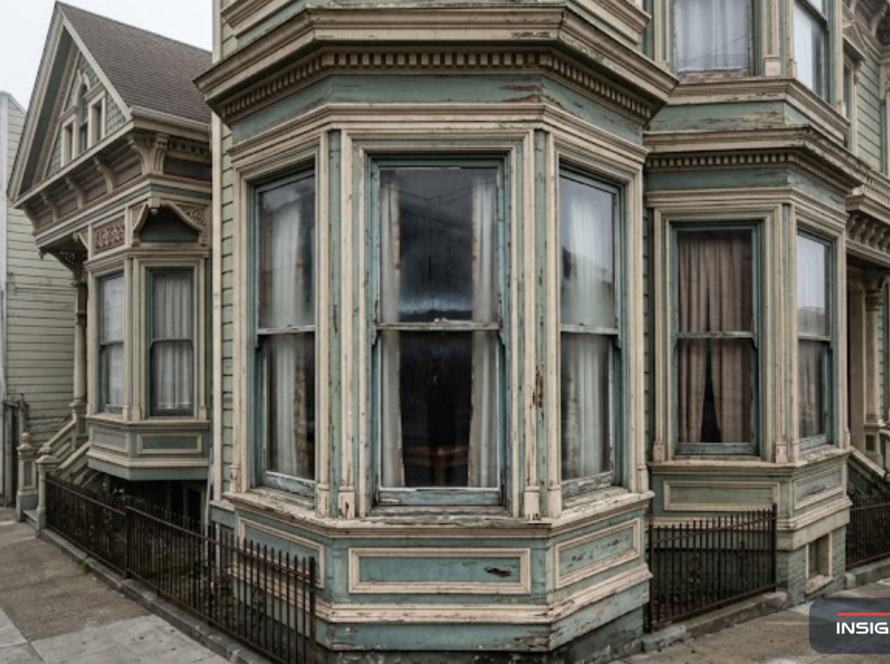
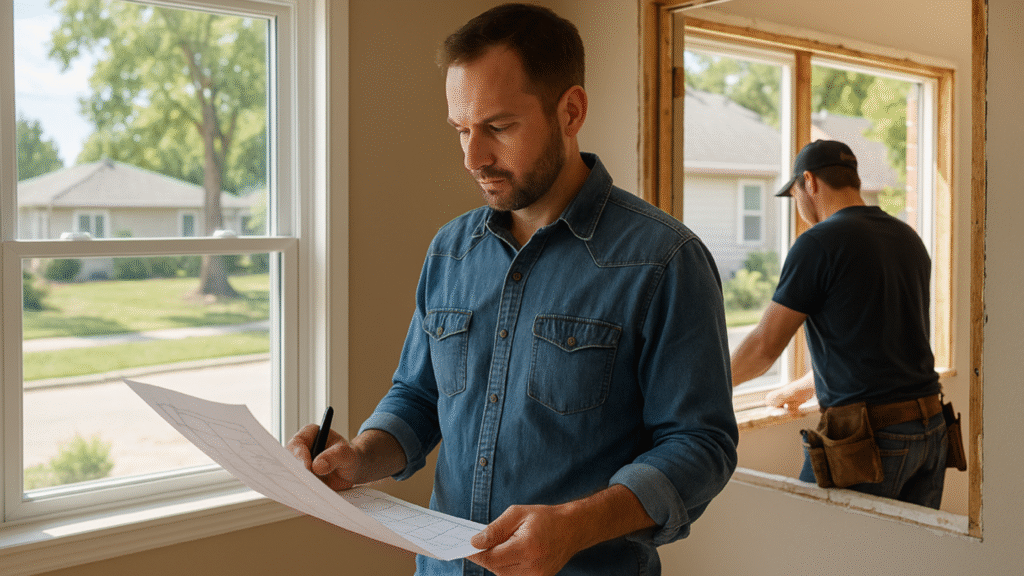
Document window sizes, styles, and current conditions with photos and measurements. This information helps contractors provide accurate quotes and ensures you receive windows that fit correctly. Bay Area homes vary tremendously in age and style—Victorian homes in Alameda differ significantly from mid-century ranches in San Leandro or modern constructions in Mountain View. Your documentation helps professionals understand your specific situation.
Prioritizing Project Scope
Not every window requires immediate replacement. Some homeowners address their entire house at once, while others phase projects over multiple years. Your window replacement plan should reflect your budget, priorities, and the condition of your home. Consider replacing the most problematic windows first—typically those in bedrooms where comfort affects sleep quality, or rooms facing weather exposure that experience the worst drafts and temperature fluctuations.
Budget constraints often determine project scope. Fortunately, phased approaches work well for window replacement. Complete south and west-facing windows this fall to address solar heat gain and weather exposure. Add remaining windows next year when finances allow. This strategy delivers immediate benefits while making larger projects manageable financially.
Selecting Materials and Window Types
Understanding Performance Features
Modern windows offer numerous performance features affecting energy efficiency, noise reduction, and maintenance requirements. Double-pane windows provide substantial improvements over single-pane glass, while triple-pane options deliver maximum insulation for Bay Area microclimates. Low-E coatings reduce energy costs by reflecting heat while allowing visible light to pass through—keeping homes cooler in summer and warmer in winter.
For homeowners near busy streets in Oakland, Fremont, or San Jose, soundproof windows with laminated glass dramatically reduce traffic noise. Properties in fire-prone areas, such as those in Concord, Livermore, or Antioch, benefit from fire-rated windows that provide additional protection. Your window replacement plan should account for location-specific challenges and opportunities.
Frame Material Considerations
Window frames are available in several materials, each offering distinct benefits. Vinyl frames require minimal maintenance and provide sound insulation at a moderate cost. Fiberglass frames offer superior strength and insulation but cost more. Aluminum frames are well-suited for commercial applications and modern architectural styles. Wood frames provide traditional aesthetics but need regular maintenance.
Bay Area’s diverse architecture means different homes suit different frame materials. Historic homes in Berkeley or Alameda often prioritize authentic wood aesthetics, while contemporary homes in Sunnyvale or Santa Clara tend to benefit from low-maintenance materials like vinyl or fiberglass. Consider your home’s style, your maintenance preferences, and your budget when selecting frame materials.
Vetting and Selecting Contractors
Research and Recommendations
Quality installation determines window performance as much as product selection. Begin contractor research early in your window replacement plan timeline. Seek recommendations from neighbors, friends, or family who recently completed similar projects. Online reviews provide additional insights; however, consider the whole picture rather than focusing solely on isolated complaints or praise.
Verify contractors hold proper licensing and insurance. California requires specific licenses for window installation work. Licensed contractors are knowledgeable about building codes, permit requirements, and correct installation techniques. Insurance protects you in the event of accidents that occur during the installation process. Never hire unlicensed contractors, regardless of attractive pricing—the risks far outweigh potential savings.
Obtaining and Comparing Quotes
Request detailed quotes from at least three contractors. Quality quotes specify exact products, installation methods, timeline, warranty coverage, and total costs, including permits and disposal fees. Vague estimates that lack detail make comparison difficult and often lead to disputes about scope or unexpected charges.
Don’t automatically select the lowest bid. Extremely low quotes often indicate inferior products, rushed installation, or hidden costs that emerge during the project. Similarly, the highest bid doesn’t guarantee the best quality. Evaluate the total package—product quality, contractor reputation, warranty terms, and communication quality matter as much as price.
Understanding Permits and Code Requirements
Bay Area Permit Process
Most Bay Area jurisdictions require permits for window replacement projects. Permits ensure that work meets current building codes for structural integrity, energy efficiency, and safety. Professional contractors typically handle permit applications as part of their service; however, verify this during the contractor selection process.
Permit requirements vary between cities. Oakland, San Jose, Berkeley, and other municipalities maintain different processes and timelines—budget 2-4 weeks for permit approval in your window replacement plan. The October timing provides an adequate buffer, as permits approved in early October allow for completion before November weather becomes unpredictable.
Energy Code Compliance
California’s Title 24 energy standards specify minimum performance requirements for windows. Replacement windows must meet U-factor and Solar Heat Gain Coefficient standards for your climate zone. Bay Area cities fall into different zones—coastal areas have different requirements than inland locations. Your contractor should understand these requirements and specify products that comply with them.
Energy-efficient windows qualifying for utility rebates or tax credits often exceed minimum code requirements. Investigate available incentives through PG&E, California energy programs, or federal tax credits. These programs effectively reduce your project cost while delivering superior energy savings and comfort improvements.
Preparing Your Home for Installation
Interior Preparation
Clear areas around windows before installation day. Remove curtains, blinds, furniture, and decorations within a three-foot radius of each window. This provides installers with clear access and protects your belongings from construction dust and debris. Cover remaining furniture with drop cloths if rooms can’t be completely cleared.
Please expect some dust and disruption during the installation process. While professional contractors minimize mess, cutting old caulk, removing trim, and installing new windows inevitably creates debris. Plan accordingly—schedule installation when you can be away during the day, or designate clean areas where family members can work or relax away from active work zones.
Exterior Preparation
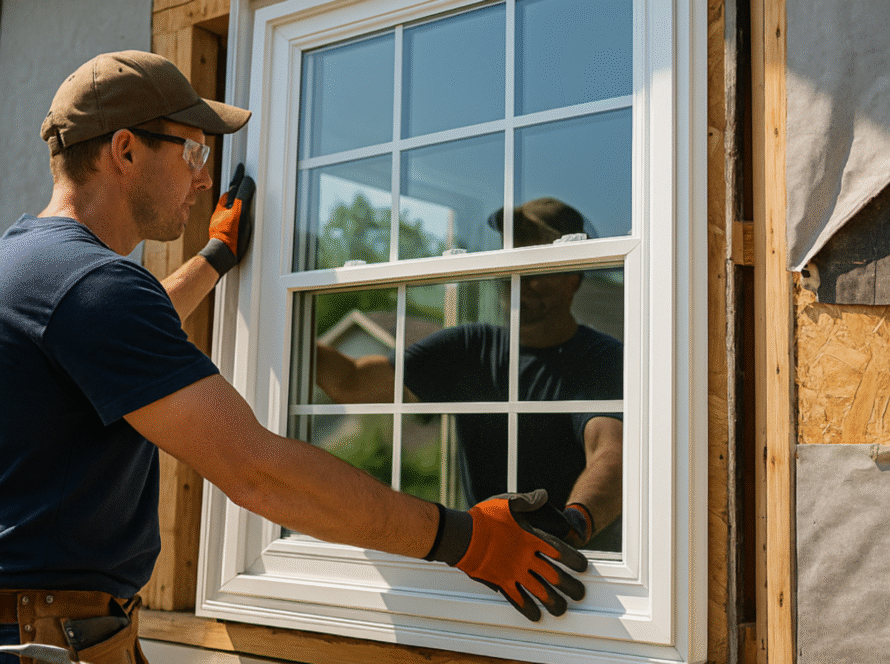
Ensure clear access to exterior window areas. Trim bushes or plants that obstruct windows. Remove decorations, hose reels, or equipment stored near walls. For second-story windows, verify ladder placement areas are accessible and free of obstacles. These preparations enable installers to work efficiently, thereby reducing installation time and project costs.
Check weather forecasts as installation approaches. October typically offers excellent conditions throughout the Bay Area, but occasional weather changes occur. Flexible scheduling accommodates unexpected rain—your window replacement plan should include contingency dates in case the weather interferes with the initially scheduled installation.
Maximizing Energy Efficiency Benefits
Comprehensive Home Weatherization
Window replacement delivers maximum energy savings when combined with comprehensive weatherization services. Consider coordinating window upgrades with attic insulation improvements, air sealing, and other efficiency measures. Some California weatherization assistance programs help qualified homeowners fund these improvements, making comprehensive upgrades more affordable.
The weatherization assistance program and similar initiatives prioritize health and safety alongside energy efficiency. Improving your home’s thermal envelope through window replacement and complementary upgrades creates healthier indoor environments with better temperature control and reduced moisture problems. These improvements are particularly beneficial for households with respiratory conditions or those sensitive to temperature.
Long-Term Savings Calculation
Energy-efficient windows reduce your energy bill immediately and continuously. Calculate potential savings based on your current energy costs and expected performance improvements. Most Bay Area homeowners see a 15-25% reduction in heating and cooling expenses after replacing their aging windows with modern, efficient units. These ongoing savings help offset the initial investment while delivering improved comfort daily.
Execute Your Plan This October
A well-developed window replacement plan transforms ambitious projects into manageable, successful upgrades. October’s ideal conditions—mild weather, contractor availability, and adequate time before winter—create perfect circumstances for Bay Area homeowners ready to improve their homes. Your planning efforts ensure smooth execution, quality results, and satisfaction with your investment.
From Oakland to San Ramon, from Berkeley to Union City, Bay Area homeowners who plan carefully position themselves for successful window replacement projects that deliver decades of benefits. Energy savings, improved comfort, enhanced aesthetics, and increased property value reward thorough planning and timely execution.
Ready to start your project? Get your October project quote and discover how professional window replacement improves your Bay Area home. Start planning now for installation during October’s perfect conditions.
Since 1987, Insight Glass has provided top-quality windows & patio doors in the Bay Area.
Call 707-746-6571 for Expert Installation!
CONTACT US TO GET A FREE ESTIMATE!