When is it time to replace windows? Recognizing the signs and acting during September’s ideal conditions helps Bay Area homeowners in Oakland, Berkeley, San Jose, and surrounding cities prepare for winter while taking advantage of perfect installation weather and contractor availability.
Recognizing the Clear Signs Your Windows Need Replacement
Understanding when is it time to replace windows saves money, improves comfort, and prevents minor issues from becoming expensive problems. Bay Area homeowners often delay window replacement, assuming problems will resolve themselves or aren’t severe enough to warrant attention. As September brings cooler evenings and the approaching rainy season, sure warning signs become impossible to ignore.
Single-pane windows installed more than 20 years ago often fail to meet current performance standards. These outdated units lack the insulation and efficiency modern windows provide, leading to higher energy bills year-round. If your home still has original single-pane glass from decades past, replacement isn’t just recommended—it’s overdue. The difference in comfort and cost savings becomes immediately apparent once you upgrade.
Physical Damage and Operational Problems
Visible Deterioration
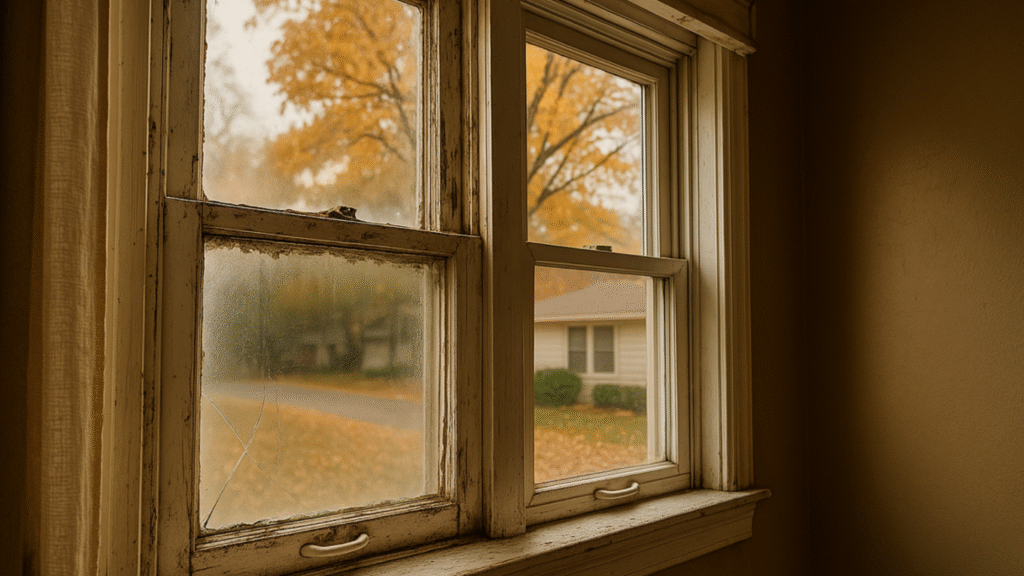
Cracked, chipped, or fogged glass signals immediate replacement needs. Damaged windows compromise security, allow water intrusion, and destroy energy efficiency. Fogging between panes indicates seal failure—moisture has entered the space between glass layers, rendering insulation worthless. Once seals fail, repair isn’t possible. The entire unit needs replacement.
Window frames that show signs of rot, warping, or significant deterioration also indicate it’s time to replace them. Wooden frames throughout older Bay Area homes in Alameda, Hayward, or Concord often suffer from moisture damage over the course of decades of exposure. Rotted frames can’t hold glass securely or seal properly against the weather. Even if glass appears intact, compromised frames warrant complete window replacement rather than patch repairs.
Operation Difficulties
Windows that stick, require excessive force to open and close, or won’t stay open without props have failed mechanically. A double-hung window should operate smoothly with minimal effort. When you struggle with difficult-to-open windows, it’s not just inconvenient—it’s dangerous. Emergency egress requirements mandate that bedroom windows open easily for fire escape purposes. Windows that don’t function properly fail this critical safety standard.
Balance systems in double-hung windows wear out over time. Springs weaken, cords break, and mechanisms corrode. While individual components can sometimes be replaced, persistent operational problems in older windows typically indicate that it is time to replace the entire unit rather than investing in repairs that provide only temporary fixes.
Energy Performance Issues
Drafty Windows and Temperature Control
Drafty windows create noticeable discomfort and spike energy bills. Stand near your windows on a breezy evening—you shouldn’t feel air movement or temperature differences. Bay Area microclimates create diverse conditions, ranging from foggy mornings in Berkeley to hot afternoons in Livermore and cool evenings in San Ramon. Your windows should maintain consistent indoor temperatures regardless of outside conditions.
Single-pane windows provide minimal insulation. Modern windows with double- or triple-pane glass and low-E coatings significantly enhance thermal performance. Homeowners who upgrade from single-pane to double-pane glass typically see a 15-25% reduction in heating and cooling costs. For a home with $200 monthly energy bills, that translates to $360-600 in annual savings—money that offsets replacement costs over time while improving daily comfort.
Condensation and Moisture Problems
Excessive condensation on window interiors indicates inadequate insulation and potential humidity problems. While some condensation occurs during temperature extremes, persistent moisture suggests that your windows aren’t performing correctly. Condensation leads to mold growth, damaged window sills, and the deterioration of surrounding walls.
Interior condensation differs from fogging between glass panes. Interior moisture can sometimes be addressed through humidity control; however, if you’ve managed indoor humidity levels and condensation persists, your windows may lack adequate insulation. Improving energy efficiency through modern window installation eliminates these moisture issues while creating more comfortable living spaces.
Why September Provides Perfect Timing
Ideal Weather Conditions
September offers optimal conditions for window replacement throughout the Bay Area. Mild temperatures make installation comfortable for crews and homeowners. Windows remain open during installation—usually 30-60 minutes per opening—exposing your home’s interior to outside conditions. Pleasant September weather minimizes discomfort compared to winter rain or summer heat.
Dry conditions also benefit installation quality. Proper sealing requires dry surfaces for adhesives and caulks to bond correctly. September’s characteristically dry weather ensures optimal conditions for weatherproofing, which is critical for performance during upcoming winter storms. Scheduling installation now means your new windows are fully cured and tested before the first heavy rains arrive in November and December.
Contractor Availability and Competitive Pricing
Summer represents peak season for window contractors. By September, the rush subsides, but the weather remains excellent for outdoor work. Contractors have more availability, offering flexible scheduling that accommodates your preferences. You’re not competing with dozens of other homeowners for limited installation slots.
Some contractors offer end-of-season incentives during September and October. Manufacturers clear inventory to make room for new product lines, passing savings to customers. While savings vary, fall timing often provides better value than peak summer months when demand drives prices higher.
Preparing Your Home for Winter Weather
Weather Sealing Before Storm Season
Bay Area winters bring substantial rainfall, particularly in elevated areas and coastal locations. Oakland, Berkeley, and San Leandro receive heavier precipitation than inland locations, but all Bay Area cities experience periods of significant rain between November and March. Installing new windows before storm season ensures your home is protected when the weather turns severe.
Modern windows provide far superior weather resistance compared to aging units. Multiple weatherstripping layers, properly designed drainage systems, and precision manufacturing create barriers that keep water out even during wind-driven rain. Homeowners who delay replacement often discover leaks during the first significant storm, requiring emergency repairs at premium costs, plus potential water damage to interiors.
Heating Efficiency and Comfort
As temperatures drop through fall and winter, heating costs become a focus. Windows represent one of the most significant sources of heat loss in typical homes. Upgrading to energy-efficient windows before heating season begins delivers immediate savings. You’ll notice the difference on the first cold evening when rooms stay comfortable without needing constant adjustments to the thermostat.
Triple-pane windows provide maximum insulation for Bay Area homes in cooler microclimates or for homeowners who are particularly sensitive to temperature variations. The additional glass layer and insulating gas fills create superior thermal barriers. While triple-pane windows cost more than double-pane windows, the comfort improvement and energy savings justify the investment for many homeowners in Mountain View, Sunnyvale, or Fremont.
Long-Term Planning and Property Value
Year-End Financial Considerations
September window replacement allows homeowners to capture potential tax benefits for the current year. Energy-efficient windows may qualify for federal tax credits or California state incentives. Completing installation before December 31 ensures you can claim applicable benefits on your current tax return rather than waiting another year.
Budget planning also favors fall timing. If you’ve saved throughout the year for home improvements, September provides adequate time to schedule and complete projects before year-end. You can assess the remaining budget, adjust the project scope if needed, and still complete it before winter weather complicates the installation.
Curb Appeal and Home Value
New windows dramatically improve curb appeal—valuable whether you plan to sell soon or remain in your home for years. Replacing dated, weathered windows with modern designs transforms your home’s exterior appearance. This aesthetic upgrade complements other improvements, signaling to neighbors and potential buyers that your home receives the proper care and maintenance it deserves.
Real estate markets throughout San Jose, Santa Clara, and Walnut Creek value energy efficiency and modern updates. Homes with recently replaced windows command premium prices and sell faster than comparable properties with aging windows. Even if you’re not selling immediately, window replacement represents an investment that not only preserves but also increases property value.
Avoiding the Procrastination Trap
Why Homeowners Delay
Many homeowners recognize that their windows need to be replaced, but they delay action for various reasons. The project seems expensive, disruptive, or isn’t urgent enough to prioritize. This procrastination costs money—every month you delay, you’re paying higher energy bills and risking water damage or security issues from failing windows.
Others assume waiting for problems to worsen before acting makes financial sense. This logic fails with Windows. Unlike some home systems that provide warning before complete failure, windows deteriorate gradually and then fail suddenly. A small crack becomes a shattered pane during the next storm. A minor draft becomes a major leak when seals give way. Proactive replacement costs less than emergency repairs plus interior damage restoration.
The Cost of Waiting
Delaying window replacement until winter can create complications and increase costs. Weather limits installation windows—contractors can’t work during heavy rain. Your project may be delayed multiple times waiting for weather breaks, extending the period you live with damaged windows. Emergency replacements during winter also cost more due to scheduling difficulties and weather-related complications.
Interior damage from leaking or drafty windows compounds over time. Water stains, mold growth, damaged flooring, and deteriorated walls around window openings add expense beyond simple window replacement. Acting now, before winter storms test your windows’ limits, prevents these secondary damages and associated costs.
Selecting the Right Windows for Your Needs
Matching Products to Bay Area Conditions
Different Bay Area locations benefit from different window types. Homes near highways in Oakland or San Jose benefit from soundproof windows with laminated glass that blocks traffic noise. Property owners in wildfire-prone areas, such as those in Concord, Antioch, or Pittsburg, may consider installing fire-rated windows for added protection. Urban locations value security features while suburban homes prioritize energy efficiency.
The type of window also matters. Casement windows provide excellent ventilation and tight seals when closed. Double-hung windows offer traditional aesthetics and easy cleaning. Sliding windows are well-suited for horizontal openings where vertical operation is impractical. Picture windows maximize views and natural light in spaces where ventilation isn’t needed. Discuss your specific needs and preferences with experienced window professionals familiar with Bay Area conditions.
Installation Quality Matters
Even premium windows perform poorly if installed incorrectly. Professional window installation ensures proper fit, complete weatherproofing, and optimal performance. Experienced installers are familiar with Bay Area building codes, local climate considerations, and the unique challenges posed by different home styles.
For homes undergoing larger renovations or additions, coordinate window replacement with other projects to ensure a seamless integration. New construction windows installed during remodels integrate seamlessly with new framing and finishes. This coordination ensures consistent aesthetics and performance throughout your home.
Taking Action This September
The question isn’t whether to replace aging, inefficient windows—it’s when. September provides the ideal answer. Perfect weather, contractor availability, and adequate time before winter storms arrive create optimal conditions for window replacement. You’ll enjoy immediate comfort improvements, lower energy bills starting with the first cold evening, and peace of mind knowing your home is protected before storm season begins.
Bay Area homeowners in Milpitas, Union City, San Leandro, and surrounding cities who act now position themselves for comfortable, efficient winters while avoiding the rush and complications of peak-season scheduling. Windows and doors represent critical home systems—protecting you from weather, providing security, and significantly impacting energy costs and comfort. Addressing window replacement during September’s ideal conditions represents thoughtful planning that pays immediate and long-term dividends.
Are you ready to prepare your home for fall and winter? Schedule your fall installation and discover the difference modern, energy-efficient windows make. Don’t wait for winter storms to reveal your windows’ weaknesses—act now while conditions favor your project’s success.
Since 1987, Insight Glass has provided top-quality windows & patio doors in the Bay Area.
Call 707-746-6571 for Expert Installation!
CONTACT US TO GET A FREE ESTIMATE!