



Fall brings temperature swings and increased moisture to the Bay Area—learn how to weatherproof windows now to keep your home comfortable and energy-efficient throughout the entire season.
Why Bay Area Homeowners Should Weatherproof Windows This Fall
As September arrives in the Bay Area, you’ll notice cooler mornings in Oakland, foggy afternoons in Berkeley, and crisp evenings in Walnut Creek. These seasonal shifts put stress on your windows. Gaps that seemed harmless during summer now let cold air seep in. Moisture from coastal fog settles on glass, potentially causing condensation inside your home.
Learning how to weatherproof windows before temperatures drop keeps your home warmer, lowers your energy bill, and prevents long-term damage to your window frame and window sill. Whether you live in Fremont, San Ramon, or Pittsburg, taking action now saves you from costly repairs later.
Inspect Seals and Caulking Around Your Windows
Start by checking the seal around each window. Stand close to your windows on a breezy day and feel for drafts. You can also hold a lit candle near the edges—if the flame flickers, air is leaking through.
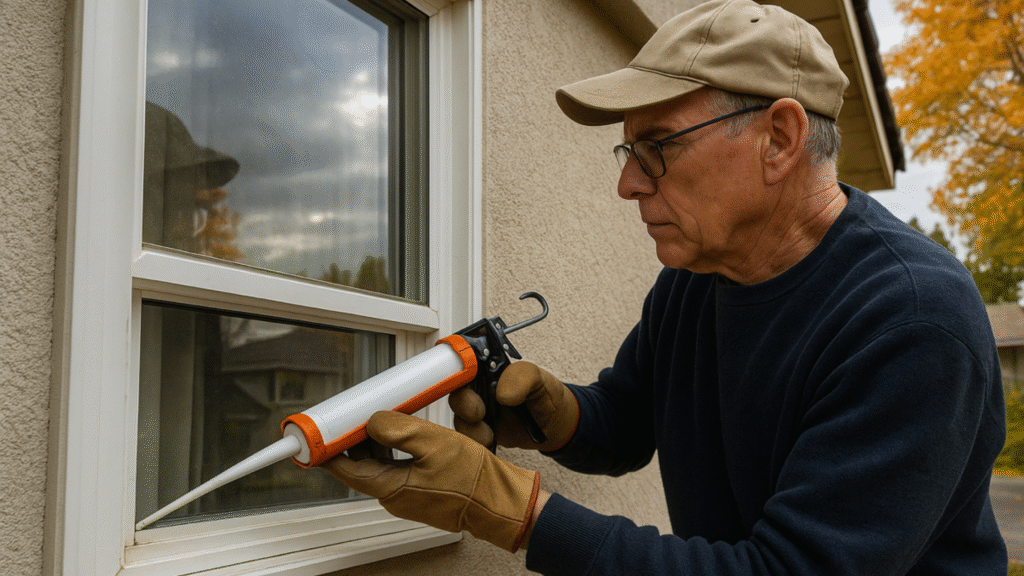
Look at the caulking along the exterior where your window frame meets your home’s siding. Cracks, gaps, or sections where caulk has pulled away create openings for cold air and moisture. In cities like Alameda and San Leandro, salty air accelerates the deterioration of caulk.
Remove old, damaged caulk with a scraper. Clean the area thoroughly, then apply fresh exterior-grade caulk. Smooth it with your finger or a caulking tool for a tight seal. This simple task can reduce heat loss by up to 15%.
Replace or Upgrade Weatherstripping
Weatherstripping sits along the moving parts of your windows. Over time, it compresses, tears, or falls off completely. When that happens, your windows no longer close tightly.
Open each window and inspect the weatherstripping. If it’s cracked, torn, or missing, replace it. Self-adhesive foam tape works well for many window types and costs just a few dollars per roll. For heavier windows or high-traffic areas, consider V-strip or compression weatherstripping for better durability.
Homes in Antioch, Concord, and Livermore experience hot summers and cool falls, which means weatherstripping takes a beating. Replacing it before October keeps indoor
temperatures stable and reduces strain on your heating system. If your windows have severe gaps or the frame itself is damaged, you might need window replacement services in Antioch, California, or nearby cities to restore full efficiency.
Prevent Condensation Buildup on Glass
When warm indoor air meets cold glass, condensation forms. You’ll see water droplets or even frost on your windows during fall mornings. Left unchecked, this moisture can damage your window sill, encourage mold growth, and stain paint or wood.
Reduce indoor humidity by running exhaust fans in your kitchen and bathroom. Avoid drying clothes indoors without ventilation. If you notice persistent condensation, consider a dehumidifier for problem areas.
Single-pane windows are especially prone to condensation. Upgrading to insulated windows with double or triple glazing helps keep the interior pane warmer, thereby reducing the temperature difference that causes moisture. Insulated windows also cut down on outside noise—a bonus if you live near busy streets in San Jose, Mountain View, or Sunnyvale.
For homes in particularly damp areas, such as Berkeley or Oakland, pairing weatherproofing with soundproof windows can address both noise and moisture issues simultaneously.
Add Window Film or Insulation Kits for Extra Protection
Window insulation kits are affordable and easy to install. These transparent plastic sheets attach to your window frame with double-sided tape. You then use a hairdryer to shrink the film tight, creating an insulating air pocket.
This extra layer reduces heat loss and blocks drafts without changing your window’s appearance. It’s a temporary solution that works well for renters or anyone planning future upgrades. Kits are available at most hardware stores and can be installed in about 10 minutes per window.
If you prefer a permanent option, low-emissivity (Low-E) window film reflects heat into your home while allowing natural light through. This upgrade is particularly beneficial in Milpitas, Santa Clara, and Hayward, where daily fall temperatures can vary significantly throughout the day.
Clean and Maintain Window Tracks and Sills
Dirt, leaves, and debris collect in your window tracks during summer. When fall rains arrive, this buildup traps moisture against your window sill and frame. Over time, standing water causes wood rot, mold, or rust on metal components.
Use a vacuum with a brush attachment to remove loose debris from tracks. Wipe down the window sill and frame with a damp cloth. For stubborn grime, use a mild detergent solution. Dry everything thoroughly before applying any weatherproofing materials.
Inspect the drainage holes at the bottom of your window frame—these small openings allow water to escape. If they’re clogged, clear them with a toothpick or small wire. Proper drainage prevents water damage and keeps your windows functioning smoothly through the Bay Area’s wet season.
Consider Professional Window Replacement for Older Units
If your windows are more than 20 years old, weatherproofing may only provide temporary relief. Older windows often have warped frames, broken seals, or outdated glazing that no amount of caulking can fix. They also lack the energy efficiency of modern designs.
Windows replacement pays for itself through lower energy bills and improved comfort. Today’s windows come with features like Low-E coatings, argon gas fills, and insulated frames that keep your home comfortable year-round. New construction windows offer the latest in energy performance and durability.
For homes in fire-prone areas, such as Union City or San Ramon, fireproof windows offer both safety and efficiency. These specialized units resist heat and flames, giving you extra protection during California’s wildfire season.
Optimize Energy Savings with Strategic Window Care
Beyond sealing and insulating, small habits make a big difference. Open the curtains on sunny fall days to let in the natural warmth. Close them at night to trap heat inside. Keep windows locked when not in use—locked windows create a tighter seal than unlocked ones.
During mild afternoons, open windows to let fresh air circulate. This reduces the need for heating or cooling and improves indoor air quality. In Bay Area cities with microclimates, such as Berkeley or Sunnyvale, this strategy helps you take advantage of comfortable fall weather without running your HVAC system.
Monitor your energy bill after weatherproofing. Most homeowners see a noticeable drop in heating costs within the first month. If your bills remain high, your windows may need more extensive repairs or replacement.
Get Your Windows Ready for Fall Comfort
Weatherproofing your windows takes just a few hours but delivers benefits all season long. You’ll feel the difference immediately—no more cold drafts, no more condensation dripping onto your windowsill, and a noticeable drop in your heating costs.
Bay Area weather can be unpredictable, especially as fall transitions into winter. Whether you’re tightening seals in Concord, upgrading frames in Fremont, or planning a full replacement in San Jose, taking action now keeps your home comfortable and efficient.
Are you ready to prepare your home for fall? Schedule your window weatherproofing with Insight Glass today. Our team serves Oakland, San Ramon, Mountain View, and cities throughout the Bay Area. Get a free estimate and start saving on your energy bill this season.
Since 1987, Insight Glass has provided top-quality windows & patio doors in the Bay Area.
Call 707-746-6571 for Expert Installation!
CONTACT US TO GET A FREE ESTIMATE!
