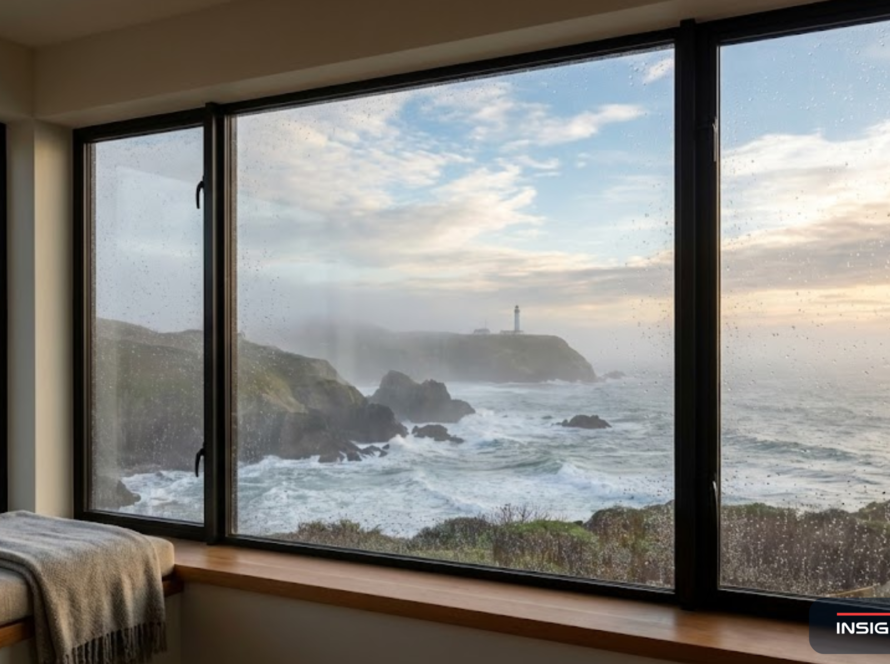

Understanding how much do new construction windows cost helps Bay Area builders and homeowners budget accurately for building projects. Prices vary significantly based on window materials, size, energy efficiency features, and installation complexity, with total project costs ranging from moderate to premium depending on your choices.
Average New Construction Window Costs
Understanding how much do new construction windows cost begins with baseline pricing for Bay Area projects. New construction windows typically cost $300-1,500 per window, including installation, with complete projects ranging from $5,000-30,000 or more, depending on home size and window choices.
Basic vinyl windows in standard sizes represent the lower end at $300-600 installed. Mid-range options, including better vinyl, aluminum, or fiberglass windows, cost $600-1,000 per window. Premium materials like wood or high-performance systems reach $1,000-1,500 per window or more for large sizes with advanced features.
These figures reflect the full installed costs across San Francisco, Oakland, San Jose, and surrounding Bay Area communities. Understanding how much new construction windows cost requires examining the multiple variables affecting pricing beyond these averages.
Cost by Window Material
Window frame material significantly influences the cost of new construction windows, with each material offering different performance characteristics and price points.
Vinyl Windows Vinyl represents the most economical window material, costing $250-700 per window installed for quality products. The material resists moisture well—essential in the Bay Area’s coastal humidity—and requires no painting or staining. Vinyl windows offer good energy efficiency at affordable prices.
Modern vinyl windows have improved substantially from earlier generations that yellowed or became brittle. Current premium vinyl products perform well for decades while remaining the lowest-cost window material. This makes vinyl popular for Bay Area spec homes and budget-conscious custom builds.
Limitations include color restrictions (usually white or beige, with limited alternatives), inability to repair damage (requiring complete replacement), and a less substantial feel than wood or metal alternatives. Thick-walled vinyl frames are necessary for large windows, potentially resulting in bulkier profiles than those of other materials.
Aluminum Windows: Aluminum windows cost $400-900 installed for standard sizes. The strong, thin frames suit contemporary Bay Area architecture, where narrow profiles and clean lines matter. Aluminum’s strength allows larger glass areas with minimal frame obstruction.
Modern aluminum windows incorporate thermal breaks—non-conductive spacers separating the interior and exterior frame portions—that address the material’s historical energy-efficiency problems. Without thermal breaks, aluminum readily conducts heat, leading to condensation and energy loss issues that are unsuitable for residential applications.
Powder-coat finishes offer durable color options that match contemporary design palettes. Black aluminum frames prove particularly popular in modern Bay Area construction. The material resists corrosion in coastal environments when properly finished.
Fiberglass Windows Fiberglass windows cost $500-1,200 installed, depending on size and features. This premium material offers exceptional durability, dimensional stability, and energy performance. Fiberglass doesn’t expand or contract as much with temperature changes as vinyl or aluminum, helping maintain seals and better overall operation over time.
The material accepts paint finishes, allowing color customization that is impossible with vinyl. Fiberglass’s strength enables narrow frames that maximize glass area—appealing to Bay Area homes that prioritize views and natural light.
Higher costs limit fiberglass adoption, but the long-term performance justifies investment for quality-focused projects. The material is particularly well-suited to the Bay Area’s temperature variations and coastal exposure.
Wood Windows Traditional wood windows cost $800-1,500+ installed for quality products. Wood offers classic aesthetics, natural insulation, and repairability that other materials lack. Interior wood surfaces create warmth and character that vinyl or aluminum can’t replicate.
Bay Area’s Victorian, Craftsman, and traditional homes often warrant wood windows that maintain architectural authenticity. Custom wood windows for historical renovations cost even more—sometimes $2,000+ per window—but preserve property character and value.
Wood requires maintenance, including periodic painting or staining. The Bay Area’s climate is generally favorable for wood products compared to areas with harsh winters or extreme humidity, but some maintenance is still necessary. Wood-aluminum hybrids—wood interiors with aluminum exterior cladding—reduce maintenance while preserving interior wood character at premium prices of $1,200-$2,000+ per window.
Pricing by Window Type and Style
Window operation types affect how much new construction windows cost beyond material choices alone.
Single-Hung and Double-Hung Windows Traditional hung windows cost $300-900 installed for vinyl, $500-1,200 for fiberglass or aluminum, and $800-1,500 for wood. These common types suit most Bay Area residential applications with proven operation and reasonable costs.
Double-hung windows (both sashes move) cost $50-150 more than single-hung windows (only the bottom sash moves), but they provide better ventilation and easier cleaning. The modest premium makes double-hung popular for most applications.
Casement Windows Side-hinged casement windows cost $400-1,000 installed for vinyl, $600-1,400 for fiberglass or aluminum, and $900-1,800 for wood. The crank operation and full opening capacity justify slightly higher costs compared to hung windows.
Casement windows provide excellent ventilation and contemporary aesthetics popular in Bay Area modern homes. The hardware costs more than hung window mechanisms, driving higher pricing.
Sliding Windows Horizontal sliding windows cost $350-800 for vinyl, $500-1,100 for metal or fiberglass, and $750-1,500 for wood. These space-efficient windows suit contemporary design and locations where outward-opening casements would interfere with decks or walkways.
Sliding windows share cost ranges with hung windows, with pricing varying primarily by size and materials rather than operation type.
Picture Windows Large fixed picture windows cost $400-1,200 for vinyl, $600-1,800 for aluminum or fiberglass, and $1,000-2,500+ for wood, depending heavily on size. Fixed windows cost less per square foot than operable types since they lack mechanical components.
Bay Area homes often feature large picture windows showcasing views of the Golden Gate, San Francisco Bay, hills, or cityscapes. These statement windows justify premium investment for properties where views add significant value.
Bay and Bow Windows Multi-panel projecting windows cost $1,500-4,000+ installed, depending on size, materials, and panel configuration. These architectural features create expanded interior space and exterior character that justify premium costs for appropriate Bay Area homes.
Installation complexity adds substantially to labor costs. The projecting design requires structural support and roofing integration, which increases installation time and the expertise necessary.
Specialty Shapes Arched, circular, or custom-shaped windows cost $800-3,000+, depending on size and complexity. Bay Area Victorian and Craftsman homes often feature architectural details that require specialty fabrication. The custom nature drives costs well above standard rectangular windows.
Size and Quantity Impact on Costs
Window size significantly affects the cost of new construction windows, with prices increasing roughly in proportion to the glass area.
Standard-size windows in common dimensions (24×36, 30×48, 36×60 inches) cost the least because manufacturers produce them in Volume. Standard sizes cost 20-40% less than custom fabrication for identical materials and features.
Custom Sizes Non-standard dimensions require custom fabrication, adding $200-600 per window, depending on how far outside standard sizes you specify. Each unique measurement incurs setup costs that standard production doesn’t.
Quantity Discounts: Ordering multiple windows reduces per-unit costs through volume discounts. Buying 10-20 windows often yields 10-15% savings versus purchasing 2-3 windows. Complete home window packages for new construction typically include quantity pricing beneficial to overall project costs.
Large Format Windows Oversized windows exceeding standard maximum dimensions require special handling, reinforced frames, and potentially thicker glass. These factors increase costs disproportionately—a window twice the area might cost 2.5-3 times as much as a window half the area.
Energy Efficiency Features and Pricing
Energy performance additions affect how much new construction windows cost while delivering long-term utility savings significant in California’s Title 24 energy code environment.
Single Pane vs. Double Pane: Modern new construction virtually always uses double-pane windows, minimum. Single-pane windows, while $100-200 cheaper per window, don’t meet California energy codes and are unsuitable for new Bay Area construction.
Double-pane windows with air-filled spaces between panes represent the baseline new-construction standard and are included in the cost ranges already discussed.
Low-E Coatings Low-emissivity coatings add $30-80 per window but dramatically improve energy performance. These microscopic metallic layers reflect infrared radiation, controlling summer solar heat gain while retaining interior heat in winter. California Title 24 requires Low-E coatings in most climate zones, making them standard rather than optional upgrades.
Different Low-E formulations suit other climates. Bay Area’s mild conditions allow less aggressive coatings than those required in desert climates, affecting performance and cost.
Gas Fills Argon gas between double-pane layers improves insulation over standard air fills, adding $25-60 per window. The inert gas conducts heat less readily than air, reducing energy transfer through windows.
Krypton gas offers better performance than argon but costs $75-150 more per window. The improvement proves modest enough that krypton remains uncommon except in premium projects or triple-pane applications.
Triple Pane Windows: Adding a third glass layer costs $150-400 per window, compared to comparable double-pane products. Triple-pane windows provide superior energy efficiency and noise reduction, which are valuable in urban Bay Area environments or on properties near traffic.
The additional glass weight requires stronger frames and hardware, which adds to costs beyond the extra pane. Most Bay Area new construction uses double-pane windows, reserving triple-pane windows for particularly noisy locations or premium energy performance specifications.
Labor Costs and Installation
Understanding how much new construction windows cost requires examining installation expenses, which account for 20-35% of total window replacement project costs.
Standard Installation Labor for straightforward new construction window installation costs $100-300 per window in Bay Area markets. The work involves attaching nail-fin flanges to framing, shimming for plumb and level, insulating around frames, and integrating with weather barriers.
Installation is more straightforward for new construction than for replacement windows, since the framing is exposed and accessible. The rough openings are purpose-built for windows being installed rather than adapted to existing conditions.
Complex Installations: Large windows, difficult-access locations, or specialty shapes increase labor costs by $100-400 per window. Second-story installations requiring scaffolding, windows in tight spaces, or heavy units requiring multiple installers drive up labor costs.
Prevailing Wages Bay Area labor costs run 15-30% above national averages due to the regional cost of living and prevailing wage requirements for many projects. San Francisco and Peninsula installations typically cost the most, with East Bay and South Bay running slightly lower but still above national norms.
Experienced window installers command $75-125 per hour. A typical window installation takes 1-3 hours, depending on size and complexity, which translates to the labor costs mentioned.
Factors That Affect Total Project Costs
Multiple variables beyond per-window pricing influence the cost of new construction windows for complete projects.
Building Design Homes with many small windows costs more per square foot of glass than designs using fewer large windows. The fixed costs per window (framing, opening, installation labor, flashing) are spread across a smaller glass area in multi-window designs.
Contemporary Bay Area homes often feature walls of windows—large expanses of glazing creating indoor-outdoor connections. These designs can actually cost less per square foot than traditional homes with numerous separate windows, despite using more total glass.
Accessibility Easy ground-level access costs less than installations requiring scaffolding, lifts, or extensive safety equipment. Hillside Bay Area properties or multi-story homes face higher labor costs due to access challenges.
Permit and Inspection Fees: New construction permits include window inspections as part of the overall building permit. These costs typically get included in general contractor fees rather than appearing as separate window-related charges, but they remain real project costs.
Window Trim and Finishing: Interior and exterior trim materials and installation add $50-200 per window, depending on trim complexity and material choices. Simple painted wood costs the least, while custom millwork or premium materials can substantially increase finishing costs.
Bay Area Regional Price Variations
Location within the region affects the cost of new construction windows due to varying labor rates, permitting requirements, and market conditions.
San Francisco proper sees the highest costs—expect to pay 20-30% above Bay Area averages. Labor rates, permitting complexity, access challenges in urban construction, and premium market positioning all contribute. Budget $400-2,000 per window installed, depending on materials and features.
Peninsula and Silicon Valley, Palo Alto, Mountain View, Los Altos, and surrounding communities see pricing similar to San Francisco—15-25% above regional averages. Affluent markets and high labor costs drive premium pricing. Expect $375-$1,800 per window.
East Bay Oakland, Berkeley, Alameda, and East Bay communities run 5-15% below San Francisco pricing while remaining above national averages. Budget $325-$1,400 per window for most applications.
South Bay San Jose and South Bay proper see moderate pricing near regional averages. Expect $350-1,500 per window, depending on specifications and exact location.
North Bay Marin County commands premium pricing similar to San Francisco. Napa and Sonoma counties run closer to East Bay pricing, though rural areas may see lower costs offset somewhat by travel charges from contractors.
Hidden Costs to Consider
Several often-overlooked expenses affect the cost of new construction windows for complete projects.
Structural Modifications Window openings require proper headers, king studs, and support framing. While standard in new construction, oversized windows may require engineered beams, adding $200-1,000+ per opening, depending on size and structural requirements.
Flashing and Weather Barriers Proper waterproofing around windows requires specialized flashing, sealants, and weather barrier integration. Quality materials and installation add $30-75 per window but prevent moisture intrusion that can cause expensive long-term damage.
Trim and Finish Materials. Interior and exterior trim are separate costs from the windows themselves. Budget $50-200 per window for trim materials and installation, depending on complexity and material choices.
Energy Code Compliance: California Title 24 requires energy calculations to prove that building designs meet efficiency standards. While general building permit costs cover this, selecting non-compliant windows can force design changes or upgrades, adding unexpected expenses.
Window Coverings: New windows need blinds, shades, or curtains. This represents a separate decorating expense but factors into the total costs of a complete bathroom renovation or home construction. Budget $50-300 per window for quality window treatments.
Ways to Save on Window Costs
Understanding how much new construction windows cost helps identify opportunities for savings without compromising quality or code compliance.
Choose Standard Sizes. Designing around standard window dimensions saves 20-40% compared to custom sizes. Working with architects and builders during design phases to optimize for standard windows significantly reduces total project costs.
Select Mid-Range Materials: vinyl or aluminum windows perform well at 30-50% lower cost than wood or premium fiberglass. For many Bay Area applications, mid-range materials deliver appropriate performance and aesthetics without premium pricing.
Ordering in Volume Purchasing all windows simultaneously yields quantity discounts. Even if construction staging tempts phased purchasing, ordering together typically saves more than any holding costs from early purchase.
Time Projects Strategically. Some contractors offer modest discounts during the slower winter months. Flexibility in scheduling can yield 5-10% savings compared to the peak summer construction season.
Don’t Over-Specify. Select appropriate performance levels for each application rather than using premium specifications universally. Street-facing windows might warrant soundproofing features, while side windows need only standard performance—tailoring specifications to actual needs reduces costs.
Get Multiple Quotes from 3-5 suppliers and contractors. Prices vary significantly between providers—ensure competitive bidding without necessarily accepting the lowest bid if quality concerns exist.
Consider Semi-Custom Options. Some manufacturers offer semi-custom programs that accommodate size variations within ranges (±3 inches) at moderate premiums over standard sizes, but well below fully custom costs.
Long-Term Value Considerations
Evaluating how much new construction windows cost requires considering long-term value beyond initial purchase prices.
Energy Savings Energy-efficient windows reduce heating and cooling costs 20-40% compared to minimum code requirements. Over windows’ 20-30 year lifespans, utility savings can approach or exceed the premium paid for high-performance windows.
The Bay Area’s moderate climate means energy savings accumulate more slowly than in extreme temperatures, but savings remain meaningful over the long term of ownership. Calculate expected savings based on your specific energy costs and window specifications.
Maintenance Costs: Vinyl and aluminum windows require minimal maintenance and cleaning. Wood windows need periodic refinishing, costing $100-300 per window every 5-10 years—factor in maintenance costs when comparing materials.
Durability and Replacement Quality windows last 20-30 years or more with proper care. Cheap windows may need replacement in 10-15 years, effectively doubling per-year costs. Initial savings from budget windows often evaporate through premature replacement needs.
Property Value Quality windows enhance property values, particularly in the Bay Area’s competitive real estate market. Energy-efficient, attractive windows appeal to buyers and can differentiate properties, potentially returning 50-70% of window costs upon sale.
Getting Accurate Quotes for Your Project
Determining exactly how much do new construction windows cost for your specific Bay Area project requires detailed quotes from qualified suppliers and contractors.
Provide Complete Specifications. Include all window dimensions, operation types, material preferences, finish colors, glass specifications (Low-E coatings, gas fills, etc.), and any special features. Incomplete information yields inaccurate quotes requiring later revisions.
Request Itemized Pricing: Ask for per-window costs broken down by materials and labor. This transparency helps identify cost drivers and enables meaningful comparisons between quotes.
Verify What’s Included: Confirm whether quotes include delivery, installation, trim, flashing materials, packaging disposal, and cleanup. Some quotes cover materials only, while others represent complete installed costs.
Check Contractor Credentials: Verify licensing, insurance, and references before accepting quotes. The lowest bid from unqualified contractors creates liability and quality risks exceeding any savings.
Understand Payment Terms: Most window projects require a deposit (typically 30-50%) upon ordering, with the balance due at completion. Understand payment schedules before committing.
Get Timeline Commitments: Confirm lead times from order to delivery and installation completion. Window fabrication takes 4-12 weeks, depending on customization, with installation following delivery.
Understanding how much do new construction windows cost empowers Bay Area builders and homeowners to budget accurately and make informed decisions. With prices ranging from $ 300 to $1,500+ per window installed, depending on materials, size, and features, complete residential projects typically cost $5,000-30,000 or more. Vinyl windows provide economical solutions at $250-700 installed, while wood windows offer premium aesthetics at $800-1,500+. Energy-efficient windows with Low-E coatings and high-quality gas fills cost modestly more but deliver long-term savings that justify the initial premium. Bay Area regional variations mean San Francisco and Peninsula projects cost 15-30% more than East Bay or South Bay installations. By carefully specifying appropriate windows for each application, standardizing sizes where possible, and obtaining competitive quotes from qualified contractors, you can control costs while achieving the window performance and aesthetics your Bay Area building project deserves.
Since 1987, Insight Glass has provided top-quality windows installation in the Bay Area.
Call 707-746-6571 for Expert Installation!
CONTACT US TO GET A FREE ESTIMATE!