



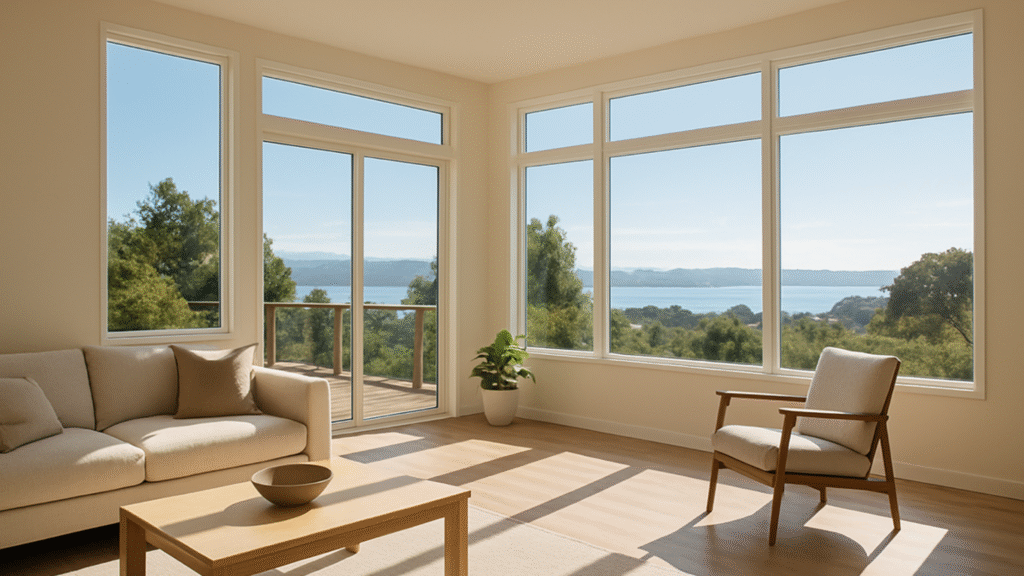
The best windows for natural light transform Bay Area homes by strategically capturing available sunlight while controlling heat gain and glare, creating comfortable and energy-efficient living spaces.
Understanding Natural Light Optimization for Bay Area Homes
Bay Area homeowners benefit from abundant natural light throughout most of the year, but maximizing this resource requires strategic window selection and placement. The best windows for natural light work differently depending on orientation, room function, and seasonal sun patterns that affect how light enters your home.
Professional window replacement projects offer opportunities to enhance natural light while addressing concerns about heat control and energy efficiency that arise from California’s intense sunlight and variable weather patterns.
Different window types excel at capturing and distributing light based on their design, operation, and glazing characteristics, making proper selection crucial for rooms that depend on natural illumination.
Window Types That Maximize Light Transmission
Casement Windows for Unobstructed Views
Casement windows offer the maximum glass area within their frames, making them ideal for maximizing natural light in living spaces. The side-hinged design eliminates center mullions that can obstruct light transmission, creating clear, uninterrupted views that make rooms feel larger and brighter.
These windows work particularly well for:
- Living rooms require consistent natural light
- Kitchen areas where task lighting benefits from daylight
- Home offices where natural light reduces eye strain
- Bedrooms facing east or west, where morning or evening light is desired
Floor-to-Ceiling Windows for Maximum Impact
Large fixed windows or floor-to-ceiling windows create dramatic light enhancement by maximizing the glass surface area. These installations work best in areas where ventilation isn’t required, but maximum light transmission is the priority.
Benefits include:
- Substantial light into your home during all daylight hours
- Enhanced connection with outdoor spaces and views
- Reduced dependence on artificial lighting during the daytime
- Architectural impact that transforms interior spaces
Sliding Windows for Contemporary Light Control
Sliding windows offer excellent light transmission while providing easy operation for ventilation control. The horizontal design works well for contemporary homes and offers consistent light distribution across wide openings.
These windows excel in:
- Modern architectural applications
- Areas where window placement allows for wide horizontal openings
- Rooms requiring both maximum light and occasional ventilation
- Applications where traditional window types might obstruct furniture placement
Directional Considerations for Light Optimization
South-Facing Windows Capture Maximum Light
South-facing windows capture the most consistent natural light throughout the day, making them ideal for primary living spaces. However, this orientation also receives the most heat gain, requiring careful glazing selection to balance light with energy efficiency.
Optimal applications:
- Living rooms and family areas require all-day brightness
- Home offices where consistent lighting improves productivity
- Art studios or workspaces where color accuracy matters
- Areas where increasing natural light reduces heating costs in winter
North-Facing Windows Provide Gentle Illumination
North-facing windows offer consistent, gentle light without direct sun exposure, making them excellent for areas where glare control is essential. This orientation provides steady illumination that doesn’t create hot spots or harsh shadows.
Best uses include:
- Reading areas where glare-free light is essential
- Bathrooms where consistent light improves functionality
- Bedrooms where gentle morning light is preferred
- Computer workstations where screen glare must be minimized
East and West Facing Considerations
East-facing windows provide pleasant morning light that gradually transitions throughout the day, while west-facing windows can create intense afternoon heat and glare. Strategic glazing selection becomes crucial for these orientations.
East-facing benefits:
- Natural wake-up lighting in bedrooms
- Pleasant breakfast area illumination
- Gentle warming during cool Bay Area mornings
West-facing challenges:
- Intense afternoon heat gain requiring low-E glazing
- Potential glare issues during peak sun hours
- Need for window treatments or specialized glass coatings
Glazing Technology for Light and Energy Balance
High-Performance Glass Options
Modern glazing technology allows maximum light transmission while controlling heat gain and UV exposure. Spectrally selective coatings enhance natural light while reducing cooling costs and protecting interior furnishings from fading.
Advanced options include:
- Low-E coatings that allow light while reflecting heat
- Clear glass with high visible light transmission
- Tinted glass for areas with excessive sun exposure
- Triple-pane systems that maximize insulation without sacrificing light
Light Transmission vs. Heat Control
The best windows for natural light balance, visible light transmissio,n with solar heat gain control. Bay Area’s climate requires windows that capture beneficial daylight while preventing unwanted heat buildup during warm periods.
Key performance metrics:
- Visible light transmittance ratings above 70% for maximum brightness
- Solar heat gain coefficients appropriate for orientation and climate
- UV protection to prevent interior fading while maintaining light quality
Specialized Applications for Enhanced Lighting
New Construction Windows Installation Opportunities
New construction projects enable optimal window placement and sizing for enhanced natural light. Strategic planning during design phases maximizes lighting benefits while addressing structural and energy code requirements.
Design considerations include:
- Room orientation and function matching window placement
- Coordinated lighting strategies that reduce energy consumption
- Integration with architectural features that distribute light effectively
Combining Natural Light with Other Features
Modern window installations can combine light optimization with other performance requirements:
- Soundproof windows installation for homes near busy areas
- Fire rated windows installation in wildfire-prone locations
- Energy-efficient designs that maintain light quality while reducing utility costs
Maximizing Light Distribution Throughout Homes
Interior Design Integration
The best windows for natural light complement interior design elements to distribute illumination evenly throughout living spaces. Light-colored walls, strategically placed mirrors, and open floor plans help capture natural light in areas that are not near windows.
Optimization strategies:
- Reflective surfaces that bounce light deeper into rooms
- Open sight lines that allow light to travel between spaces
- Minimal window treatments that don’t block beneficial daylight
- Light-colored interior finishes that maximize brightness
Reducing Artificial Lighting Dependence
Well-designed natural lighting systems reduce energy consumption by minimizing the need for artificial lighting during daylight hours. This approach provides both environmental benefits and utility cost savings while creating more comfortable living environments.
Benefits include:
- Lower electricity costs through reduced lighting loads
- Improved color rendering compared to artificial sources
- Enhanced mood and productivity from natural light exposure
- Reduced heat gain from artificial lighting fixtures
Creating Optimal Natural Light Solutions
The best windows for maximizing natural light depend on the specific room’s functions, orientation, and design preferences. Bay Area homeowners benefit from abundant sunshine, but they must balance light capture with heat control and glare management to achieve optimal comfort.
Focus on window types that maximize glass area while incorporating appropriate glazing technology for your specific conditions. Professional consultation ensures optimal selection and placement that enhances your home’s brightness while maintaining energy efficiency.
Strategic natural light optimization transforms homes into brighter, more comfortable spaces that reduce dependence on artificial lighting while creating appealing environments for daily living.
Talk to a Bay Area window expert today to explore natural light solutions that brighten your home while maintaining comfort and energy efficiency throughout the year.
Since 1987, Insight Glass has provided top-quality windows & patio doors in the Bay Area.
Call 707-746-6571 for Expert Installation!
CONTACT US TO GET A FREE ESTIMATE!
