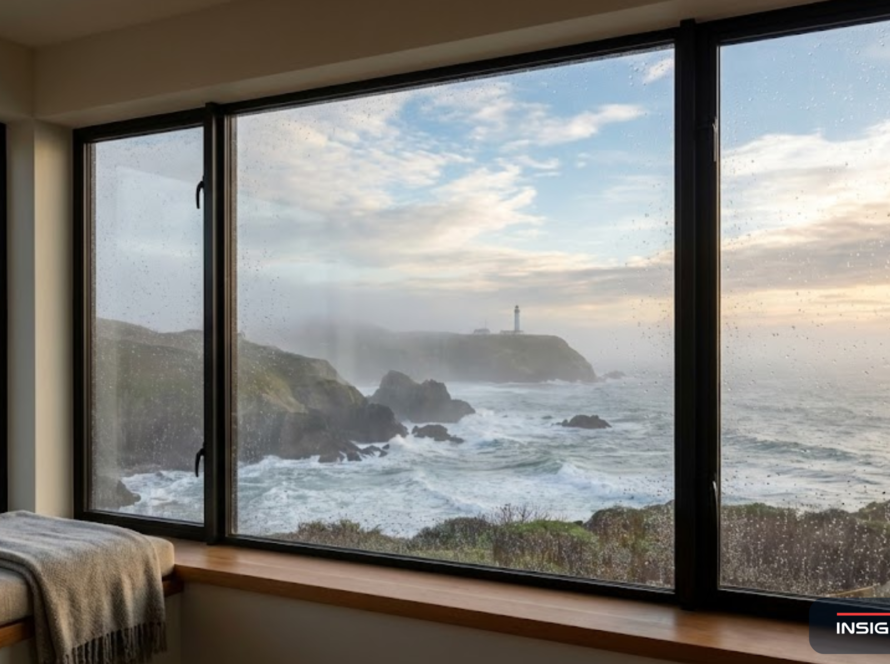

Finding the best ways to insulate windows helps Bay Area homeowners reduce energy bills and maintain comfortable indoor temperatures. From temporary solutions to permanent upgrades, multiple insulation methods address heat loss through windows in San Francisco’s varied microclimates.
Why Window Insulation Matters in the Bay Area
Understanding the best ways to insulate windows becomes essential for Bay Area homeowners facing unique climate challenges. San Francisco’s foggy mornings, Oakland’s temperature swings, and the South Bay’s warm summers all create situations where poorly insulated windows affect comfort and energy costs.
Windows account for significant heat loss during cooler months and heat gain during warm periods. Even in the Bay Area’s mild climate, poorly insulated windows force heating and cooling systems to work harder, driving up energy bills unnecessarily.
Effective window insulation maintains more consistent indoor temperatures, reduces drafts, and can lower annual energy costs by 10-25% depending on your current window conditions and chosen insulation methods.
Window Film and Insulation Film
Window film is one of the most cost-effective ways to insulate windows. These thin plastic sheets adhere to glass surfaces, creating an additional insulating air layer that reduces heat transfer.
Shrink-wrap insulation film installs temporarily during cold months. Apply the film to the window frame, then use a hair dryer to shrink it tight, creating a smooth, nearly invisible barrier. This method works well for renters or homeowners seeking seasonal solutions.
The film traps air between itself and the glass, improving insulation without blocking light. While not as effective as double-pane windows, insulation film provides noticeable improvements for single-pane windows, which are standard in older Bay Area homes.
Remove and replace the film each season. The low cost—typically under $20 per large window—makes this an accessible option for improving multiple windows on limited budgets.
Weatherstripping for Air Leaks
Weatherstripping seals gaps around operable windows to prevent air infiltration. This ranks among the best ways to insulate windows because it addresses a primary source of energy loss: air leakage rather than conduction through glass.
Several types of weatherstripping suit different window configurations. Foam tape works for uneven gaps, V-channel strips suit double-hung windows, and door sweeps can seal bottom rails on sliding windows.
Install weatherstripping along all moving parts of the window frame where sashes meet frames. Press the materials firmly into place, ensuring continuous contact that blocks air movement.
Check weatherstripping annually and replace worn sections. Bay Area’s temperature cycling and fog-related moisture degrade materials over time, reducing effectiveness. Fresh weatherstripping maintains energy savings year after year.
Thermal Curtains and Window Treatments
Thermal curtains provide substantial insulation while offering decorative benefits. These heavy window treatments incorporate insulating layers that significantly reduce heat transfer through windows.
Quality thermal curtains can reduce heat loss by 25% or more when closed. The thick fabric creates a dead air space between the curtain and the window, slowing heat transfer in both directions. This matters during San Francisco’s cool evenings and the South Bay’s hot afternoons.
Install curtains as close to the walls as possible to maximize the insulating air pocket. Extend curtain rods beyond the window frames so the curtains seal against the walls when closed, preventing air from circulating the edges.
Open thermal curtains during sunny winter days to capture passive solar heat, then close them at night to retain warmth. Reverse this pattern in summer, closing curtains during peak sun hours to block heat gain.
Cellular Shades for Insulation
Cellular shades, also called honeycomb shades, rank among the best ways to insulate windows due to their specialized construction. The honeycomb cells trap air, creating practical insulating barriers.
Single-cell shades provide basic insulation, while double-cell options offer superior performance for Bay Area homes with significant temperature control needs. The additional cell layer increases the insulating air space without substantially reducing light when desired.
Cellular shades come in various opacities. Light-filtering options allow natural light while providing insulation and privacy. Blackout versions maximize energy efficiency and work well for bedrooms.
Consider top-down, bottom-up mounting that allows adjusting shades from either direction. This provides flexibility for privacy and light control while maintaining insulation benefits.
Caulking and Sealing Window Frames
Caulking is a permanent, cost-effective way to insulate windows. Gaps between window frames and wall structures allow substantial air infiltration, which caulk prevents.
Inspect both interior and exterior window perimeters for gaps. On the exterior, check where window frames meet siding or stucco. Inside, examine gaps between frames and drywall or trim.
Use exterior-grade caulk for outside applications that withstand Bay Area weather. Interior gaps require paintable caulk that blends with existing finishes—silicone caulk is suitable for areas with moisture exposure.
Clean surfaces thoroughly before applying caulk. Remove old, deteriorated caulk completely, then use fresh beads that fill gaps without creating excessive buildup—smooth caulk with a wet finger or tool for professional-looking results.
Window Replacement for Maximum Efficiency
Sometimes the best way to insulate windows is to replace old, inefficient units entirely. Modern, energy-efficient windows dramatically outperform older single-pane installations standard in the Bay Area’s older housing stock.
Double or triple-pane replacement windows with low-E coatings and gas fills between panes provide superior insulation compared to any temporary measures applied to old windows. The investment pays back through reduced energy bills and improved comfort.
New windows also offer additional benefits beyond insulation. Soundproof windows reduce noise from busy Bay Area streets while simultaneously improving thermal performance. Modern windows require less maintenance and enhance home value.
Consider window replacement when:
- Current windows show significant deterioration or damage
- Single-pane windows create uncomfortable drafts despite other insulation efforts
- Energy bills remain high despite implementing multiple temporary solutions
- You’re already planning exterior work that would expose window openings
Calculate potential energy savings against replacement costs. Many Bay Area utility companies offer rebates for energy-efficient window installations, improving return on investment. Professional energy audits identify which windows contribute most to heat loss, helping prioritize replacements for maximum impact.
The best ways to insulate windows for your specific Bay Area home depend on your budget, timeline, and current window conditions. Temporary solutions like window film and weatherstripping provide immediate, affordable improvements. Permanent upgrades, including thermal window treatments and eventual window replacement, deliver long-term energy savings and comfort. Combining multiple methods creates comprehensive insulation that reduces heat loss, maintains comfortable indoor temperatures, and lowers energy bills year-round.
Since 1987, Insight Glass has provided top-quality windows installation in the Bay Area.
Call 707-746-6571 for Expert Installation!
CONTACT US TO GET A FREE ESTIMATE!