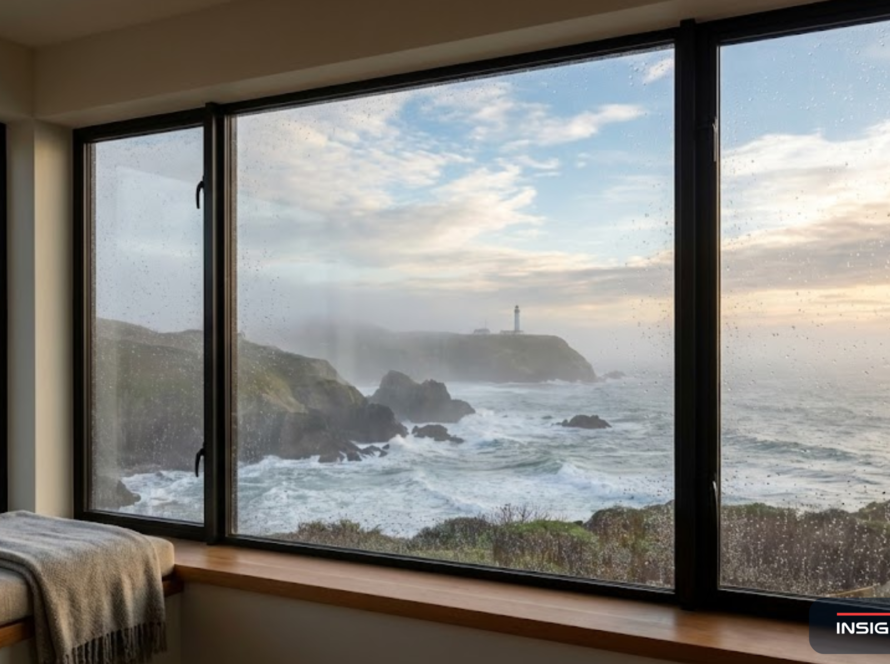
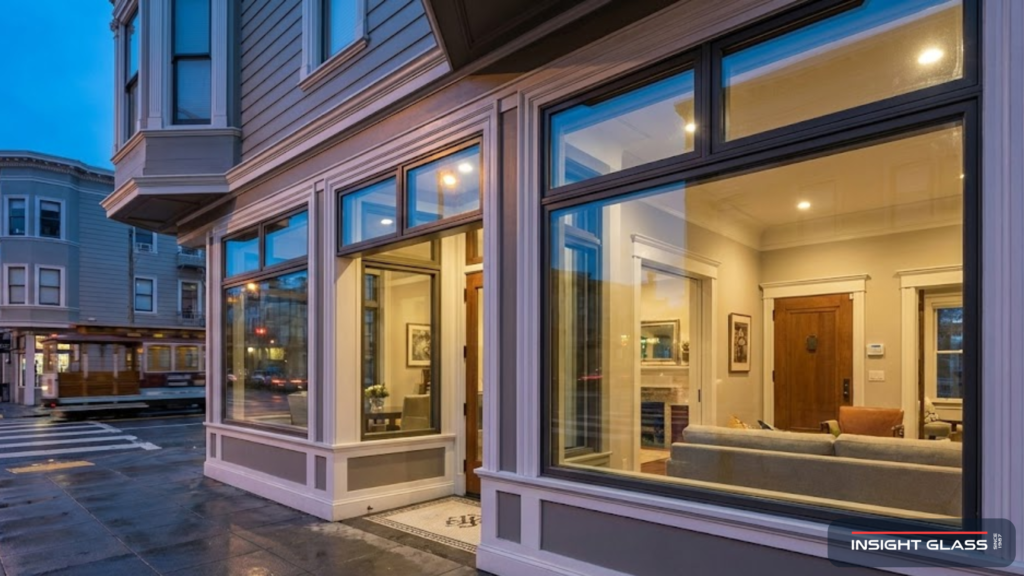
Burglary resistant windows use laminated safety glass that holds together when struck, preventing the quick smash-and-grab entries that make ground-floor San Francisco residences vulnerable to the 4,500+ annual residential burglaries reported across the city
Why Ground-Floor San Francisco Homes Need Enhanced Security
San Francisco’s urban density creates security challenges suburban homeowners never face. Ground-floor apartments, garden-level condos, and street-facing townhomes offer easy access for opportunistic burglars who can approach, break a window, and disappear into crowded sidewalks within minutes. Burglary resistant windows address this vulnerability by making forced entry so difficult and time-consuming that most criminals abandon attempts and move to easier targets.
Traditional windows shatter into dangerous shards with a single blow from a brick, hammer, or crowbar. The burglar clears remaining glass, climbs through, and begins ransacking your home—often completing the entire crime in under five minutes. Laminated safety glass SF installations completely change this equation. When struck, the glass may crack but stays intact, held together by polymer interlayers that prevent penetration.
This resistance buys critical time. Most burglars work under extreme time pressure, knowing that noise attracts attention and delays increase capture risk. When a window refuses to break cleanly, criminals typically flee rather than spend additional minutes trying to defeat security features while exposed on a public street.
Understanding Laminated Glass Construction
Laminated glass consists of two or more glass panes bonded with polymer interlayers—typically polyvinyl butyral (PVB) or ethylene-vinyl acetate (EVA). This sandwich construction fundamentally changes how glass responds to impact.
Standard tempered glass, while stronger than regular annealed glass, still shatters completely when broken. The fragments are smaller and less dangerous than sharp shards, but the window opening becomes completely unprotected. Tempered glass provides no burglary resistance despite its strength.
Laminated safety glass behaves completely differently. Impact creates cracks radiating from the strike point, but the interlayer holds glass fragments in place. Additional strikes create more cracks but don’t create an opening. The glass might eventually separate from the frame under sustained attack, but this takes considerable time and makes enough noise that most burglars won’t risk it.
The polymer interlayer thickness determines resistance levels. Standard laminated glass uses 0.030-inch interlayers primarily for safety—preventing injuries from accidental breakage. Security-grade laminated glass uses multiple interlayers totaling 0.090 inches or more, creating a strong barrier to forced entry.
Resistance Classes and What They Mean
European standards define resistance classes (RC) that rate burglar-proof windows based on how long they withstand specific attack methods. While not mandatory in the U.S., these classifications help homeowners understand protection levels.
RC2 windows resist opportunistic burglars using simple tools such as screwdrivers, pliers, or wedges for approximately 3 minutes. This level suits most residential ground-floor applications where the goal is to deter casual criminals rather than stop determined professional thieves.
RC3 windows withstand practiced burglars using crowbars and other lever tools for roughly five minutes. The increased resistance comes from thicker laminated glass and reinforced frames. San Francisco homeowners who store valuable collections or live in high-crime neighborhoods often specify RC3 for ground-floor windows and doors.
RC4 and higher classifications defend against power tools and sustained attacks lasting 10-20+ minutes. These heavy-duty systems typically appear in commercial settings, jewelry stores, or ultra-high-security residential applications. Most Bay Area homes don’t require this level of protection.
Shatterproof Window Film vs Glass: Understanding the Difference
Shatterproof window film vs glass comparisons reveal important distinctions. Security films applied to existing windows cost $8-$15 per square foot installed, compared to $50-$150 per square foot for laminated glass replacement. This price difference tempts budget-conscious homeowners, but performance gaps are significant.
Window films add a polyester layer to glass surfaces that holds fragments together after breakage. However, films don’t bond to glass as thoroughly as factory-laminated construction. Determined attackers can peel films from frames or break through film-covered glass faster than they can penetrate true laminated glass.
Films also require perfect installation. Bubbles, wrinkles, or incomplete edge adhesion compromise security. Professional installation improves results, but can’t match the integrated strength of laminated glass, where polymer layers are permanently bonded under heat and pressure during manufacturing.
That said, security films offer practical value for renters or temporary security improvements. Applied to existing windows, films provide moderate protection at a fraction of the cost of replacement. For permanent solutions in owned properties, laminated glass delivers superior long-term security.
Additional Benefits Beyond Security
City home security drives most laminated glass installations, but secondary benefits add value that purely security-focused products can’t match.
UV protection ranks high among these advantages. Laminated glass blocks 99% of ultraviolet radiation that fades furnishings, artwork, and flooring. Ground-floor San Francisco homes often receive direct sun exposure through street-facing windows. Over the years, UV damage has destroyed thousands of dollars in interior materials. Laminated glass preserves these investments while providing security.
Sound reduction matters tremendously in urban environments. The polymer interlayer in laminated glass dampens vibration transmission, reducing noise from traffic, pedestrians, and street activity. This acoustic performance achieves dedicated soundproof window installation without the extreme thickness required by specialized systems.
Some laminated glass configurations also offer modest fire resistance. While not equivalent to dedicated fireproof windows, the interlayer temporarily helps contain flames, potentially providing crucial extra minutes during emergencies. This matters in attached townhomes or multifamily buildings where fire can spread between units.
Frame and Hardware Requirements
Glass provides only partial security if frames and locks remain vulnerable. Burglar-proof windows require reinforced frames that resist prying, strong anchoring to wall structures, and multi-point locking systems.
Standard residential window frames use minimal fasteners to secure them to rough openings. Security installations require additional anchors—typically one every 12 inches along the perimeter, rather than just at the corners. These anchors must penetrate deep into wall framing, not just surface materials.
Frame material matters. Vinyl frames offer reasonable security in residential applications, but can be pried or broken more easily than metal frames. Aluminum frames with reinforced internal structures provide better security, especially when combined with concealed anchoring systems that can’t be accessed from outside.
Locking mechanisms must engage at multiple points. Single-point locks securing only one edge allow frames to be flexed or pried open. Multi-point locks engaging at three or more locations distribute force across the entire frame, preventing the localized stress that defeats single locks.
San Francisco-Specific Security Considerations
Ground-floor San Francisco properties face unique circumstances that shape security needs. Street-level retail spaces below apartments create public access that criminals exploit. Garden-level units with window wells offer concealed positions where burglars can work out of sight from street view. Corner buildings with windows on multiple exposures provide numerous potential entry points.
The city’s fog and frequent overcast conditions create darker environments where criminals feel less exposed than in sunny climates. This psychological factor may embolden opportunistic criminals who perceive a lower risk of detection.
Property crime rates vary dramatically across San Francisco neighborhoods. Tenderloin, South of Market, and certain Mission District areas experience higher burglary rates than Pacific Heights or Noe Valley. However, wealthy neighborhoods attract different criminals—professionals targeting high-value items rather than opportunists grabbing electronics.
Installation Considerations and Costs
Professional installation ensures security features function as designed. Improper installation creates vulnerabilities that negate expensive glass and framing investments. A qualified windows installation contractor experienced with security installations understands critical details that general contractors might miss.
Costs for burglary-resistant windows typically range from $500 to $1,500 per window for residential-grade installations, including materials and labor. Larger windows, thicker glass, or higher resistance ratings increase costs. Ground-floor window replacement projects for a typical San Francisco three-bedroom home might total $8,000-$15,000, depending on how many windows require upgrading.
For new construction windows installation, specifying laminated glass from the design phase adds minimal cost over standard installations—often just $150-$300 per window. This makes security features more affordable than retrofitting existing homes.
Maintenance and Long-Term Performance
Laminated glass requires no special maintenance beyond normal window cleaning. The polymer interlayer sits protected between glass panes, unexposed to environmental degradation. Quality laminated glass maintains security properties for the life of the window—typically 20-30 years in residential applications.
Check locks and hardware annually. Multi-point locking mechanisms use more moving parts than simple latches and benefit from occasional lubrication. Verify that all locking points engage properly and that no frame damage has occurred that might compromise security.
Protect Your Ground-Floor Home with Professional Security Glass
San Francisco ground-floor residences deserve protection that matches the city’s urban security challenges. Laminated safety glass provides proven burglary resistance while offering sound reduction, UV protection, and improved comfort.
Ready to enhance your home’s security? Work with experienced window replacement experts who understand urban security requirements. Insight Glass has installed thousands of security windows throughout San Francisco, from Marina district townhomes to Mission district apartments.
Our team helps homeowners assess vulnerability, select appropriate resistance levels, and specify complete systems, including proper framing and locking hardware. We understand San Francisco building codes and can coordinate installations in occupied buildings without disrupting your daily life.
Contact us to discuss security window solutions for your ground-floor property. We’ll evaluate your specific exposure, explain glass and framing options, and provide detailed proposals covering materials, installation, and expected performance. Stop worrying about break-ins—invest in proven protection that keeps your home and family safe.
Since 1987, Insight Glass has provided top-quality windows replacement or installation in the Bay Area.
Call 707-746-6571 for Expert Installation!
CONTACT US TO GET A FREE ESTIMATE!