Choosing the right window style affects your home’s comfort, energy bills, and curb appeal—especially in the Bay Area’s unique climate with coastal fog and temperature swings.
Understanding Window Styles for Your Home
Picking windows for your home means balancing function, appearance, and budget. The wrong choice can lead to higher energy bills, hard-to-clean glass, or rooms that feel dark and stuffy. The right types of windows bring in fresh air, cut heating costs, and make your space feel bigger.
Bay Area homeowners face specific challenges—salt air near the coast, intense sun in inland areas, and strict energy codes. This guide breaks down 12 common window styles so you can match the right design to each room in your home.
How Many Types of Windows Are There?
There are 10-12 primary operational window types, plus specialty shapes such as circles, triangles, and custom geometric designs. Each type opens differently—or doesn’t open at all—which affects ventilation, cleaning, and the amount of space you need around the window.
Here’s a quick breakdown of the most popular options:
Operable Windows (they open):
- Double hung windows
- Single hung windows
- Casement windows
- Awning windows
- Sliding windows
- Hopper windows
Fixed Windows (they don’t open):
- Picture windows
- Transom windows
Combination Styles:
- Bay windows
- Bow windows
What Are Fashioned Windows That Slide Up and Down Called?
These are called double-hung or single-hung windows. Double-hung models let both the top and bottom sashes move up and down. Single-hung windows only let the bottom sash move, while the top stays fixed.
These classic window styles dominated American homes from the 1800s through the mid-1900s. Modern versions now include tilt-in sashes for easy cleaning and better weatherstripping for energy efficiency.
Double Hung Windows: The Most Flexible Choice
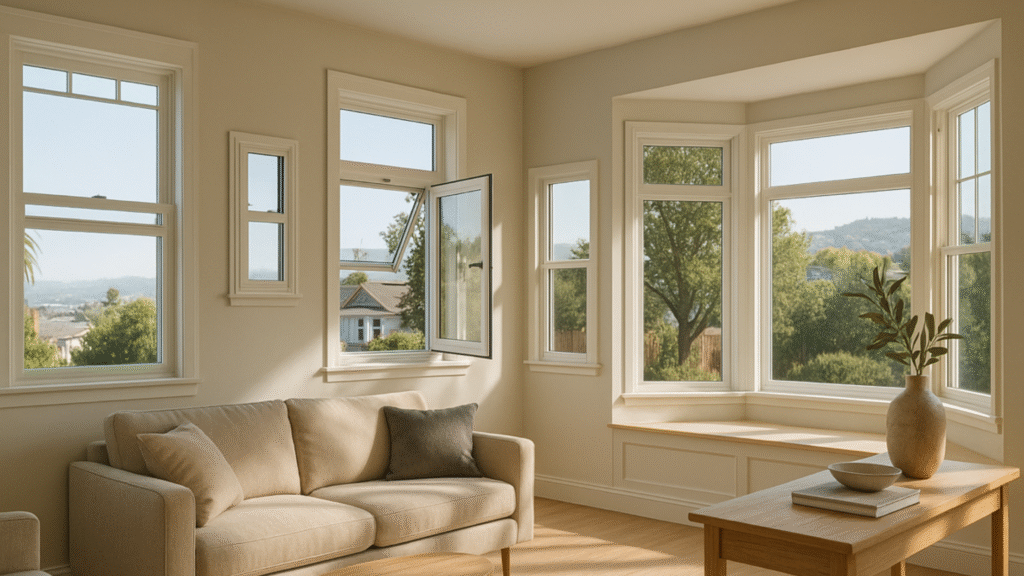
Double hung windows are the most common type in residential homes. Both sashes slide vertically, giving you control over airflow. Tilt both sashes inward to clean the outside glass from inside your home—perfect for second-story windows that are difficult to reach.
Best for: Bedrooms, living rooms, and any room where you want ventilation control
Energy efficiency: Medium to high (depends on glazing)
Maintenance: Low—tilting sashes make cleaning simple
Single Hung Windows: Budget-Friendly Traditional Style
Single-hung windows look like double-hung windows but cost less. Only the bottom sash moves. The top sash stays locked in place. You get decent ventilation but lose some flexibility.
Best for: Utility rooms, garages, budget-conscious projects
Energy efficiency: Medium
Maintenance: Moderate—outside cleaning requires a ladder
Casement Windows: Maximum Airflow and Visibility
Casement windows are hinged at the side and swing outward like a door. Turn a crank handle to open them 90 degrees or more. They catch side breezes better than vertical sliders and seal tightly when closed—great for Bay Area homes dealing with wind and fog.
Best for: Kitchens, living rooms, hard-to-reach spots above sinks
Energy efficiency: High—tight seal when closed
Maintenance: Low—easy to wipe down when open
Awning Windows: Top-Hinged Ventilation
Awning windows are hinged at the top and open outward from the bottom. Rain can’t get in when they’re open, so you can let in fresh air during the Bay Area’s winter drizzle. Many homeowners pair them with picture windows for a modern look.
Best for: Bathrooms, basements, coastal homes
Energy efficiency: Medium to high
Maintenance: Easy—wipe from inside
Sliding Windows: Simple and Space-Saving
Sliding windows glide horizontally on a track. One or both sashes move. They work well in tight spaces where you can’t swing a window outward. Modern designs include easy-lift tracks for smooth operation.
Best for: Hallways, small bedrooms, contemporary home styles
Energy efficiency: Medium
Maintenance: Clean tracks regularly to prevent sticking
Picture Windows: All About the View
Picture windows don’t open. They’re large panes of fixed glass designed to frame outdoor views and flood rooms with natural light. Pair them with operable windows on each side to get ventilation and a view.
Best for: Living rooms, dining rooms, spaces with scenic views
Energy efficiency: Very high—no moving parts means no air leaks
Maintenance: Very low—just wash the glass
Bay Windows and Bow Windows: Architectural Drama
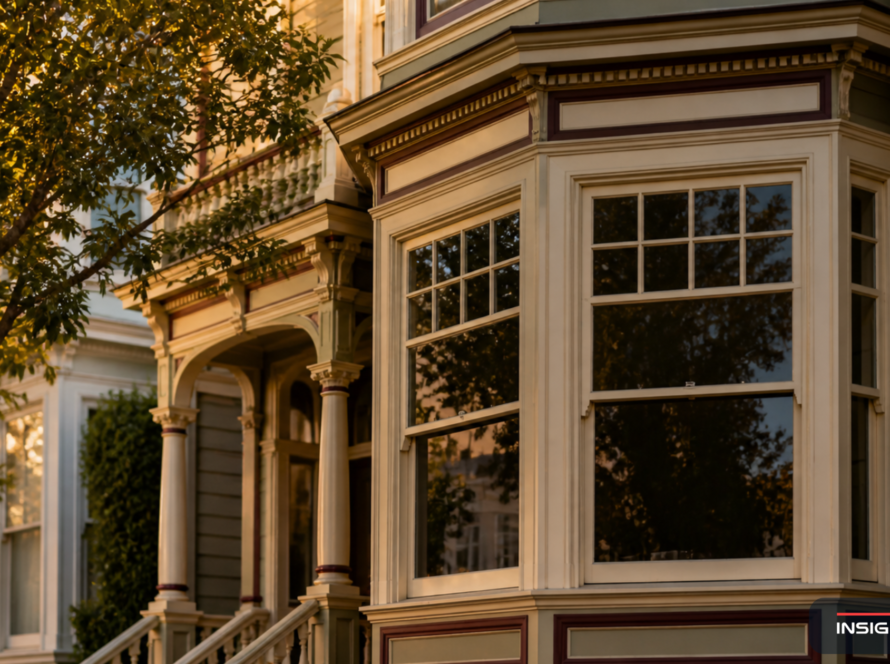
Bay windows project outward in three sections—usually a large center picture window with smaller double-hung or casement windows on the sides. Bow windows are similar but use four or more windows arranged in a gentle curve.
Both styles add floor space, create window seats, and give homes instant curb appeal. They’re popular in Victorian and Craftsman-style Bay Area homes.
Best for: Living rooms, dining rooms, master bedrooms
Energy efficiency: Medium (more glass = more heat transfer)
Maintenance: Moderate—extra panes to clean
Which Type of Windows Is Better?
It depends on what matters most to you:
For energy efficiency, Casement, picture, and awning windows seal tightly, reducing air leakage.
For easy cleaning: Double-hung windows with tilting sashes let you clean the outside glass from inside—no ladder needed.
For ventilation, Casement and awning windows catch side breezes. Sliding windows and double-hung models let you control airflow direction.
For curb appeal: Bay windows, bow windows, and picture windows make strong visual statements.
For tight budgets: Single-hung windows and basic sliding windows cost less than casement or specialty designs.
What Are Good Windows for a House?
Match window types to room functions:
Living rooms: Picture windows for views, double hung for airflow, or bay windows for drama
Kitchens: Awning windows above sinks, casement windows for side walls
Bedrooms: Double hung or casement windows for ventilation and natural light
Bathrooms: Awning windows for privacy plus fresh air, or hopper windows (hinged at bottom)
Basements: Hopper or egress windows for safety codes and light
Mixing window styles in one home is common. Just keep the window frames and exterior finishes consistent so your home looks cohesive from the street.
Energy Efficiency Features That Matter
The type of window affects energy bills, but so do these upgrades:
- Double or triple pane glass: Traps air between layers for insulation
- Low-E coatings: Reflect heat while allowing light through
- Argon gas fill: Better insulation than plain air
- Quality weatherstripping: Stops drafts around moving sashes
Energy-efficient windows pay for themselves over 7-12 years through lower heating and cooling costs. Many Bay Area utilities offer rebates for Energy Star-certified installations.
Window Frame Materials at a Glance
Vinyl: Low cost, low maintenance, good insulation
Wood: Classic look, excellent insulation, needs repainting
Aluminum: Slim frames, modern style, conducts heat
Fiberglass: Strong, stable, higher price point
Composite: Wood-like appearance, low maintenance
Most Bay Area homes use vinyl for value or wood for traditional aesthetics.
Make Your Window Selection With Confidence
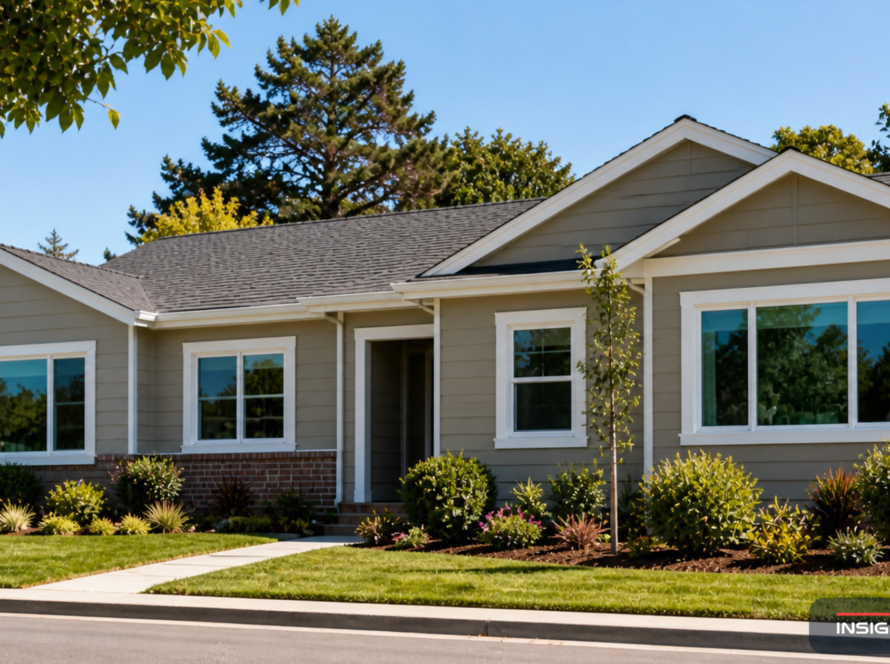
Start by walking through your home, room by room. Note which spaces feel stuffy, dark, or drafty. Consider your home’s architectural style—Tudor homes look odd with modern sliders, while ranch houses suit horizontal lines.
Get multiple quotes comparing window styles, frame materials, and glass packages. Check warranties carefully. Quality window replacement improves comfort and resale value.
Insight Glass has helped Bay Area homeowners choose the right types of windows since 1987. We match window styles to your home’s needs, your budget, and local building codes.
Talk to a Bay Area window expert about which window styles work best for your home—request your free estimate today.
Since 1987, Insight Glass has provided top-quality windows & patio doors in the Bay Area.
Call 707-746-6571 for Expert Installation!
CONTACT US TO GET A FREE ESTIMATE!