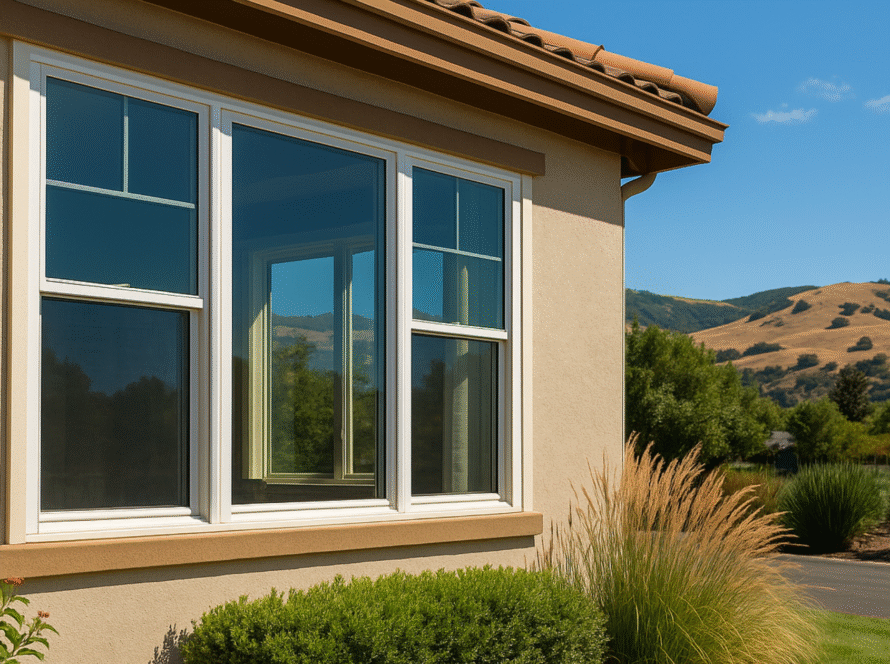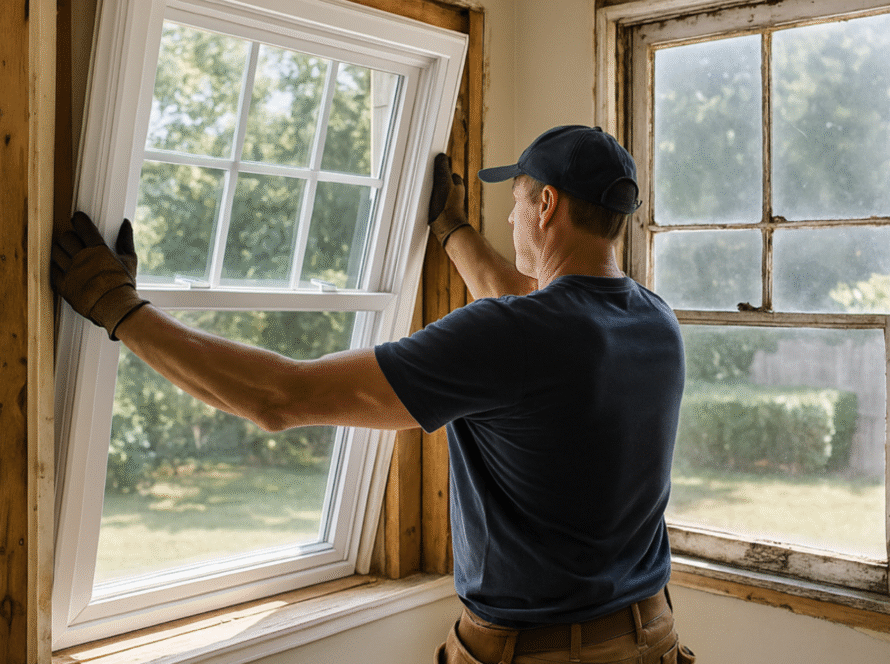

Home window replacement San Francisco is not the same as in the suburbs. The city’s residential architecture is unlike anything else in the San Francisco Bay Area: dense blocks of Victorians, Edwardians, Queen Annes, and early-20th-century row houses, many with bay windows, arched transoms, and openings that don’t conform to any modern standard. If you own one of these homes, you already know that nothing about them is off-the-shelf. Your windows are no exception.
This guide is for SF homeowners in older homes, not tract houses in the suburbs. The challenges are different. The stakes are higher. The margin for error is smaller. Get the window replacement right, and you gain better energy performance, more comfort, and stronger long-term value, all without losing the character that makes these homes worth owning. Get it wrong, and you end up with windows that look cheap, perform poorly, or create permit headaches with the city.
Here’s what you need to know before you start.
Why Standard Stock Windows Don’t Work in Most SF Homes
Walk into any big-box home improvement store, and you’ll find rows of standard-sized replacement windows. They work fine for homes built on a production line, subdivisions where every window opening was framed to the same spec. San Francisco’s older homes weren’t built that way.
Victorian and Edwardian homes were constructed by individual builders, often by hand, with openings sized to the specific design of each house. Bay windows project outward at custom angles. Transoms sit above doors at heights that don’t match modern specifications. Double-hung windows in a single home can vary by a quarter inch from room to room. And after a century of settling, the rough openings behind the trim are rarely square.
A good installer will measure each opening individually, inspect the condition of the rough framing, and order windows built to the exact size needed. It takes more time up front. But it’s the only way to get a result that works well and looks right.
Bay Windows: San Francisco’s Signature and Biggest Challenge
Bay windows are the defining architectural feature of San Francisco’s residential streetscape. They project outward from the facade, capture light from multiple angles, and create the visual rhythm that makes entire neighborhoods recognizable from blocks away.
They’re also the most complex window replacement you can do on a residential home.
A bay window isn’t a single unit. It’s an assembly of interconnected components. The angled side panels, the center pane, the structural header above, the seat below, and the exterior trim all function as a system. When one component fails, the rest are compromised. You can’t just swap the glass and call it done.
This is specialized work. Not every window company has experience with bay window assemblies, and the consequences of a poor installation (water intrusion, air leaks, structural issues) are more severe than with a standard flat window opening. Ask your installer specifically about their experience with bay windows before signing anything.
Own a Victorian or Edwardian home in San Francisco? Get a free, no-obligation window assessment from an installer who specializes in older SF homes and bay window assemblies.
Call 707-746-6571Historic Districts and the SF Planning Department
San Francisco has many historic districts. If your home is in one of the areas (Pacific Heights, Alamo Square, the Castro, Haight-Ashbury, and others), changes to the exterior may require review by the SF Planning Department. That includes windows.
The city’s rules for window replacement in historic buildings lean toward repair first. When replacement is needed, the new windows should match the originals in material, profile, and operation. This doesn’t mean you can’t upgrade to modern, energy-efficient glass. It means you have to be more careful about what you choose.
If your home isn’t in a historic district, you have more freedom. But even outside of those areas, choosing windows that respect the original design protects your home’s value and the look of the street it sits on.
Permits: When You Need One and When You Don’t
In San Francisco, like-for-like window replacements (same size opening, same window type) generally don’t require a building permit from the SF Department of Building Inspection (DBI). If you’re replacing a double-hung window with a new double-hung window in the same opening, you’re typically fine without a permit.
However, if you’re changing the size of the opening, converting a window type (e.g., double-hung to casement), or adding a new window where one didn’t exist, a permit is likely required. Structural changes to bay window assemblies may also trigger permit requirements depending on the scope of work.
Fog, Wind, and Why Energy Performance Matters More in SF
San Francisco’s climate is about heating, not cooling. The fog, especially in the Sunset, Richmond, and Outer Mission, keeps the city cool well into what the rest of California calls summer. The ocean winds that blow through the western side of the city push air through every gap and bad seal in your windows.
This makes window performance a big deal. Two metrics matter most for SF homes. The U-factor tells you how well a window keeps heat in. Air infiltration resistance tells you how tightly it seals when closed.
Modern double-pane windows with Low-E coatings and argon gas fills perform far better than the single-pane or failed double-pane glass in most older SF homes. On the rare warm days, you want that sun working for you, not blocked by glass designed for hot inland climates.
What the Right Installer Brings to the Table
SF window replacement needs an installer who gets three things at once: how older homes are built, what the city’s climate demands from a window, and how permits and historic review work.
That’s a narrower skill set than most people think. A company that does good work on suburban homes may not know how to handle a Victorian bay window in the Western Addition or a Queen Anne in Noe Valley.
At Insight Glass, we’ve been working on homes in the San Francisco Bay Area since 1987. We’ve handled window replacement projects across the city, from the fog-battered row houses in the Sunset to the ornate Victorians in Pacific Heights. We understand the custom sizing requirements, the bay window structural considerations, and the performance specifications that SF’s unique climate demands.
Does Your SF Home Need Window Replacement?
The Bottom Line
Home window replacement in San Francisco is a more involved project than in most cities. Custom sizing, bay window assemblies, historic district requirements, and climate-specific glass specifications all add layers of complexity that generic window companies aren’t equipped to handle.
But that’s exactly why getting it right matters. New windows that fit well, seal tight, and respect the look of your home will make it more comfortable, cut your heating costs, and protect the value of a property that’s worth protecting.
The federal Inflation Reduction Act gives you a 30% tax credit (up to $600 per year) for qualifying energy-efficient windows through 2032. Claim it on IRS Form 5695. If your windows are past their prime, the timing is right.
Your home has stood for a hundred years or more. The right windows will help it stand for a hundred more: warmer, quieter, and more efficient than the originals ever were.
Since 1987, Insight Glass has provided top-quality windows replacement or installation in the Bay Area.
Call 707-746-6571 for Expert Installation!
CONTACT US TO GET A FREE ESTIMATE!