


Semi-Frameless Glass Railings for San Francisco Bay Area Properties
Balance modern glass aesthetics with practical structural support through custom semi-frameless railing systems. Mid-range pricing with transparent panels and minimal metal framing for decks, balconies, stairs, and pool enclosures throughout Oakland, San Jose, Berkeley, and the entire Bay Area.
Trusted Glass & Hardware Partners for Railing Systems


What Are Semi-Frameless Glass Railings?
Semi-frameless glass railings combine transparent glass panels with minimal metal framing, creating a modern aesthetic that balances the premium transparency of frameless systems with the practical support and accessible pricing of traditional framed railings. Unlike fully frameless designs that use only glass and discrete mounting hardware, or completely framed systems that surround glass with extensive metal framework, semi-frameless configurations employ strategic frame placement at key structural points while leaving glass largely exposed for contemporary visual appeal. This hybrid approach delivers modern glass transparency at mid-range pricing, providing structural advantages for challenging installations while maintaining the clean, open look that defines contemporary Bay Area architecture. The balanced design makes semi-frameless railings a practical choice for property owners seeking modern glass aesthetics without the premium investment or engineering complexity of fully frameless systems.
Key features of semi-frameless glass railing systems include flexible glass thickness specifications ranging from 3/8-inch for configurations with substantial frame support to 1/2-inch for designs minimizing visible metal components. Strategic frame placement positions aluminum or stainless steel posts and rails where engineering requires structural support—typically at panel edges, corners, or intermediate spans—while leaving glass surfaces unobstructed for transparency and light transmission. Post spacing generally runs 4-6 feet, depending on glass thickness, wind loads, and local code requirements, with vertical supports providing the structural backbone without creating the continuous framing that characterizes traditional railed systems. Hardware visibility remains moderate, with frames and posts available in various finishes, including powder-coated aluminum, stainless steel, and bronze anodized options that coordinate with architectural styles. Tempered safety glass meeting California building codes provides standard specifications, with laminated options available for coastal exposures, commercial installations, or high-wind locations requiring enhanced performance.
Semi-frameless glass railings are ideal for Bay Area properties seeking modern glass aesthetics at accessible pricing, below that of premium frameless systems. Budget-conscious homeowners throughout Oakland, Berkeley, and San Jose achieve contemporary transparency without the $200-400-per-linear-foot costs that frameless configurations command, making semi-frameless options practical for larger deck projects or multi-family properties requiring modern design across multiple units. Installations requiring extra structural support benefit from frame components that provide stability in challenging conditions, including high wind exposure, non-standard configurations, or substrates that require additional mounting options beyond what minimal frameless hardware accommodates. Coastal properties from Pacifica to Half Moon Bay use semi-frameless systems where frame support helps resist persistent winds while maintaining transparency, and commercial buildings requiring durable, code-compliant railings find the balanced approach delivers contemporary aesthetics with robust structural performance at reasonable costs for extensive linear footage.

Why Install Semi-Frameless Glass Railings?

Semi-frameless glass railings offer practical advantages, making them preferred choices for Bay Area properties seeking modern glass transparency without the premium costs or engineering complexity of fully frameless systems. These versatile railing configurations balance contemporary aesthetics with structural reliability, providing transparent barriers that enhance property value while addressing budget considerations, installation challenges, and performance requirements that make fully frameless or traditional-framed options less suitable. Understanding these benefits helps property owners determine when semi-frameless designs offer optimal combinations of style, support, and value for their specific needs.
Key Benefits:
- Balance of Style and Support – Semi-frameless systems combine transparent glass panels with strategic metal framing, delivering contemporary aesthetics that satisfy modern design preferences while providing structural support for installations where fully frameless configurations would require expensive engineering or face challenging conditions that minimal hardware cannot adequately address.
- Mid-Range Pricing – Installations typically cost $125-250 per linear foot, positioned between premium frameless systems ($200-400) and basic fully framed railings ($100-175), making semi-frameless options accessible for larger Bay Area deck projects, multi-family properties requiring modern design across multiple units, and budget-conscious homeowners seeking contemporary glass transparency without top-tier investment.
- Enhanced Structural Stability – Strategic frame placement at posts, edges, and intermediate spans provides robust support for challenging installations, including high-wind coastal locations, non-standard configurations, older deck structures requiring additional mounting options, and commercial properties needing durable systems that withstand heavy use while maintaining code compliance throughout their service life.
- Good View Preservation – Glass panels maintain substantial transparency and light transmission while minimizing frame visibility at structural points, preserving important Bay Area views of the ocean, bay, hills, and city skylines without the complete unobstructed transparency that justifies premium frameless pricing or the extensive metal components that characterize traditional fully framed railing systems.
- Flexible Glass Options – Frame support allows thinner 3/8-inch tempered glass in some configurations, reducing material and weight costs compared to the 1/2-inch thickness required by frameless systems, while still accommodating 1/2-inch specifications for designs that minimize frame visibility or meet specific structural requirements for larger spans or higher wind exposures throughout Bay Area installations.
- Easier Installation – Simplified engineering requirements, straightforward mounting to various substrates, and reduced precision demands compared to frameless systems make semi-frameless railings practical for more contractors, shorten installation timelines, and reduce complexity that could extend project schedules or increase labor costs for Bay Area properties with tight construction windows or challenging site access.
- Coastal Wind Resistance – Frame components provide a structural backbone, helping withstand persistent Bay Area coastal winds, salt air exposure, and weather conditions that stress purely glass-dependent frameless systems, making semi-frameless configurations reliable choices for waterfront properties from San Francisco to Half Moon Bay, where wind loads and corrosion resistance drive material selection decisions.
- Property Value Enhancement – Modern semi-frameless glass railing upgrades increase Bay Area home values by adding contemporary design features that appeal to buyers seeking glass transparency and open aesthetics, delivering significant improvements over traditional wood or metal railings without the premium investment that fully frameless systems require for properties where value optimization balances design aspirations with budget realities.
These combined benefits position semi-frameless glass railings as practical solutions for Bay Area properties where modern glass aesthetics, structural reliability, and mid-range pricing create optimal value propositions. From coastal decks requiring wind-resistant support to commercial properties seeking durable contemporary design, semi-frameless systems deliver the transparency and modern appeal that traditional railings lack, while offering practical advantages and accessible pricing that make them sensible alternatives to premium frameless configurations throughout Oakland, Berkeley, San Jose, and surrounding Bay Area communities.
Where to Install Semi-Frameless Glass Railings
Semi-frameless glass railings excel in specific settings where combining glass transparency with structural frame support addresses practical requirements that fully frameless or traditional framed systems cannot optimally satisfy. Understanding where semi-frameless configurations deliver maximum value helps Bay Area property owners make informed decisions about railing installations that balance modern aesthetics, structural reliability, and budget considerations. These installations showcase semi-frameless systems that offer a balanced approach—contemporary glass transparency with practical metal support—creating optimal solutions for diverse property types, exposure conditions, and financial parameters.

Coastal Deck
Properties along the Bay Area coast from Pacifica to Half Moon Bay benefit from semi-frameless glass deck railings, where frame components provide structural support that resists persistent ocean winds. In contrast, glass panels maintain water views that make coastal locations valuable. The metal posts and rails offer robust anchoring for wind loads that would stress purely frameless systems relying solely on minimal hardware. At the same time, the transparent glass infill preserves sightlines to beaches, waves, and sunsets that justify waterfront property values. Frame support becomes particularly important for elevated decks, second-story installations, and properties exposed to direct ocean winds, where engineering calculations show that fully frameless configurations would require expensive laminated glass and complex mounting details to achieve equivalent wind resistance at higher cost.
Marine-grade aluminum frames with powder coating or stainless steel components resist salt-air corrosion that affects coastal installations, providing long-term durability without the rust and deterioration that plague standard metal railings in Bay Area coastal zones. The combination of corrosion-resistant framing with tempered glass creates systems that withstand fog, salt spray, and moisture exposure while maintaining appearance and structural integrity for decades of service. Perfect for waterfront homes requiring wind-resistant protection, coastal properties where budget constraints make fully frameless systems impractical, and installations where frame support provides peace of mind for challenging exposure conditions while preserving the modern glass aesthetics that complement contemporary coastal architecture.

Multi-Family Properties
Apartment complexes, condominiums, and townhome developments throughout Oakland, Berkeley, and San Jose use semi-frameless glass railings to deliver modern aesthetics across multiple balconies and deck areas without the premium per-unit costs that fully frameless systems would demand for extensive linear footage. The mid-range pricing makes contemporary glass railings feasible for property owners and developers installing railings across dozens or hundreds of units, where cumulative costs become significant factors in material selection and budget allocations. Semi-frameless systems provide a uniform, modern appearance throughout properties, enhancing curb appeal and tenant satisfaction with transparent barriers that improve natural light and views, compared to traditional opaque railings that would darken balconies and obstruct sight lines.
The enhanced structural stability provided by frame components proves valuable for multi-family properties experiencing higher traffic, varied user behaviors, and maintenance demands created by intensive residential use, compared to single-family homes with more controlled usage patterns. Frames provide durability for installations that may be impacted, subjected to climbing attempts by children, or treated differently by tenants who may not maintain railings as carefully as homeowners protecting personal investments. Easier installation compared to frameless systems benefits multi-family projects with tight construction schedules, multiple installation crews, or coordination requirements across significant developments, where simplified engineering and straightforward mounting procedures help keep projects on schedule and within budget.
Ideal for new construction developments seeking contemporary design at manageable costs, property renovations upgrading aging balcony railings to modern standards, and any multi-family project where delivering glass transparency across numerous units requires balancing aesthetics with practical considerations of budget, durability, and installation efficiency throughout Bay Area residential developments.
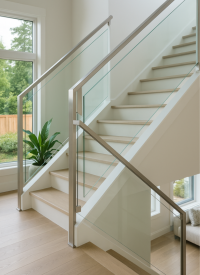
Commercial Installations
Commercial properties throughout the Bay Area, including office buildings, retail centers, restaurants, and hotels, use semi-frameless glass railings that combine durability, code compliance, and contemporary design in public spaces that require robust barrier systems with modern aesthetics. The frame components provide structural support that meets stringent commercial building codes for guardrail strength, redundant load paths, and safety factors, which fully frameless systems achieve only through expensive engineering and premium materials. Metal posts and rails offer practical mounting solutions for diverse commercial substrates, including steel structures, concrete slabs, and composite decking materials common in commercial construction, where substrate conditions vary significantly from residential wood deck framing.
Commercial installations benefit from semi-frameless systems, which offer balanced aesthetics that look modern and professional without the premium costs that fully frameless configurations would impose on projects with extensive linear footage, multiple levels, or tight budget constraints typical in commercial construction. The transparent glass maintains open sightlines, important for retail visibility, restaurant dining areas, and office environments where natural light and views enhance customer experiences and employee satisfaction. Frame support addresses commercial durability requirements for railings that may experience higher traffic volumes, varied user behaviors, and maintenance demands unique to public spaces compared to residential properties with controlled access and careful usage patterns.
Perfect for rooftop restaurant dining areas throughout San Francisco requiring wind-resistant barriers preserving city views, retail mezzanines in Oakland and Berkeley needing code-compliant guardrails with modern transparency, office building balconies and terraces in San Jose enhancing outdoor amenity spaces, and any commercial property where semi-frameless systems deliver the optimal combination of durability, contemporary design, code compliance, and manageable costs for business-focused construction budgets.

Budget-Conscious Residential
Homeowners throughout the Bay Area seeking modern glass railing aesthetics at accessible pricing find semi-frameless systems provide contemporary transparency without the $200-400 per linear foot costs that fully frameless configurations demand. The mid-range pricing makes glass railings feasible for larger deck projects where 30-50 linear feet of railing would create substantial cost differences between semi-frameless and premium frameless installations. Budget-conscious homeowners achieve significant aesthetic upgrades over traditional wood or metal railings that would cost less but lack the modern glass transparency and open design that enhance property appeal and outdoor living experiences.
Semi-frameless systems deliver excellent value propositions for renovations, replacing aging deck railings where budgets accommodate modern upgrades but cannot stretch to premium frameless specifications. Contemporary glass transparency satisfies homeowners’ desires for open, light-filled outdoor spaces, while strategic frame components provide structural reliability and installation simplicity, keeping projects within financial parameters. Properties throughout Oakland, Berkeley, and San Jose benefit from semi-frameless options, making modern railing designs accessible to a broader range of homeowners, not just those in luxury properties that command premium material budgets.
The balanced approach works particularly well for primary residences where homeowners plan extended occupancy justifying modern upgrades that enhance daily living without requiring maximum premium investments, investment properties where cost-effective improvements increase rental appeal and property values while maintaining reasonable renovation budgets, and any residential project where achieving contemporary glass aesthetics within mid-range budgets creates optimal combinations of design quality and financial responsibility for Bay Area homeowners prioritizing both aesthetics and practical financial planning.

High-Wind Locations
Properties throughout the Bay Area’s hilltops, ridgelines, and exposed locations experiencing persistent or extreme wind conditions benefit from semi-frameless glass railings, where frame support provides a structural backbone, withstanding wind loads that would require expensive engineering solutions or premium laminated glass specifications in fully frameless configurations. The metal posts and rails offer robust wind resistance through continuous structural elements that distribute loads across entire railing runs rather than concentrating forces at discrete mounting points that minimal frameless hardware must address. This structural advantage becomes critical for installations facing direct wind exposure, where building positions, surrounding terrain, or elevation create challenging conditions that affect railing performance and code compliance.
Engineering calculations for high-wind locations often show that semi-frameless systems meet required load specifications using standard tempered glass and economical aluminum or steel framing. In contrast, equivalent frameless installations would require thicker laminated glass, more robust mounting hardware, and complex engineering verification, significantly increasing costs. The frame support allows property owners to achieve transparent glass railings in challenging locations without the premium investment required by fully frameless systems to achieve equivalent wind resistance and structural performance. Properties at elevation throughout Oakland Hills, Berkeley Hills, and Peninsula communities that face consistent winds benefit from frame-supported systems that provide reliable protection without compromising glass transparency, preserving views, which justify hillside property locations.
Ideal for ridge-top homes throughout the Bay Area hills, properties in wind tunnel areas created by surrounding topography or building configurations, coastal installations experiencing direct ocean wind exposure beyond typical shoreline conditions, and any location where wind engineering shows that frame support creates more practical and economical solutions than minimal hardware approaches that fully frameless systems employ for meeting structural requirements in challenging exposure conditions.
Each installation type demonstrates where semi-frameless glass railings deliver optimal combinations of transparency, structural support, and value that neither fully frameless nor traditional framed systems can match for specific Bay Area property conditions and requirements. Insight Glass designs semi-frameless systems that address coastal exposure, commercial durability, budget constraints, and wind resistance, while maintaining contemporary glass aesthetics that make these railings valuable upgrades for residential and commercial properties throughout San Francisco, Oakland, Berkeley, San Jose, and the surrounding Bay Area.
Semi-Frameless Frame Configurations and Designs
Semi-frameless glass railing systems offer multiple frame configurations that strategically position metal components to provide structural support while maximizing glass visibility. Each configuration approach delivers distinct advantages for different structural conditions, aesthetic preferences, and Bay Area installation requirements, including wind loads, substrate types, and budget parameters. Understanding these frame designs helps property owners select configurations that balance contemporary glass transparency with practical metal support for their specific deck, balcony, stair, or commercial railing project.

Perimeter Frame Systems
Perimeter frame configurations surround glass panels with aluminum or stainless steel framing along all four edges, creating complete enclosures that provide maximum structural support while maintaining transparent glass centers. The continuous frame captures glass panels within metal channels or clips, distributing loads evenly across entire perimeters rather than concentrating forces at discrete mounting points. This approach delivers robust support for challenging installations, simplifies mounting across various substrate types, and provides protective edges that prevent direct contact with sharp glass edges. Frame profiles typically measure 1-2 inches wide, creating visible borders around glass panels while leaving substantial transparent areas for views and light transmission.
Perimeter framing works particularly well for commercial properties requiring maximum durability and code-compliant redundancy, older deck structures where comprehensive frame support compensates for substrate limitations, and installations where complete edge protection reduces liability concerns or maintenance requirements. The continuous frame approach provides excellent wind resistance for Bay Area coastal properties, accommodates non-standard panel sizes through custom frame fabrication, and offers straightforward installation procedures that reduce complexity compared to minimal hardware approaches. Frame materials in powder-coated aluminum provide economical corrosion resistance with various color options. At the same time, marine-grade stainless steel specifications suit coastal exposures from Pacifica to Sausalito, which require premium salt-air protection.
Bay Area building officials readily approve perimeter frame systems for their apparent structural redundancy and straightforward load paths, making permit processes and inspections more predictable than configurations using minimal support components. The design accommodates thermal expansion and seismic movement through appropriate gasket specifications and frame-to-glass clearances, preventing stress concentrations during temperature changes or earthquakes. Ideal for commercial railings throughout San Francisco and Oakland, budget-conscious residential projects seeking maximum value and durability, and any installation where comprehensive frame support addresses practical requirements while maintaining contemporary glass transparency that traditional solid railings cannot provide.

Post-and-Panel Systems
Post-and-panel configurations use vertical metal posts positioned at 4-6 foot intervals with glass panels secured between posts as transparent infill, creating the most common semi-frameless design throughout Bay Area residential and commercial properties. The posts provide structural support, carrying horizontal loads to the deck or floor substrates. At the same time, glass panels fill the spaces between posts, maintaining transparency and modern aesthetics without the need for continuous horizontal rails that would create additional visual barriers. Post designs include surface-mounted bases attaching to deck tops, fascia-mounted configurations securing to deck edges, or core-mounted installations inserting into deck structures, accommodating various substrate conditions and architectural preferences throughout Bay Area construction.
This configuration delivers excellent versatility for different span requirements, substrate types, and aesthetic visions, making it adaptable to diverse residential and commercial installations across the region. Post spacing is adjusted based on glass thickness, wind loads, and engineering requirements, with closer spacing for thinner glass or higher exposure conditions, and wider spacing for robust 1/2-inch panels in protected locations. The approach allows mixing glass panel sizes, incorporating gates or access points, and creating custom configurations for non-standard deck layouts, corners, or architectural features that require flexible railing solutions. Optional cap rails along panel tops provide handrail functionality and additional glass support, while open-top configurations maximize transparency for installations prioritizing unobstructed views.
Bay Area installations benefit from post-and-panel flexibility, accommodating hillside properties with varying elevations, wrap-around decks requiring multiple direction changes, and renovations where existing substrate conditions limit mounting options available for continuous frame systems. Posts in square or round profiles coordinate with architectural styles from contemporary to traditional, while finish options, including brushed stainless steel, powder-coated aluminum, and bronze anodized selections, match existing building elements throughout Oakland, Berkeley, and San Jose properties. The design provides practical solutions for deck stairs, including posts that accommodate angled railing runs, landings requiring direction changes, and transitions between different railing heights, meeting California building code requirements for residential and commercial guardrail specifications.

Top and Bottom Rail Only
Top and bottom rail configurations use horizontal frame members along the glass panel’s upper and lower edges, without vertical posts between panels, creating minimal horizontal framing that maximizes unobstructed vertical sightlines. The continuous rails secure glass panels within channels or clips running the entire length of the railing, providing structural support and load distribution while eliminating intermediate vertical components that would interrupt views across deck or balcony expanses. Top rails typically serve dual purposes as protective cap rails and structural members, while bottom rails, or base shoes, secure glass bases to mounting surfaces. This design creates cleaner visual lines than post-and-panel systems, approaching frameless aesthetics while maintaining practical frame support along horizontal edges.
The configuration works particularly well for straight railing runs where continuous horizontal support addresses structural requirements without posts interrupting transparency, installations prioritizing unobstructed horizontal views across landscapes or water, and designs seeking minimalist framing approaching frameless aesthetics at more accessible pricing. Glass panels in this system typically require 1/2-inch thickness for adequate rigidity spanning between mounting points along rail lengths. However, engineering may allow 3/8-inch specifications for shorter runs or protected exposures. The continuous rail approach simplifies seismic design by providing flexible connections accommodating building movement without concentrating stresses at discrete post locations, making it suitable for Bay Area properties where earthquake considerations affect railing engineering.
Bay Area deck installations benefit from top and bottom rail systems where deck edges provide solid mounting substrates for continuous base rails, architectural designs emphasize horizontal lines that complement modern or mid-century aesthetics, and properties seek glass transparency approaching a frameless appearance while accepting minimal horizontal framing visibility. The design accommodates curved railing runs through custom rail fabrication, integrates gates and access points with careful engineering to maintain structural continuity, and coordinates with cap rail materials, including wood, composite, or metal options, matching deck finishes throughout Oakland, Berkeley, and Peninsula communities. Installation complexity lies between simple post-and-panel systems and complex fully frameless mounting, making this configuration practical for skilled contractors throughout the region while delivering aesthetics that exceed traditional framed railing.

Corner Post Configurations
Corner post configurations position vertical posts strategically at corners, direction changes, and key structural points while minimizing intermediate posts along straight runs, creating systems that balance structural efficiency with maximized transparency between support locations. This approach concentrates frame components where engineering requires robust support—such as 90-degree corners carrying loads from multiple directions, transitions between different elevations or railing heights, and termination points where railings end at buildings or stairs. The strategic post placement allows glass panels to span greater distances along straight sections while ensuring adequate support at locations experiencing the highest structural demands from wind loads, user impacts, or geometric configurations that create stress concentrations.
The design delivers an optimized balance between frame visibility and structural performance, using posts only where necessary rather than at uniform intervals regardless of actual engineering requirements. This thoughtful approach reduces material costs compared to conventional post spacing, improves transparency along railing lengths between support points, and creates more sophisticated aesthetics reflecting engineering rather than arbitrary post placement. Glass panels may vary in width, accommodating longer spans between corner posts and shorter sections near structural terminations, with engineering calculations verifying each configuration meets load requirements without excessive deflection or safety concerns.
Bay Area properties with L-shaped decks, wrap-around balconies, or multi-directional railing runs benefit from corner post configurations that concentrate support at geometric transitions while maximizing transparency along straight sections, preserving views. The approach works particularly well for contemporary architecture, emphasizing clean lines and minimal interruption, installations where building corners or architectural features provide logical structural anchor points, and renovations where existing deck construction or substrate conditions make strategic post placement more practical than uniform spacing throughout railing runs. Posts at corners also provide convenient mounting locations for lighting fixtures, planters, or other deck accessories, creating functional integration beyond pure railing support.
Ideal for properties throughout San Francisco, Oakland, and San Jose, where thoughtful engineering creates optimized frame configurations, installations seeking sophisticated semi-frameless aesthetics approaching frameless transparency while maintaining practical support, and any project where strategic frame placement demonstrates attention to both structural performance and visual refinement that distinguishes premium semi-frameless installations from basic framed railing applications.
Each frame configuration addresses different structural requirements, aesthetic priorities, and installation conditions while maintaining the core semi-frameless principle of balancing glass transparency with practical metal support. Insight Glass engineers evaluate your specific property conditions, deck layout, substrate types, and design preferences to recommend optimal frame configurations that deliver contemporary aesthetics while ensuring structural adequacy, code compliance, and long-term performance throughout Bay Area climate conditions, including coastal exposure, seismic activity, and wind loads affecting railing installations across residential and commercial properties.
Glass and Hardware Options for Semi-Frameless Railings
Semi-frameless glass railing systems offer flexible glass and frame finish selections that balance performance requirements, aesthetic preferences, and budget considerations. The frame support enables thinner glass options and various transparency levels while maintaining structural adequacy. In contrast, frame finishes must coordinate with architectural styles, withstand the Bay Area’s environmental conditions, and maintain appearance over decades of service. Understanding these options helps property owners create semi-frameless installations that meet California codes, withstand regional climate challenges, and deliver contemporary aesthetics at mid-range pricing.
Glass Types for Semi-Frameless Railings

3/8″ Tempered Glass
Three-eighths-inch tempered safety glass meets economical specifications for semi-frameless railings, where frame support reduces structural demands on glass panels compared to frameless systems that require thicker material. The frame components carry significant loads and provide intermediate support, allowing thinner glass that reduces material costs, panel weight, and overall system pricing while maintaining code-compliant safety characteristics. The tempering process heat-treats glass, creating strength adequate for residential spans with frame backing, ensuring breakage produces small, relatively blunt fragments rather than dangerous shards. This thickness works well for post-and-panel configurations where posts at 4-6 foot intervals provide support, perimeter frame systems where continuous edges distribute loads, and installations prioritizing budget efficiency over maximum transparency that thicker glass specifications would provide.
Bay Area residential projects benefit from 3/8-inch specifications, reducing costs for larger deck installations where 30-50 linear feet of railing creates meaningful savings compared to 1/2-inch glass requirements, multi-family properties installing railings across numerous balconies where cumulative material costs impact project budgets significantly, and renovations replacing aging railings where economical modern upgrades satisfy aesthetic goals within financial parameters. The thinner glass maintains excellent transparency for views and light transmission, and its subtle difference in thickness remains largely imperceptible to casual observation compared to premium 1/2-inch specifications. Ideal for budget-conscious residential installations throughout Oakland, Berkeley, and San Jose, properties where frame support makes thinner glass practical, and projects prioritizing cost efficiency while maintaining contemporary glass transparency.

1/2″ Tempered Glass
Half-inch tempered safety glass is the standard specification for semi-frameless railings that require greater span capabilities, enhanced wind resistance, or premium aesthetics approaching frameless transparency. This thickness provides robust strength for wider post spacing, configurations that minimize visible frame components, and installations facing challenging conditions, including high winds, commercial traffic loads, or structural requirements exceeding what 3/8-inch glass can accommodate, even with frame support. The additional glass thickness creates a more substantial appearance, reduces deflection under loads, and provides enhanced durability for commercial properties or high-use residential installations. The heat-treating process makes 1/2-inch panels 5-7 times stronger than standard glass while ensuring safe breakage patterns meeting California building codes.
The specification works particularly well for semi-frameless designs approaching frameless aesthetics through minimal frame visibility, commercial installations requiring maximum durability and structural redundancy, and properties where premium glass thickness justifies moderate cost increases over economical 3/8-inch options. Bay Area coastal properties benefit from 1/2-inch specifications, which provide enhanced wind resistance for exposed deck locations, hillside installations facing persistent breezes, and rooftop terraces that experience elevated wind pressures requiring robust glass performance. The thickness accommodates longer spans between frame components, allows designs to minimize post frequency for improved transparency, and provides confidence for commercial properties, luxury homes, and installations where premium specifications align with overall project quality expectations throughout San Francisco, the Peninsula, and the East Bay.

Laminated Glass
Laminated glass construction bonds two glass layers with a protective interlayer, creating panels that hold together when broken rather than shattering into separate pieces, providing the highest safety levels for high-risk semi-frameless installations. Bay Area coastal properties increasingly specify laminated glass for exterior railings due to superior wind resistance during storms, impact protection from wind-blown debris, and enhanced performance in challenging exposures where single-layer tempered glass might prove inadequate despite frame support. Commercial installations, properties near busy streets or flight paths, and high-rise balconies typically require laminated glass that meets stringent safety codes for public spaces, provides noise reduction, and addresses security beyond what tempered-only glass offers.
The interlayer material blocks harmful UV rays, protecting interior furnishings visible through glass railings, reduces noise transmission for urban properties throughout Oakland and San Francisco, where street sounds affect outdoor enjoyment, and provides added security against forced entry for commercial properties or residential installations where enhanced protection justifies premium costs. Laminated specifications work with both 3/8-inch and 1/2-inch total thicknesses depending on performance requirements, frame support levels, and specific engineering for Bay Area wind zones, seismic conditions, and exposure factors.
Coastal installations from Pacifica to Half Moon Bay benefit from laminated performance that withstands salt air, storm conditions, and persistent winds. At the same time, frame components provide structural support, optimizing overall system cost-effectiveness compared to fully frameless laminated configurations that require more expensive mounting hardware and complex engineering.

Clear vs. Ultra-Clear Glass
Standard clear tempered glass includes a subtle green tint from iron content in conventional glass manufacturing, creating a barely noticeable color cast that becomes more apparent when viewing through multiple panels or at angles. This economical specification suits most Bay Area semi-frameless installations where transparency matters but perfect color accuracy remains secondary to budget considerations and overall modern aesthetics. Ultra-clear glass eliminates green tinting through a low-iron manufacturing process, delivering crystal-clear transparency, preserving the true colors of ocean, sky, and landscape views without color distortion. The premium clarity works particularly well for waterfront properties where accurate ocean blues and sunset colors enhance viewing experiences, contemporary homes that emphasize pure design elements, and installations where glass transparency serves as the primary aesthetic motivation, justifying premium costs.
The choice between standard clear and ultra-clear depends on budget constraints, view quality priorities, and whether color accuracy warrants the 15-25% cost premium of low-iron specifications. Properties throughout the Bay Area with exceptional views—coastal vistas, bay panoramas, city skylines—benefit most from ultra-clear transparency, maximizing visual accuracy. In contrast, installations where views remain secondary to modern aesthetics or budget constraints make clear glass a practical choice, offering excellent transparency at an accessible price. Frame components in semi-frameless systems accept either glass type equally, making the selection purely aesthetic and financial rather than structural or performance-driven for most residential and commercial installations across Oakland, Berkeley, San Jose, and surrounding communities.
Frame Finishes for Semi-Frameless Railings
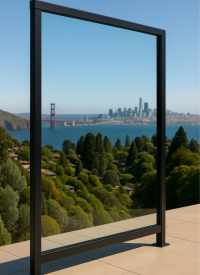
Aluminum Frames
Powder-coated aluminum framing provides lightweight, corrosion-resistant, and economical frame materials for semi-frameless glass railings throughout Bay Area residential and commercial properties. The aluminum construction weighs significantly less than steel alternatives, simplifying installation and reducing structural demands on deck substrates while maintaining adequate strength for railing loads and code requirements. The powder coating process applies a durable finish available in numerous colors, including white, bronze, black, and gray, as well as custom matches, allowing coordination with building trim, window frames, and architectural elements throughout properties. The finish resists chipping, fading, and weathering better than paint while providing good corrosion protection for inland and moderate coastal exposures.
Aluminum frames work particularly well for residential properties throughout Oakland, Berkeley, and San Jose, where coastal salt air remains moderate; multi-family installations requiring a uniform appearance across multiple balconies with manageable material costs; and commercial projects where lightweight materials simplify construction logistics and installation procedures. The color options allow design flexibility, matching existing building palettes, creating contrast statements with bold blacks or bronzes, or selecting neutral whites and grays coordinating with various architectural styles from contemporary to traditional. Standard powder coat finishes provide adequate durability for most Bay Area applications. However, premium coastal-grade coatings offer enhanced protection for properties that experience direct salt-air exposure or challenging environmental conditions that require maximum corrosion resistance.

Stainless Steel Frames
Stainless steel framing delivers premium durability, corrosion resistance, and refined aesthetics for semi-frameless glass railings requiring maximum performance in Bay Area coastal zones and high-end installations. Marine-grade 316 stainless steel specifications include molybdenum, which increases resistance to chloride corrosion from salt air, maintaining structural integrity and appearance for decades without rust, pitting, or surface deterioration that affects lesser materials. Available in brushed or polished finishes, stainless steel provides timeless sophistication, coordinating with contemporary and modern architectural styles while ensuring long-term reliability for waterfront properties from San Francisco to Half Moon Bay. The material withstands coastal fog, salt spray, and moisture exposure without degradation, making it essential for installations within coastal influence zones.
The premium material choice works particularly well for luxury residential properties where material quality aligns with overall construction standards, commercial installations that require maximum durability and minimal maintenance throughout extended service lives, and coastal properties where corrosion resistance is essential for long-term performance and appearance retention. Stainless steel accepts various frame profiles from sleek modern designs to traditional shapes, coordinates with stainless steel cable railings or other architectural metals throughout properties, and provides confident specifications for architects and property owners prioritizing proven performance over economical alternatives. The cost premium over aluminum frames—typically 30-50% higher—proves justified for properties where material longevity, coastal exposure, or quality expectations make stainless steel the appropriate choice for Bay Area installations demanding maximum performance.

Bronze Anodized Frames
Bronze anodized aluminum finishes provide rich, warm metallic tones with subtle variations, creating traditional elegance for semi-frameless glass railings coordinating with specific architectural styles throughout Bay Area properties. The anodizing process produces durable, corrosion-resistant surfaces that maintain color consistency under outdoor exposure, temperature fluctuations, and moisture conditions common to Bay Area installations. Bronze tones complement Mediterranean, Craftsman, Spanish Colonial, and transitional architectural styles common in older Bay Area neighborhoods, where warm metallic finishes coordinate with existing bronze or copper elements, including light fixtures, door hardware, and building trim. The finish works particularly well for properties seeking modern glass transparency while maintaining traditional aesthetic vocabulary that entirely contemporary finishes like matte black or brushed stainless might not support.
Bay Area installations throughout Berkeley, Oakland, and Peninsula communities with established architectural character benefit from bronze finishes that coordinate semi-frameless railings with historical building contexts. These renovation projects match existing metal finishes throughout properties and designs that use warm tones to create visual harmony with wood decking, stone elements, or earth-tone color palettes. The anodized surface provides excellent corrosion resistance in coastal and inland locations, maintains appearance without special maintenance beyond routine cleaning, and delivers long-term color stability superior to that of painted or powder-coated bronze approximations. Ideal for properties where traditional aesthetics meet modern glass transparency, installations requiring warm metallic coordination, and any project where bronze tones enhance overall design cohesion throughout residential or commercial railing systems.

Matte Black Frames
Matte black powder-coated aluminum frames create bold contemporary statements for semi-frameless glass railings, emphasizing modern design aesthetics throughout Bay Area urban properties and design-forward installations. The non-reflective finish provides dramatic contrast against transparent glass panels, defining frame components as intentional design elements rather than minimized necessities, and coordinating with industrial, modern, and minimalist architectural styles increasingly popular in San Francisco, Oakland, and Silicon Valley. Matte black works particularly well with ultra-clear glass, where frame visibility becomes a design feature rather than a compromise; in contemporary homes, where black window frames and building trim create cohesive material palettes; and in installations where bold aesthetics distinguish properties from conventional railing appearances.
The finish hides fingerprints, minor scratches, and everyday wear better than lighter colors or polished surfaces, maintaining appearance with minimal maintenance throughout service life. Powder coating provides excellent corrosion protection and durability for Bay Area outdoor exposures, with quality application processes ensuring long-term adhesion and color retention without fading or chalking affecting appearance over time. Matte black frames complement various decking materials, from light woods to composite products, coordinate with black stainless steel appliances and fixtures common in modern homes, and create a striking visual presence for properties where contemporary design represents the primary aesthetic direction. Increasingly popular for new construction, modern renovations, and properties throughout Bay Area urban centers, where bold, sophisticated aesthetics align with owner preferences and architectural visions.
Glass and frame finish selections work together to create semi-frameless railing systems that balance transparency, structural support, and aesthetic coordination with Bay Area properties. Insight Glass specialists help you choose appropriate combinations considering your coastal exposure, budget parameters, architectural style, and performance requirements. All materials meet California building codes and are explicitly selected for long-term durability in regional climate conditions, ensuring your semi-frameless glass railings maintain appearance and structural integrity throughout their extended service life across residential and commercial installations.
Semi-Frameless Glass Railings That Meet Bay Area Codes

Semi-frameless glass railing installations throughout the Bay Area must comply with California building codes, local jurisdiction requirements, and specialized regulations addressing seismic activity, coastal exposure, and safety standards. The frame components in semi-frameless systems simplify code compliance compared to fully frameless configurations, providing clear structural load paths and redundant support that building officials readily approve. Insight Glass designs all semi-frameless systems to meet or exceed applicable codes while coordinating permit processes and engineering documentation required by Bay Area building departments.
California Height Requirements: Semi-frameless glass railings must be a minimum of 36 inches high for residential installations and 42 inches for commercial installations, measured from the walking surface to the top of glass panels, cap rails, or frame components. These standards apply to decks, balconies, stairs, and rooftop terraces throughout the Bay Area, where fall protection becomes necessary under California Residential Code and Building Code provisions. Frame components, including posts and top rails, clearly define measurement points, making height verification straightforward during permit reviews and final inspections compared to frameless systems, where measurement interpretations may vary by jurisdiction or inspector.
Tempered Glass Standards: California codes mandate tempered safety glass meeting ANSI Z97.1 or CPSC 16 CFR 1201 standards for all semi-frameless railing installations. Semi-frameless systems accommodate both 3/8-inch glass, where frame support reduces structural demands, and 1/2-inch specifications for wider spans or enhanced performance, with engineering calculations verifying adequate strength for specific configurations. Coastal Bay Area jurisdictions may require laminated glass for exterior installations due to its superior wind resistance. However, frame support reduces the frequency of this requirement compared to fully frameless systems that rely entirely on glass structural capacity. All glass panels must display permanent certification labels confirming compliance with safety glazing requirements before passing building inspections.
Load Specifications with Frame Support: Semi-frameless railings must withstand 200-pound concentrated horizontal loads applied at top rails or glass edges without failure, excessive deflection, or permanent deformation. Frame components, including posts, rails, and perimeter frames, provide clear structural load paths, simplifying engineering verification and building official review compared to minimal-hardware approaches. The metal framing distributes loads across multiple connection points, reduces stress concentrations on individual components, and creates redundant support systems that satisfy code requirements with straightforward calculations. Bay Area building departments appreciate semi-frameless structural clarity, often expediting permit approvals compared to fully frameless systems requiring complex engineering justifications for minimal hardware configurations.
Seismic Anchoring Requirements: California earthquake activity demands specialized anchoring allowing controlled movement during seismic events without railing failure or glass breakage. Semi-frameless systems provide multiple anchor points through posts and frame components, distributing seismic forces across numerous connections rather than concentrating loads at limited mounting locations. Proper seismic design includes flexible post-to-substrate connections that accommodate building movement, adequate clearances between glass and rigid frame components, and secure anchoring that safely transfers loads to deck or floor structures. Frame flexibility allows engineered movement during earthquakes while maintaining system integrity, creating practical solutions for Bay Area seismic zones throughout San Francisco, Oakland, Berkeley, and San Jose.
Permit and Engineering Requirements: All Bay Area jurisdictions require building permits for semi-frameless glass railing installations with plan review, engineering documentation, and inspection protocols. However, semi-frameless systems typically offer simpler engineering than fully frameless configurations, thanks to clear structural load paths, redundant support components, and straightforward calculations to verify code compliance. Permit submissions include engineered drawings showing frame configurations, glass specifications, hardware schedules, and sealed load calculations from licensed California structural engineers. Processing timelines and approval procedures generally proceed more smoothly than in frameless systems, since building officials readily understand semi-frameless structural principles without the specialized expertise that minimal hardware approaches sometimes require. Insight Glass handles all permit coordination, engineering documentation, building department communication, and inspection scheduling, ensuring semi-frameless projects achieve efficient approvals while meeting all code requirements throughout Bay Area jurisdictions.
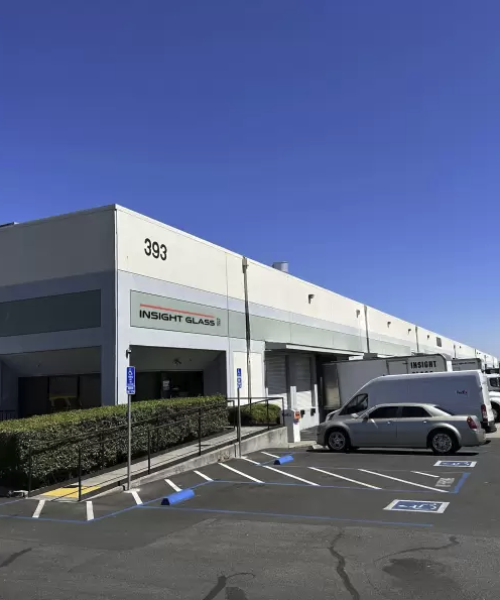
Why Bay Area Property Owners Choose Insight Glass
Selecting the right contractor for glass railing installation ensures your project meets code requirements, delivers quality craftsmanship, and provides lasting value for your Bay Area property. Insight Glass combines decades of regional experience with specialized expertise in glass systems, building codes, and the unique coastal construction challenges of the San Francisco Bay Area. Property owners throughout the region trust us for professional installations that enhance safety, preserve views, and increase property values.
Key Advantages:
- 38 Years Serving Bay Area Since 1987 – Nearly four decades of regional experience installing glass railings across diverse Bay Area properties, architectural styles, and challenging site conditions from coastal properties to urban high-rises.
- Licensed and Insured California Contractor – Fully licensed, bonded, and insured with all credentials current and verifiable, providing liability protection and quality assurance that unlicensed installers cannot offer.
- Custom Fabrication Capabilities – In-house fabrication facilities allow precise customization for non-standard dimensions, unique configurations, and specific design requirements that pre-fabricated systems cannot accommodate.
- Marine-Grade Materials for Coastal Properties – Specialized hardware and corrosion-resistant components explicitly engineered for Bay Area coastal environments, where salt air and fog accelerate deterioration of standard materials.
- Seismic Engineering Expertise – Deep understanding of California earthquake codes and proven anchoring techniques that ensure glass railing systems perform safely during seismic events common throughout the Bay Area.
- Comprehensive Warranty Coverage – Extensive warranty protection covering materials, workmanship, and hardware components with clear terms, responsive service, and local accountability for addressing any issues.
- Free Consultations and Estimates – No-obligation site assessments with transparent pricing, detailed project scoping, and professional recommendations tailored to your specific property and budget considerations.
- Serving the Entire Bay Area – Complete coverage throughout San Francisco, Oakland, Berkeley, San Jose, Peninsula communities, East Bay cities, and surrounding areas with consistent quality and responsive service across all locations.
These combined advantages provide the expertise, accountability, and regional knowledge essential for successful glass railing projects throughout the Bay Area. Contact Insight Glass for free consultations to discuss your specific railing needs, explore design options, and receive detailed estimates for installations that enhance your property while meeting all code requirements and performance expectations.
Professional Glass Railing Installation Process
Installing glass railing systems requires precision engineering, specialized tools, and professional expertise to ensure safety, code compliance, and lasting performance. The installation process involves multiple phases from initial consultation through final inspection, with each step designed to deliver railing systems that meet your aesthetic vision while providing reliable protection for decades. Insight Glass follows a proven methodology refined through 38 years of Bay Area installations, ensuring every project receives the careful planning and skilled execution that complex glass railing systems demand.

Free Consultation & Site Assessment
Our installation process begins with comprehensive on-site consultations, during which specialists evaluate your property conditions, discuss design preferences, and identify structural considerations affecting railing installation. During this assessment, we measure existing surfaces, evaluate mounting options, photograph site conditions, and discuss your vision for preserving views while meeting safety requirements. We examine substrate materials, assess wind exposure for coastal properties, review architectural styles to recommend appropriate systems, and identify permit requirements for your specific Bay Area jurisdiction. This consultation provides accurate project scoping, transparent cost estimates, and clear timelines without obligation, giving you the information needed to make informed decisions about your glass railing investment.

Custom Design & Engineering
Once you approve the project scope, our design team creates detailed CAD drawings that show the exact railing configurations, glass panel dimensions, hardware placements, and mounting specifications tailored to your property. Licensed engineers perform structural load calculations, verifying that proposed systems withstand the required 200-pound loads, seismic forces, and wind pressures specific to your location. We prepare engineering documents for building department submissions, verify code compliance for your jurisdiction, and coordinate design details with your preferences for glass type and hardware finishes. This engineering phase ensures that building officials approve permit applications, that installations meet California seismic requirements, and that your railing system delivers both safety and the aesthetic impact you envision for your Bay Area property.

Fabrication & Quality Control
Our fabrication process includes precision glass cutting to exact specifications, edge polishing for safety and appearance, and any required drilling for standoff or spigot mounting systems. We select hardware components that match your chosen finishes, verify that all materials meet code requirements for safety glazing and corrosion resistance, and conduct pre-installation quality inspections to confirm accurate dimensions and proper components. Each glass panel receives safety certification labels, the hardware undergoes corrosion-resistance verification for Bay Area coastal conditions, and all materials are carefully packaged for safe transport to your property. Quality control at this stage prevents installation delays, ensures code compliance, and guarantees that materials arriving on-site meet the specifications approved during design and engineering phases.

Professional Installation
Licensed installation crews arrive with specialized equipment, safety gear, and materials ready for secure mounting and precise alignment of your glass railing system. The installation process includes proper surface preparation, accurate layout using engineering drawings, secure anchoring to structural substrates, and careful glass panel positioning that maintains level alignment and adequate spacing. We implement seismic anchoring techniques required for California earthquake zones, apply appropriate waterproofing at all penetrations and connections, and verify structural integrity throughout installation. Our crews protect surrounding surfaces, maintain clean work areas, and complete installations efficiently while meeting all safety protocols. Professional installation ensures railings perform as engineered, pass building inspections, and deliver the view preservation and modern aesthetics that motivated your investment.

Final Inspection & Warranty
Before concluding each project, we conduct thorough quality inspections to verify structural integrity, visual alignment, proper hardware function, and glass clarity, free of defects or damage. We coordinate required building department inspections, address any inspector comments or adjustments, and obtain final approval documentation for your records. Our team thoroughly cleans all glass surfaces, removes installation debris, and provides detailed care instructions for maintaining your railing system’s appearance and performance. We document warranty coverage, including materials, workmanship, and hardware components, explain maintenance requirements for long-term durability, and establish customer service contacts for any future questions or concerns. This final phase ensures you understand your warranty protection, know how to care for your investment, and have confidence in the quality and compliance of your completed glass railing system.
This comprehensive installation process ensures glass railing systems that meet Bay Area building codes, withstand regional climate conditions, and deliver the safety and visual impact you expect from premium railing investments. Insight Glass manages every phase from initial consultation through final inspection, providing single-source accountability and professional expertise across design, engineering, fabrication, and installation. Our proven methodology eliminates coordination issues, prevents costly corrections, and delivers completed projects that enhance your property while providing decades of reliable performance.
Frequently Asked Questions About
Semi-Frameless Glass Railings
Considering semi-frameless glass railings for your Bay Area property? We understand you have questions about costs, frame visibility, performance differences from frameless systems, and installation requirements. At Insight Glass, we’ve designed and installed semi-frameless glass railings throughout the Bay Area since 1987, specializing in balanced systems that combine glass transparency with practical metal support at mid-range pricing. Below, we’ve answered the most common questions to help you determine if semi-frameless configurations offer the optimal combination of style, support, and value for your deck, balcony, or commercial railing project.
Semi-frameless glass railing installations typically cost between $125 and $250 per linear foot, depending on the frame configuration, glass specifications (3/8″ vs. 1/2″, tempered vs. laminated), frame finishes, and project complexity. This pricing positions semi-frameless systems between premium frameless railings ($200-400 per linear foot) and basic fully framed options ($100-175 per linear foot), providing mid-range access to contemporary glass aesthetics. Bay Area costs reflect regional labor rates, permit fees, and engineering requirements for seismic compliance, though semi-frameless systems typically require less complex engineering than fully frameless configurations. Perimeter frame systems and post-and-panel configurations with standard clear tempered glass fall within the lower price range. In contrast, minimally framed designs with ultra-clear laminated glass and premium stainless steel finishes cost more.
Semi-frameless glass railings combine glass panels with strategic metal framing, providing structural support at posts, edges, or perimeters. At the same time, frameless systems use only thick glass (1/2″) with minimal mounting hardware creating floating glass appearance. Semi-frameless designs cost $125-250 per linear foot compared to $200-400 for frameless, accommodate thinner 3/8″ glass in frame-supported configurations, and provide enhanced structural stability for challenging installations including high winds, commercial properties, or older deck structures. Frameless systems maximize transparency by eliminating all visible frames, delivering premium aesthetics justifying higher costs and complex engineering. In contrast, semi-frameless options balance modern glass transparency with practical metal support at accessible pricing. The choice depends on whether maximizing unobstructed views justifies frameless premium investment versus accepting minimal frame visibility for semi-frameless cost savings and structural advantages.
Semi-frameless glass railings use either 3/8-inch or 1/2-inch tempered safety glass, depending on frame configuration, span requirements, and performance specifications. Frame support enables thinner 3/8-inch glass for post-and-panel systems with posts at 4-6 foot intervals, perimeter frame configurations that distribute loads along continuous edges, and residential installations that prioritize economical material costs while maintaining code-compliant safety characteristics. Half-inch glass specifications suit designs minimizing visible frames, commercial properties requiring maximum durability, wider spans between frame components, or installations approaching frameless aesthetics while retaining strategic metal support. Bay Area engineering calculations verify the appropriate thickness for specific configurations, considering wind loads, post spacing, frame types, and California building code requirements, with licensed engineers recommending optimal specifications that balance structural adequacy, cost efficiency, and aesthetic preferences.
Yes, semi-frameless glass railings perform excellently in coastal areas of the Bay Area when specified with appropriate materials, including marine-grade stainless steel frames or powder-coated aluminum with enhanced corrosion protection. The frame components provide structural support resisting persistent coastal winds while reducing reliance on minimal hardware that fully frameless systems employ, making semi-frameless configurations practical for wind-exposed waterfront properties from Pacifica to Half Moon Bay. Frame support allows standard tempered glass in many coastal installations, where fully frameless systems would require expensive laminated glass to achieve equivalent wind resistance, creating cost efficiencies while maintaining contemporary glass transparency. Metal frames in corrosion-resistant finishes withstand salt air, fog, and moisture exposure affecting Bay Area coastal zones, providing long-term durability without rust or deterioration that would compromise appearance or structural integrity.
Semi-frameless railings maintain substantial view transparency while accepting minimal frame visibility at posts, edges, or perimeters where metal components provide structural support. Glass panels occupy the majority of railing area—typically 75-90% depending on configuration—preserving important Bay Area views of ocean, bay, hills, and city skylines without extensive blockage that traditional solid railings would create. Frame components typically measure 1-3 inches wide at posts or edges, creating subtle visual elements rather than significant obstructions, with strategic placement minimizing impact on primary sight lines. The transparency substantially exceeds traditional wood or metal railings while accepting practical trade-offs compared to fully frameless systems, eliminating all visible frames, making semi-frameless options suitable for properties where good view preservation matters, though maximum unobstructed transparency remains secondary to cost efficiency and structural practicality.
Frame visibility in semi-frameless systems varies by configuration type, ranging from minimal posts every 4-6 feet in post-and-panel designs to continuous perimeter frames around all glass edges. Post-and-panel configurations feature vertical posts (typically 2-4 inches wide) at intervals, with optional cap rails along the tops, creating intermittent frame presence totaling 10-25% of the overall railing area. Perimeter frame systems display 1-2-inch-wide frames continuously surrounding glass panels, though the glass centers remain completely transparent. Top and bottom rail configurations eliminate vertical posts while showing horizontal frame members along upper and lower edges, creating clean vertical sight lines. Corner post systems concentrate frames at structural points while minimizing visibility along straight runs, optimizing balance between support and transparency. Frame presence remains significantly lower than traditional fully framed railings, while exceeding the near-invisibility of fully frameless systems.
Yes, semi-frameless railings accommodate 3/8-inch tempered glass in frame-supported configurations, where metal posts, rails, or perimeters reduce the structural demands on glass panels compared to fully frameless systems, which require robust 1/2-inch thickness. The frame components carry significant loads and provide intermediate support, allowing thinner glass that reduces material costs, panel weight, and overall system pricing while maintaining code-compliant safety characteristics and adequate structural performance. This thickness advantage creates meaningful cost savings for budget-conscious Bay Area residential projects, multi-family properties installing railings across numerous balconies, and larger deck installations where cumulative glass costs significantly impact project budgets. However, semi-frameless systems can also use 1/2-inch glass when designs minimize frame visibility, installations require enhanced durability, or specifications approach frameless aesthetics while retaining strategic metal support at key structural points.
Yes, semi-frameless glass railings generally install more easily than fully frameless systems due to simplified engineering, straightforward mounting procedures, and reduced precision demands. Frame components provide clear attachment points for various substrate types, distribute loads across multiple connections, reducing stress on individual mounting locations, and create forgiving installations accommodating minor substrate variations that minimal frameless hardware cannot tolerate. The systems require less specialized expertise, shorter installation timelines, and simpler coordination than frameless configurations, which demand precision mounting, complex engineering verification, and experienced installers familiar with minimal-hardware approaches. Bay Area contractors comfortable with standard railing installations can typically handle semi-frameless projects successfully. In contrast, fully frameless systems often require specialized glass railing contractors with specific experience, making semi-frameless options more accessible to contractors with diverse capabilities throughout the region.
Semi-frameless glass railing maintenance requires periodic cleaning of both glass panels and metal frame components using appropriate products for each material. Clean glass surfaces every 2-4 weeks for coastal properties and monthly for inland Bay Area locations using standard glass cleaner and soft microfiber cloths, preventing mineral deposits and salt residue from building up. Frame components require separate attention: use mild soap solutions for powder-coated aluminum or stainless steel cleaners for metal frames to remove accumulated dirt, salt, and environmental residue that affect appearance. Rinse frames quarterly with fresh water in coastal zones to remove salt accumulation; inspect frame-to-glass connections annually for proper gasket condition and secure mounting; and verify hardware tightness to maintain structural integrity. This routine maintenance—slightly more involved than frameless glass-only cleaning but less demanding than traditional wood railing upkeep—keeps semi-frameless systems looking pristine throughout their service life.
Yes, semi-frameless glass railing installations throughout the Bay Area require building permits with plan review, engineering documentation, and inspections before final approval. San Francisco, Oakland, Berkeley, San Jose, and other Bay Area jurisdictions enforce permit requirements for all railing work affecting structural safety and building code compliance, with semi-frameless systems subject to the exact procedural requirements as other railing types. However, permit processing often proceeds more smoothly for semi-frameless systems than for fully frameless configurations, since building officials readily understand frame-based structural principles without specialized expertise that minimal hardware approaches sometimes require. Permit submissions include engineered drawings showing frame configurations, glass specifications, and sealed calculations from licensed California structural engineers. Insight Glass handles all permit coordination, engineering documentation, building department communication, and inspection scheduling, ensuring your semi-frameless glass railing project achieves efficient approvals while meeting all code requirements throughout Bay Area jurisdictions.
Have more questions about semi-frameless glass railings? Contact Insight Glass at 707-746-6571 to schedule your free consultation and discover how semi-frameless glass railing systems can enhance your Bay Area property with balanced transparency, structural support, and mid-range pricing that makes contemporary glass aesthetics accessible.
Hear from Our Satisfied Clients
At Insight Glass, we take immense pride in delivering exceptional replacement window services across the San Francisco Bay Area. Our commitment to quality craftsmanship and unparalleled customer service has garnered heartfelt testimonials from homeowners and businesses alike.


Explore Other Glass Railing Systems
Looking for different glass railing options? Insight Glass offers a complete range of railing systems to match your property layout, structural conditions, design preferences, and budget. From semi-frameless configurations to post-supported designs, each system delivers unique advantages for Bay Area decks, balconies, stairs, and pool enclosures.


Post-Supported Glass Railings

Traditional elegance with glass panels between sturdy posts
Base Shoe Glass Railings

Clean lines with channel-mounted systems for decks and balconies
Standoff & Spigot Glass Railings

Floating glass appearance with minimal visible hardware mounting
Glass Pool Fences/Enclosures

Safety barriers with clear visibility for supervision, code-compliant
View our complete glass railings guide → to compare all system types, mounting methods, glass options, and hardware finishes. Find the perfect railing solution that balances view preservation, structural requirements, and budget for your Bay Area property.
Your Trusted Partner for
Professional Glass Railing Installation
At Insight Glass, we’re dedicated to enhancing properties throughout the San Francisco Bay Area with superior glass railing systems for decks, balconies, stairs, and pool enclosures. Our commitment to quality craftsmanship and customer satisfaction ensures your glass railing installation experience is seamless and rewarding.
Expert Consultations: Our knowledgeable team offers personalized assessments to recommend the best railing system types, glass options, and hardware finishes tailored to your property’s specific layout, architectural style, and view preservation goals.
Fast Turnaround Times: We understand the importance of timely service and strive to complete custom fabrication and installation projects efficiently without compromising quality or attention to detail.
Flexible Scheduling: To accommodate your busy lifestyle, we offer flexible appointment times for consultations and installations that suit your schedule and minimize disruption to your daily routine.
Get Started Today!
Ready to enhance your property with beautiful, functional glass railings? Contact Insight Glass at 707-746-6571 to schedule your free consultation and receive a no-obligation quote. Our team is eager to assist you in selecting the perfect railing system that combines safety, aesthetics, and lasting value.
Please Contact Us for a Free Consultation
Mon-Fri: 8 AM – 4 PM